- Stone Center
- Blog
What Is a Bullnose Edge? The Complete Guide for Stone Projects.
30/12/2025
12/29/2025
What Is a Bullnose Edge? The Complete Guide for Stone Projects.
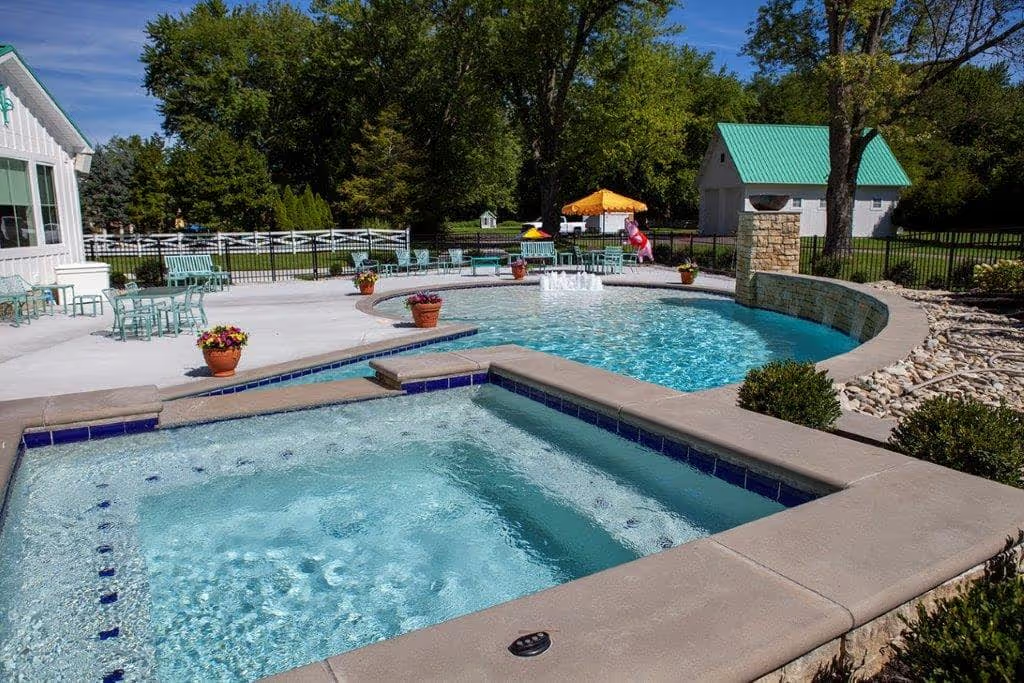
If you're considering adding natural stone to your home or business, you may have heard of the term "bullnose edge." But what exactly is a bullnose edge, and why is it important in stone design? A bullnose edge is a type of edge treatment for natural stone that creates a smooth, rounded finish.
As a premier natural stone supplier located in Columbus and Cincinnati, we offer a wide variety of bullnose edge options for our customers. Whether you're planning a new pool deck or patio edge, understanding bullnose edges helps you make optimal decisions for your project.
What Is a Bullnose Edge? Key Characteristics.
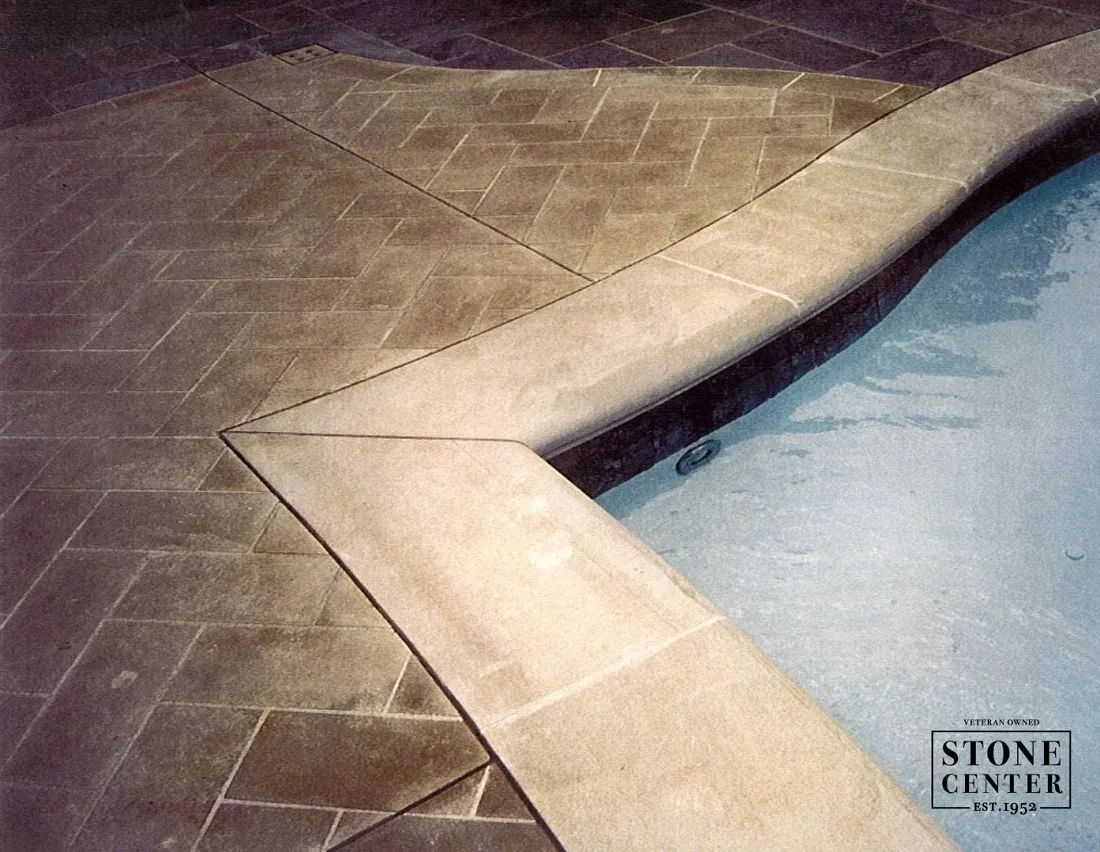
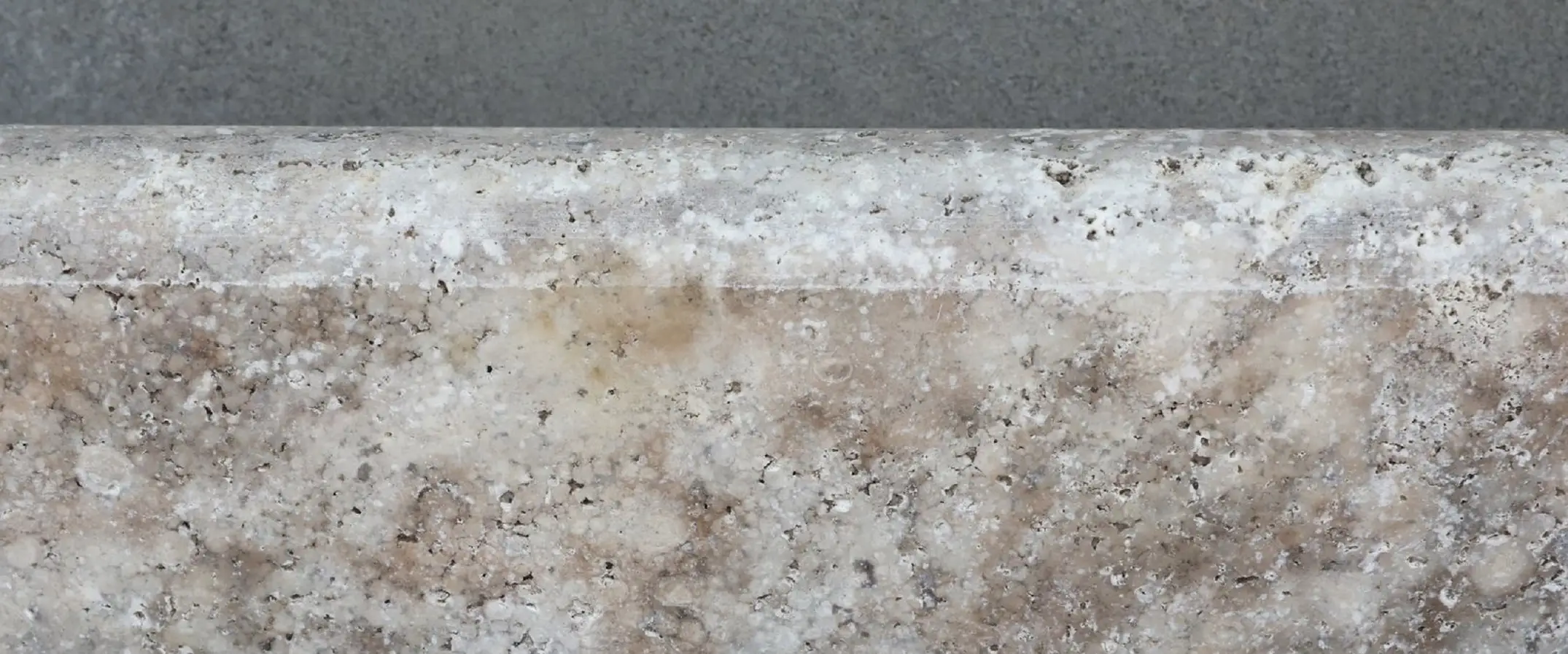
A bullnose edge is a rounded edge treatment for natural stone that creates a smooth, curved transition from the countertop surface to the edge. It removes sharp corners, adds a softer, premium look, and gets its name from the gently rounded “nose” similar to that of a bull or cow. Bullnose edges are widely used in pool coping, bathroom countertops, and landscaping applications where safety and aesthetic appeal are priorities.
Key characteristics of the bullnose edge include:
- Rounded profile: Creates a comfortable surface for leaning or gripping.
- Smooth edge: Reduces sharp corners that can catch clothing or cause injuries.
- Semi-circular shape: Provides visual appeal while enhancing safety.
Pros and Cons of Bullnose Edges
Understanding the advantages and limitations of bullnose edges helps you determine if this edge profile is ideal for your project needs. While bullnose edges offer numerous benefits for safety and aesthetics, they also have some considerations worth noting.
#spoilers_start
Advantages of Bullnose Edges
- Enhanced safety: Eliminates sharp corners, reducing injury risks in high-traffic areas.
- Comfortable surface: Smooth edge is pleasant for leaning, sitting, or gripping.
- Visual appeal: Adds a modern touch while maintaining timeless elegance.
- Durability: Curved shape helps prevent chips and cracks from impacts.
- Versatile applications: Works on pool decks, countertops, stair treads, and walls.
- Easy maintenance: Smooth, rounded surface simplifies cleaning.
- Customization options: Available in limestone, travertine, and bluestone with various finishes.
Disadvantages of Bullnose Edges
- Mainstream popularity: Common appearance means less uniqueness.
- Contemporary limitations: Some modern designs prefer straight lines.
- Grime accumulation: The Curved bottom can trap dust and food crumbs.
- Higher costs: Premium profiles like double bullnose cost more.
- Design compatibility: Not ideal for ultra-modern or industrial styles.
#spoilers_end
Types of Bullnose Edge
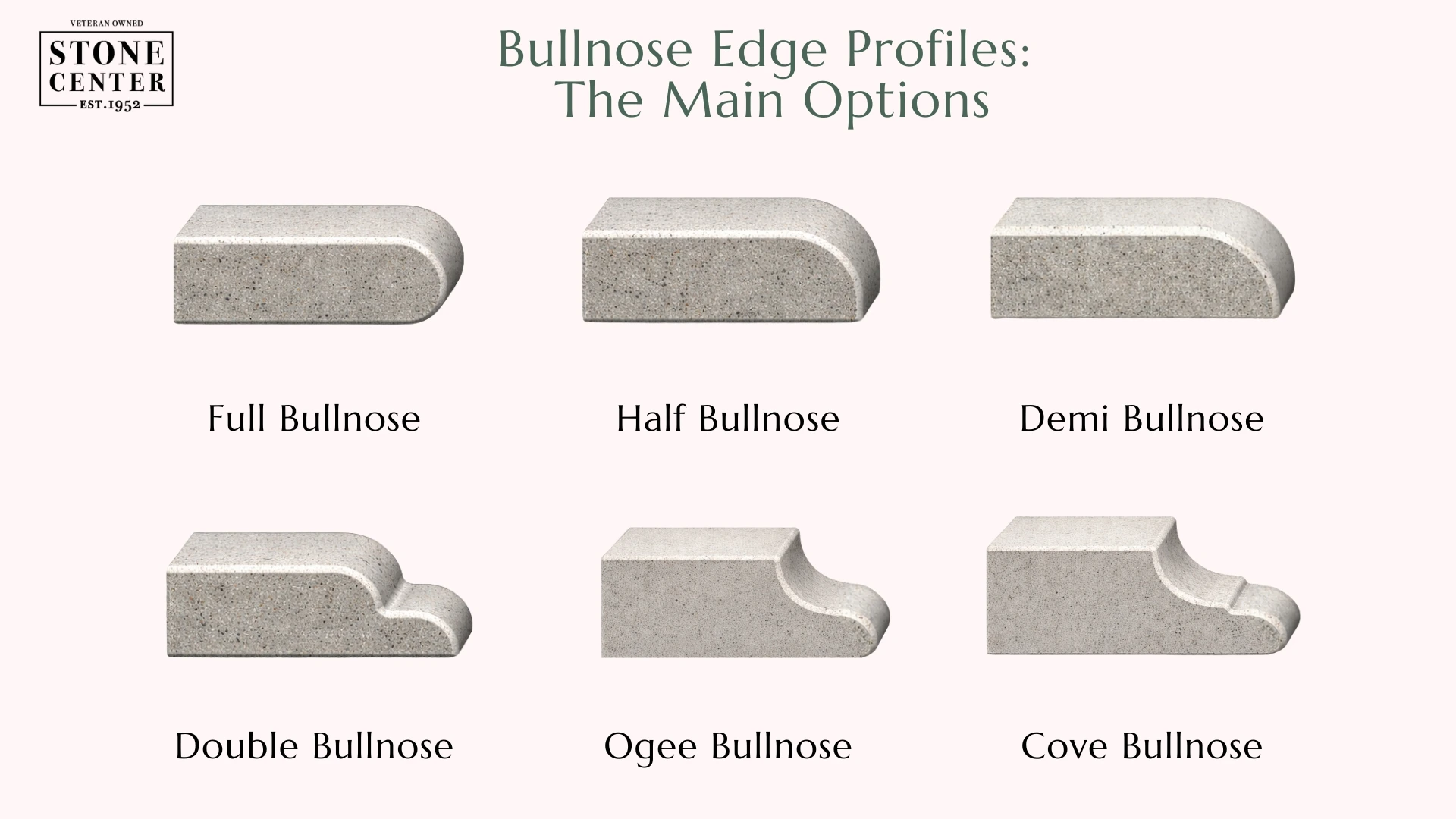
There are several types of bullnose edges that you can consider for your natural stone design project. Each edge style creates a different look and has unique benefits.
Full Bullnose Edge
The full bullnose edges feature a complete, rounded edge that creates a smooth and seamless finish. This type features a fully rounded profile from the rounded top to the curved bottom, creating two rounded bullnose edges meeting in a continuous curve. It's often used on countertop edges and tables, as well as stair treads and other applications where sharp edges may be dangerous.
Half Bullnose Edge
A half bullnose has a rounded top and a flat bottom, which provides a clean and modern look. This bullnose edge features a curved edge on the upper surface while maintaining a straight edge at the bottom edge. It's a popular choice for backsplashes, wall caps, and paving projects where a modern touch meets traditional functionality.
Demi Bullnose Edge
The demi bullnose edge is a subtler version of the half bullnose with a more gradual curve. This type of edge is ideal for creating a soft and gentle look on countertop edges and tiles. The demi bullnose has a rounded shape that extends slightly further back on the flat surface compared to other rounded edges, creating a premium edge that’s sophisticated and visually appealing.
Double Bullnose Edge
As the name suggests, the double bullnose edge stacks two rounded bullnose curves to create a smooth, flowing profile. With a fully rounded top and bottom that meet at the center, it offers an elegant look and helps direct water away from surfaces. It’s especially popular for pool coping and other outdoor uses thanks to its comfortable, rounded feel.
Ogee Bullnose Edge
The ogee edge has a more decorative look, with a concave top and a convex bottom. This ornate edge profile combines curves similar to an S-shape, creating ogee edges ideal for formal, traditional interiors. While technically not a bullnose, ogee edges share the curved design philosophy. Many of our clients use it for fireplace surrounds and other decorative elements.
Cove Bullnose
The cove bullnose combines the concave cove edge with the convex bullnose to create a distinctive laminate edge profile. This premium edge features a cove Dupont-style curve flowing into a rounded bullnose, making it ideal for kitchen islands and statement pieces where the edge becomes a design focal point.
Applications of Bullnose Edges
You might be wondering how bullnose tile is used; it's a versatile and practical option for adding a finishing touch to your tiling project. Here are some popular applications of bullnose tiles:
#gallery_start
#gallery_end
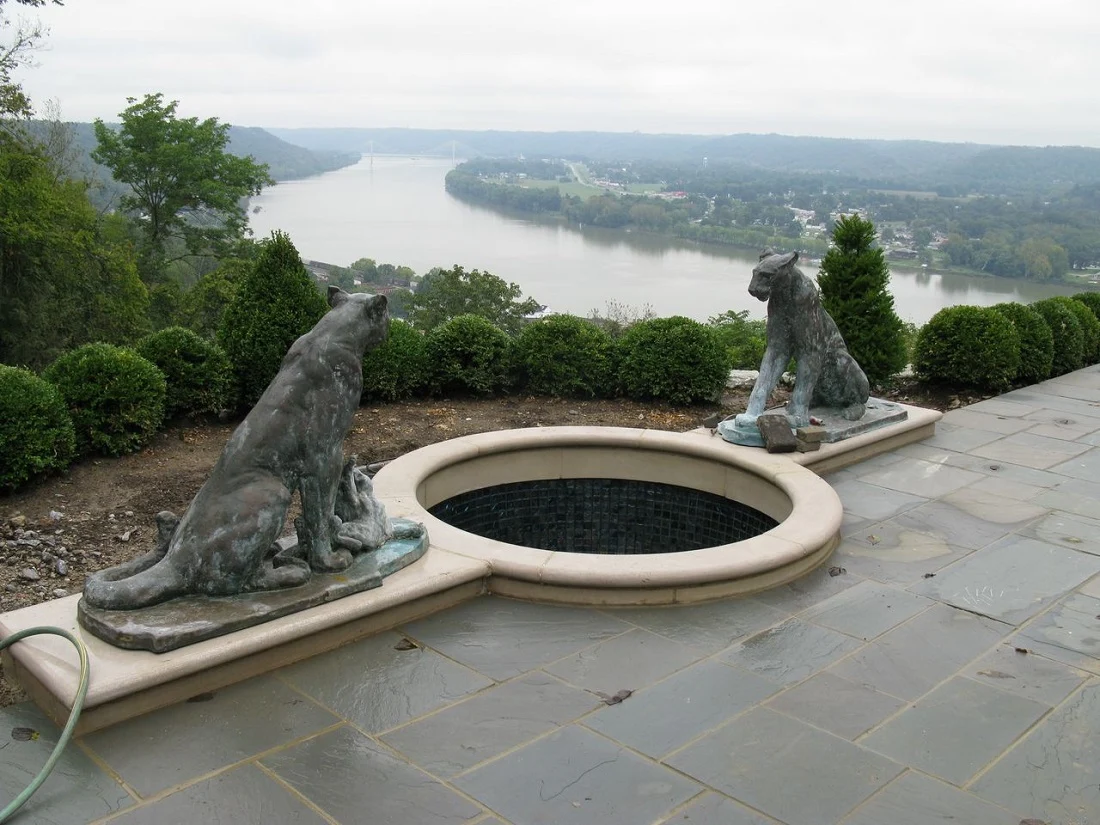
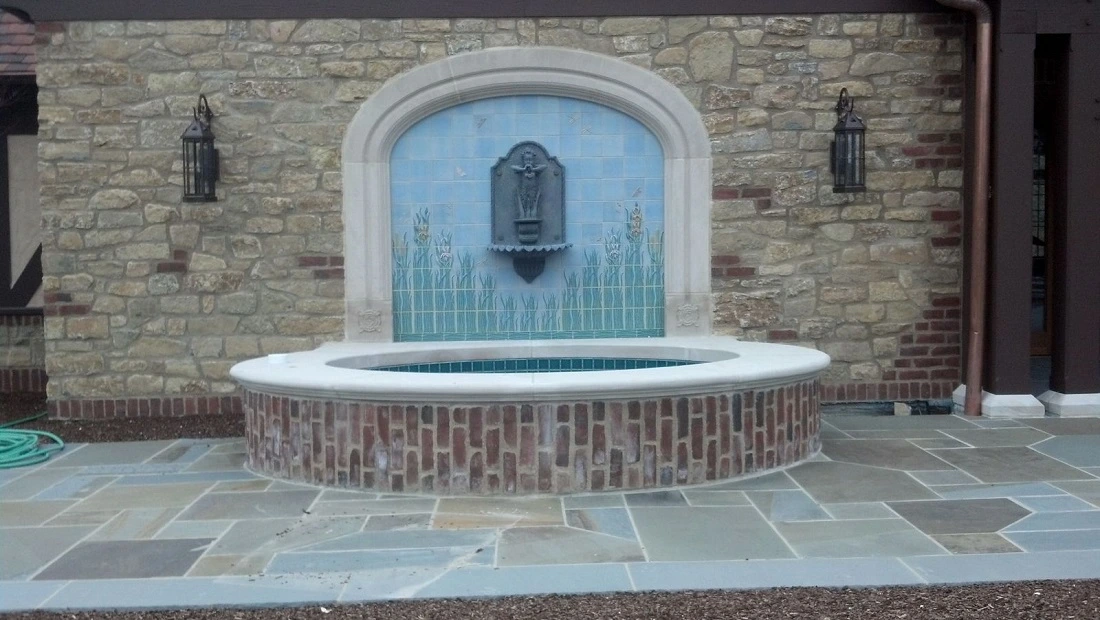
- Pool coping and spa applications: The rounded top edge provides a comfortable grip for swimmers while directing water away from the pool deck. Popular materials include travertine, limestone, and bluestone, all of which offer heat-reflective surfaces and slip resistance for pool environments.
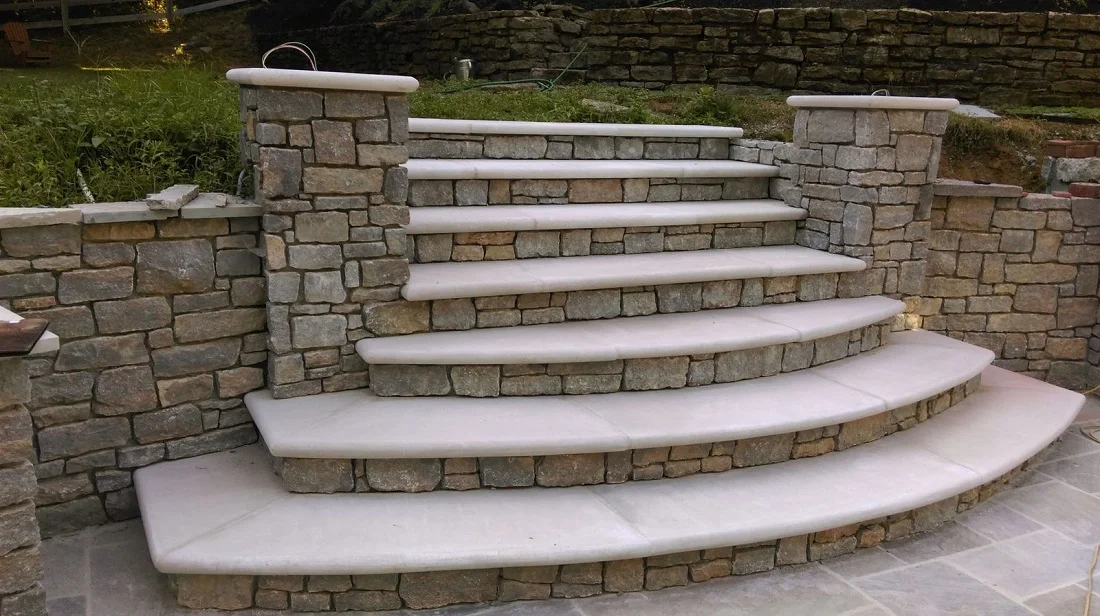
- Stair treads and steps: The rounded nose on each tread provides sure footing while preventing ice buildup during winter. Stone steps featuring bullnose edges combine functionality with visual appeal for both residential and commercial properties.
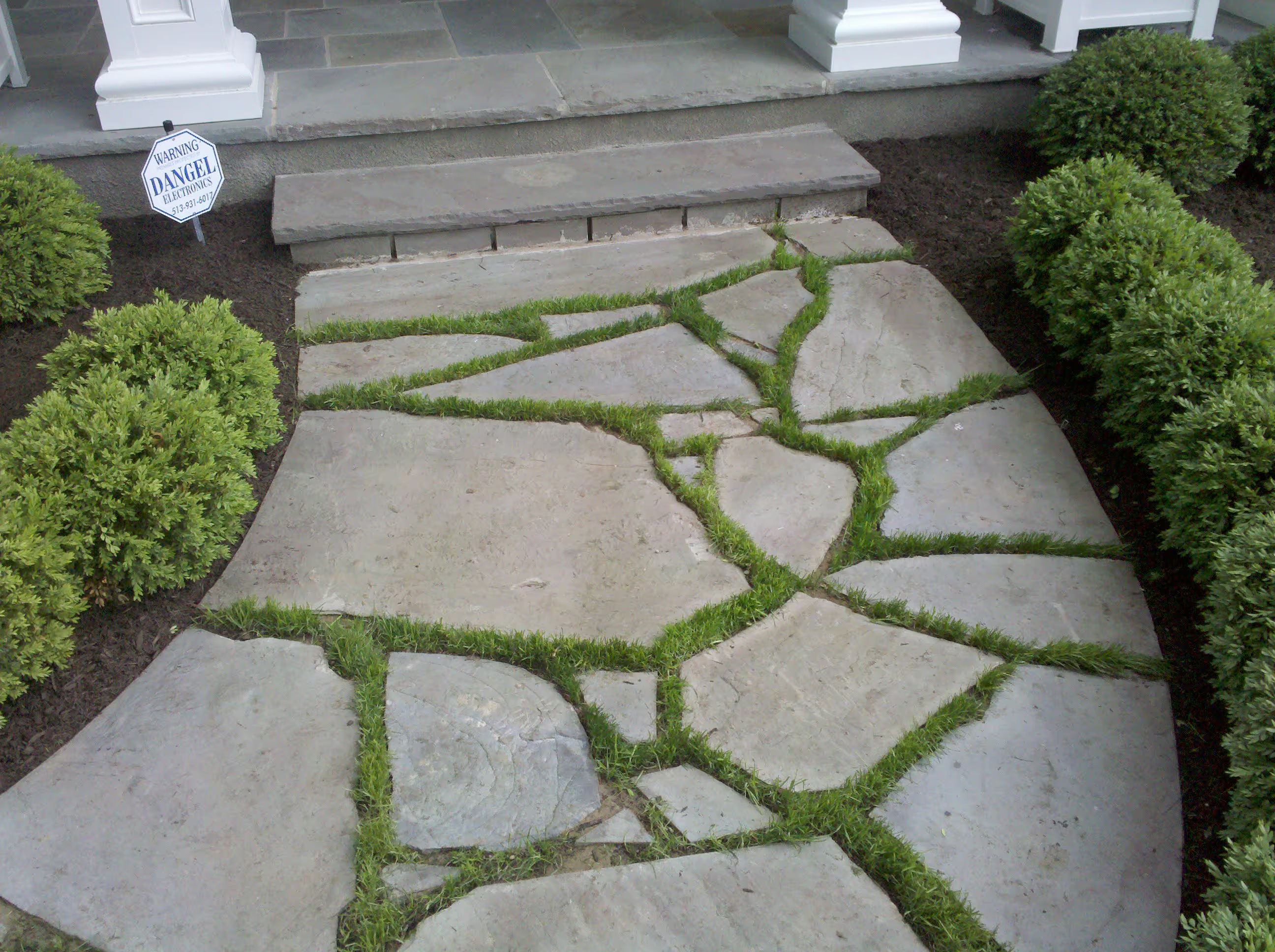
- Patio edges and walkways: Flagstone patios and walkways often incorporate bullnose edges where stone meets grass or other surfaces. The rounded finish protects bare feet while creating polished perimeter edges.
- Countertops and interior surfaces: The smooth edge works with stone countertops made from granite, quartz, and limestone. Many builders and architects specify bullnose profiles for residential and commercial interior applications.
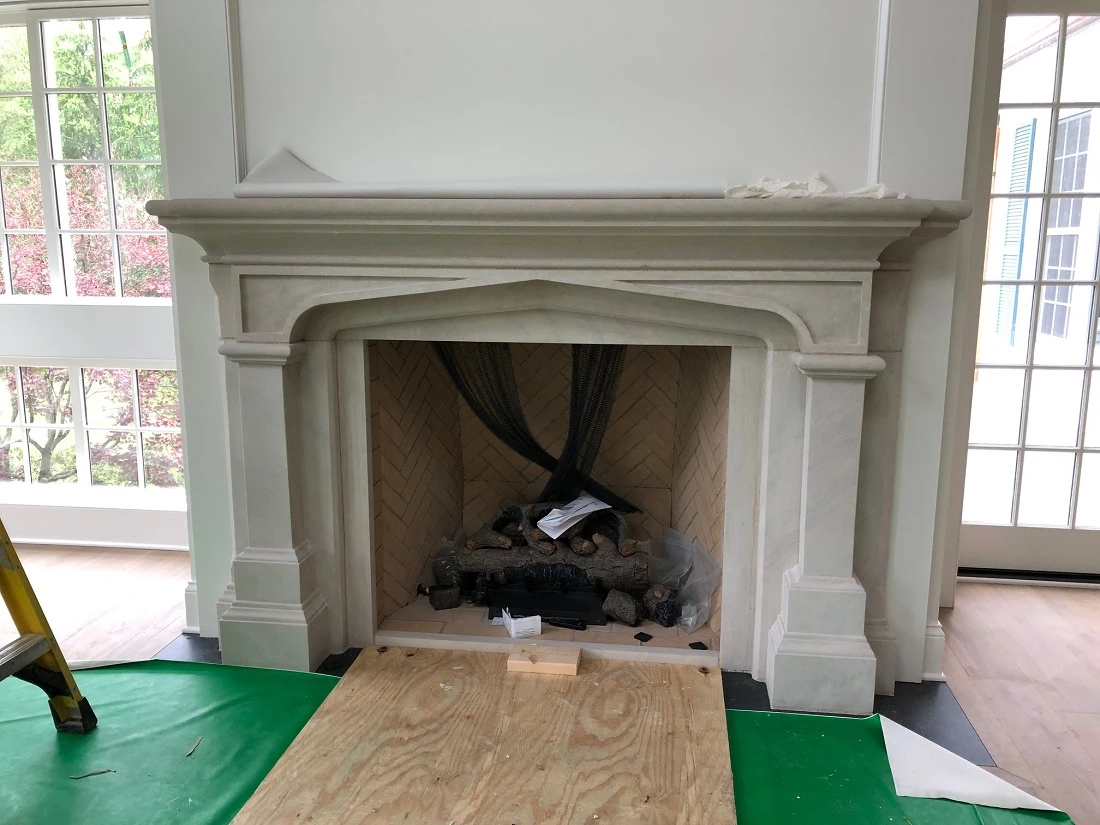
- Fireplace Surrounds: The rounded edges on fireplace hearths and mantels prevent injuries while adding warmth to interior design. Limestone and sandstone fireplace surrounds often use bullnose edges for traditional or transitional aesthetics.
- Bullnose walls: Adding bullnose tiles to the edges of a wall can create a seamless and polished look. This is especially useful in bathrooms and kitchens where tiled walls are common. The tiles can be used to finish off the edges of bullnose tile shower walls or backsplashes, giving the space a clean and professional look.
Bullnose Edge vs. Other Edge Profiles
Bullnose edges are ideal to use in many scenarios, but understanding more details can help you select the best option for your stone project. Each edge style offers unique characteristics ideal for different applications and design preferences.
The bullnose provides superior safety and comfort compared to beveled edges or square edges. While ogee edges are more decorative, bullnose edges deliver practical functionality. For outdoor applications like pool coping or paving, bullnose edges consistently outperform other edge profiles.
Maintenance and Care for Bullnose Edges
Proper maintenance extends the life and appearance of bullnose edges across all applications. Regular care prevents damage while preserving the smooth, rounded profile that makes bullnose edges desirable.
- Regular cleaning: Clean bullnose edges with pH-neutral stone cleaners and soft cloths. Pay attention to the curved bottom where food crumbs and debris accumulate.
- Sealing: Apply appropriate sealers to protect natural stone from moisture and stains. Reapply annually for outdoor installations, especially pool coping exposed to chemicals and weather.
- Damage prevention: Avoid placing heavy objects on edge profiles. Use cutting boards on countertops rather than cutting directly on stone surfaces with bullnose edges.
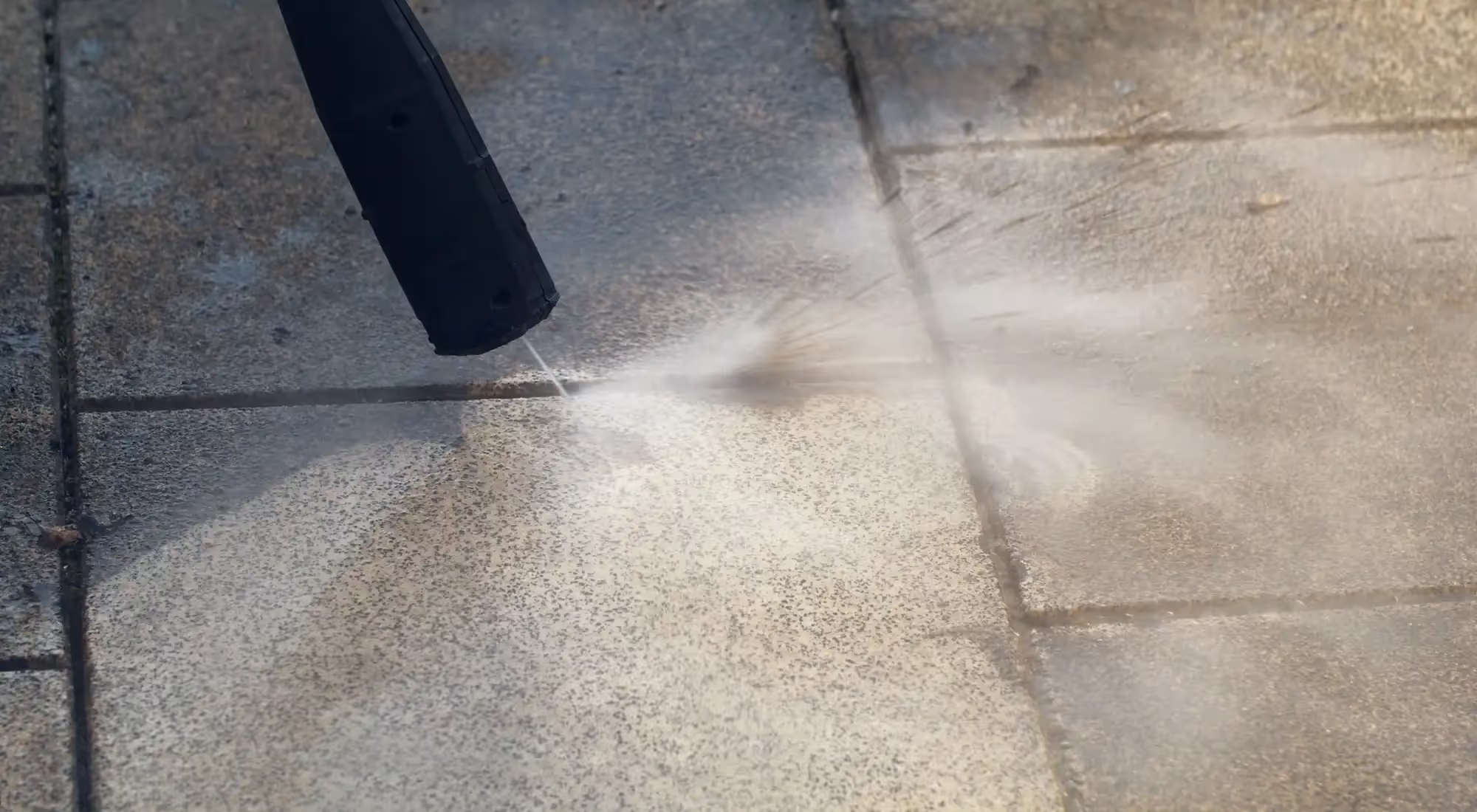
- Professional restoration: Address chips or scratches promptly through professional restoration. Stone fabricators can re-polish or refinish damaged edges to restore the original appearance.
With the right care, bullnose edges maintain their aesthetic appeal and functional benefits for decades. The rounded design naturally resists damage better than sharp corners, making maintenance straightforward for homeowners and property managers.
Elevate Your Project with the Right Bullnose Edge from Stone Center
Bullnose edges remain the preferred choice for natural stone applications requiring both safety and sophisticated aesthetic appeal. From pool coping to stair treads, the rounded profile delivers comfort, durability, and timeless visual interest that works across traditional and contemporary design schemes.
Ready to incorporate bullnose edges into your next stone project, but unsure where to start? Stone Center can help you select the right edge profile, material, and finish for your specific application. With precision fabrication services and competitive pricing, we help contractors and homeowners throughout Ohio create stunning, safe, and long-lasting stone installations. Contact our team today to get a quote!
FAQ


.avif)
Jon, the owner of Stone Center, is a knowledgeable expert in natural stone products, specializing in various types of stone for landscaping and architectural projects. Passionate about promoting the beauty and versatility of natural stone, Jon aims to use these blogs to inspire readers with creative ideas to upgrade their homes.


.avif)
.avif)
.avif)
.avif)
%20(1).avif)
.avif)
How much does it cost to get a stone restored?
How much you end up spending to restore stone varies on the type of stone, the technique, and the stone’s current condition. Stone in good condition will cost less to restore, whereas stone that has a lot of wear and tear may require a longer restoration.