- Stone Center
- Blog
Gravel vs. Crushed Rock: The Complete Material Comparison Guide
9/1/2026
1/9/2026
Gravel vs. Crushed Rock: The Complete Material Comparison Guide
Choosing between crushed stone and gravel affects everything from your project's structural integrity to its final appearance. While both are construction materials and landscaping aggregates, their formation processes, stability characteristics, and ideal applications differ substantially.
Understanding these distinctions helps contractors and homeowners select the right material for optimal performance, cost-effectiveness, and visual appeal in driveways, drainage systems, garden paths, and construction projects throughout Ohio. Our team at Stone Centers is here to help guide your decision.
What Is Gravel?
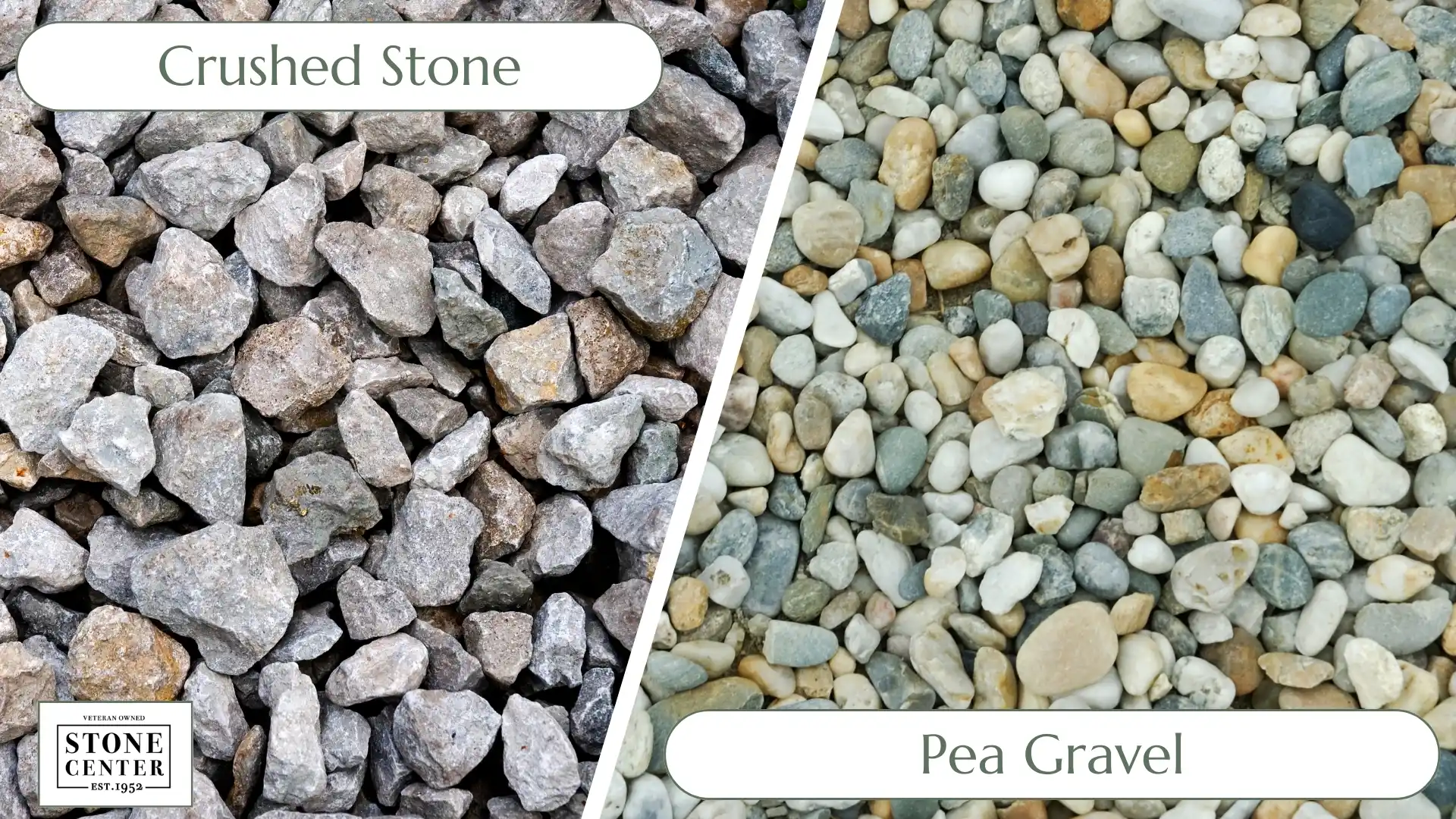
Gravel forms naturally through weathering and erosion over thousands of years in riverbeds, streams, and natural deposits. Water action gradually smooths the stones into their characteristic rounded shape with smooth surfaces. This naturally occurring material differs fundamentally from mechanically processed aggregates in both appearance and performance.
The naturally rounded edges and polished appearance make gravel popular for decorative landscaping, garden paths, and flower beds where natural aesthetic is more important than maximum compaction. While gravel provides good drainage and attractive surfaces, the smooth texture limits its interlocking ability compared to crushed stone.
What Is Crushed Stone?
As the name suggests, crushed stone comes from mechanically breaking down large rocks through industrial crushing equipment at quarries. The process creates angular, jagged edges and a mix of stone sizes, including stone dust and larger stone chunks. Common types include crushed limestone, crushed granite, and trap rock, each offering unique colors and hardness levels based on the parent rock.
Crushed stone’s angular shapes and rough texture allow it to interlock when compacted, creating a stable surface that resists shifting under heavy loads. This combination of varied sizes and sharp edges makes crushed stone ideal for applications that require a strong foundation and firm surface.
Crushed Stone vs. Gravel: Key Physical and Performance Differences
Both materials can support construction and landscaping needs, but their physical properties create distinct performance characteristics. We’ve outlined the table below that highlights the main differences that influence material selection for specific applications.
Formation and Processing
The fundamental distinction starts with each material’s origin. Mechanically crushed stone undergoes controlled processing that breaks parent rock into specific size ranges, producing the angular shapes and rough texture that characterize the material.
Natural processes create gravel through gradual weathering in rivers and streams, where water action smooths stones into rounded forms without human intervention. This processing difference affects everything from material availability to final performance in various applications.
Shape and Texture Comparison
Angular crushed stones feature jagged edges that catch and hold against neighboring pieces when compressed, creating mechanical interlocking that resists movement. The rough texture’s friction points maintain stability under stress.
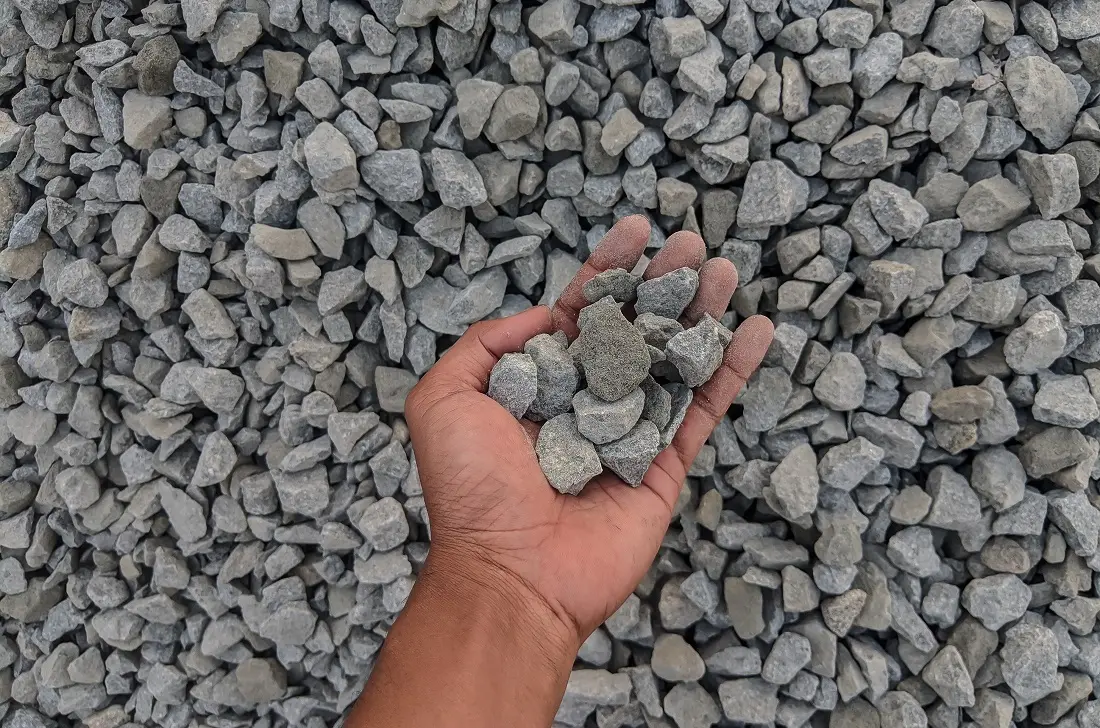
Rounded gravel stones with smooth surfaces offer limited interlocking potential, since their shape allows them to roll and shift more readily under load. However, this characteristic makes them comfortable for walking surfaces and attractive for decorative stone applications.
Size Range and Gradation
Different crushed stone types serve specific project needs based on parent rock characteristics. Crushed limestone offers excellent compaction and neutral colors ranging from white to gray, making it popular for base layers and concrete production.
Crushed granite offers superior hardness and comes in varied hues, including pink, gray, and black, for both structural and decorative uses. Trap rock is exceptionally durable for heavy-duty applications such as road construction.
Gravel varieties reflect their natural formation and intended applications:
- Fine gravel: ⅛ to ¼-inch particles for concrete mixes and fine aggregate applications.
- Pea gravel: ⅜ inch rounded stones popular for walkways and decorative uses.
- Medium gravel: ½ to 1-inch stones for general landscaping and drainage.
- Coarse gravel: 1 to 2½ inch river rock for larger landscape features.
- Cobbles: 2½ to 10-inch stones for retaining walls and architectural elements.
Additional gravel types to consider include Jersey Shore gravel, crushed gravel, river rock, and marble chips, each offering unique colors and textures to add to your landscape design.
Compaction and Load Performance
Properly compacted crushed stone creates surfaces approaching concrete firmness without requiring cement. The angular shapes interlock while stone dust fills microscopic spaces between larger pieces, forming a dense layer that distributes weight effectively and resists rutting.
High traffic areas and heavy loads need this superior stability for long-term performance. Gravel's rounded shape limits mechanical interlocking, making stones more prone to shifting more easily under stress unless stabilization methods are used during installation.
Durability and Maintenance
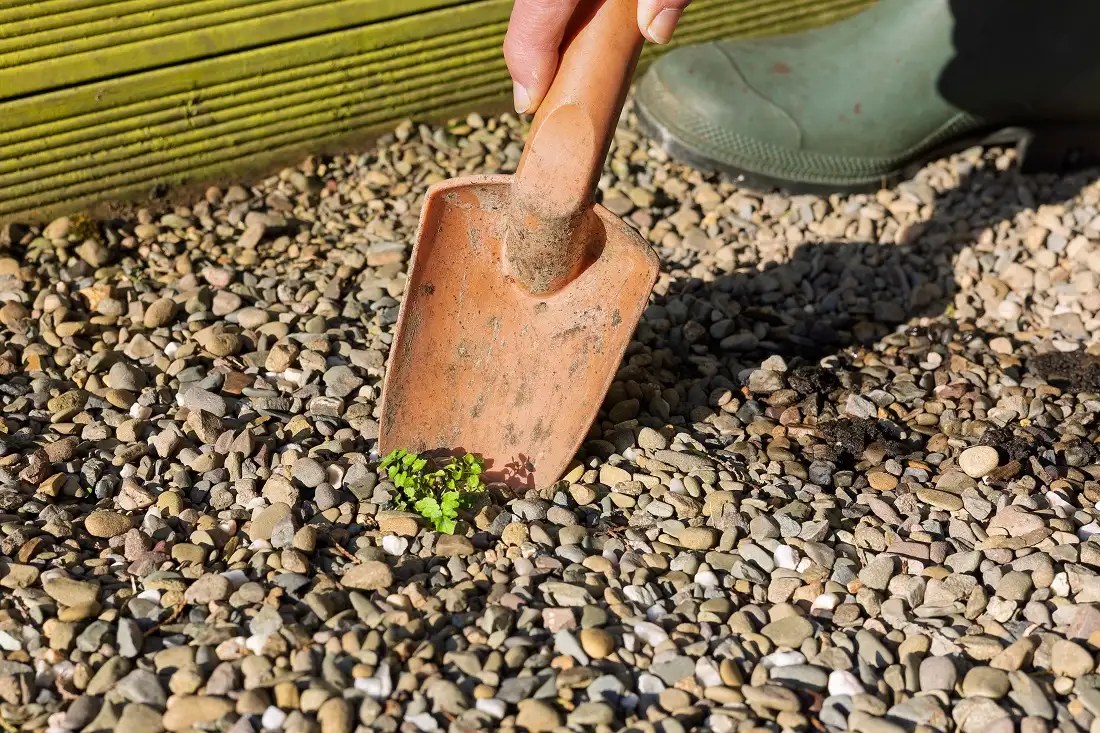
Crushed stone installations require minimal ongoing maintenance when constructed with proper compaction and edge containment. The interlocked surface naturally resists weed growth, since densely packed material blocks light penetration and provides limited growing space. All that’s needed is occasional top dressing every few years to replenish fine particles lost to traffic and weather.
Gravel demands more frequent attention as rounded stones gradually migrate through use, creating thin spots that need replenishment. We recommend installing a weed barrier beneath gravel to reduce vegetation problems while maintaining drainage, though periodic raking is still needed to maintain coverage and appearance.
Drainage Characteristics
Both materials support water infiltration better than solid paving, though they function differently in drainage systems. Clean stone or washed gravel excels in French drains because rounded shapes create larger void spaces between stones that allow free water movement.
Crushed stone works well for retaining wall backfill and other applications that need drainage, combined with structural support. The fine dust that’s naturally found in unwashed crushed stone reduces drainage effectiveness, unless specifications call for washed stone or clean stone grades.
Environmental Impact
Crushing operations consume energy through mechanical equipment and generate emissions during crushed stone production, while quarry operations impact local landscapes despite modern reclamation efforts.
Gravel extraction from natural deposits involves less processing, but alters riverbeds and natural formations. Both materials support environmentally responsible stormwater management through permeable surfaces that reduce runoff and recharge groundwater.
Crushed Stone vs. Gravel Cost: What Affects Pricing
Material costs between these materials vary based on processing requirements, local availability, and project specifications. While cost is important, the comparison extends beyond the initial purchase price to include installation complexity and long-term maintenance expenses.
Crushed stone typically costs more per ton due to the expenses of quarrying, crushing, and screening. However, superior compaction characteristics often reduce the required base depth, potentially offsetting material costs by reducing volume requirements. Gravel's naturally occurring status results in lower production costs, though transportation from deposits affects final pricing.
Long-term value consideration matters as much as initial cost. Properly installed crushed stone in residential driveways and high-traffic areas provides decades of service with minimal maintenance, while gravel applications may need periodic material addition and releveling. When you’re comparing options, calculate your project's total ownership cost, including future maintenance.
Need to estimate material quantities accurately? Use Stone Center’s gravel calculator to determine how much crushed stone or gravel your project requires, ensuring you order the right amount while avoiding excess material costs.
Crushed Stone vs. Gravel: Primary Applications
Different projects need specific material properties to achieve optimal results. Understanding where each aggregate excels helps contractors and homeowners avoid expensive mistakes while maximizing performance and longevity.
Road Construction and Driveways
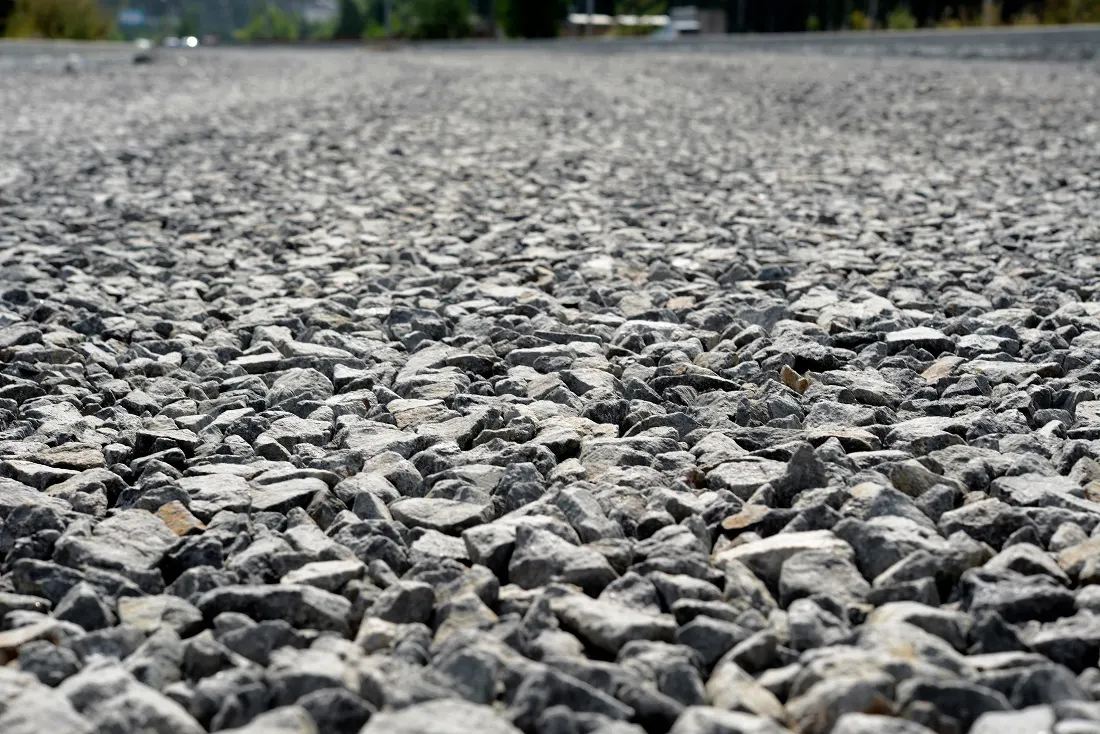
Road construction relies on crushed stone for base layers because its angular shape locks together under compression, creating stable surfaces for heavy loads. The material resists displacement from traffic stress while still allowing for proper drainage through controlled gradation. Gravel driveways are affordable alternatives for lower-traffic residential applications where natural appearance and permeability outweigh maximum durability.
Landscaping and Garden Design
Gravel dominates decorative applications because of its smooth surfaces and natural aesthetic appeal. Pea gravel creates comfortable walking surfaces for garden paths, while river rock adds visual interest to flower beds and water features. Crushed granite and colored crushed stone provide decorative options when specific hues complement landscape designs. When these materials are properly contained, both materials work well as garden border edging.
Construction and Building Projects
Construction materials for foundations, concrete production, and structural elements typically use crushed stone because quality is consistent and performance is predictable. Concrete requires coarse and fine aggregate in precise ratios, which crushed stone reliably provides. Building foundations benefit from crushed stone's compaction characteristics, which resist settling and maintain level surfaces essential to structural integrity.
Selecting the Right Material: Crushed Stone or Gravel?
The intended use of your project should be the main driving force behind your decision. Factor in stability requirements, visual preferences, and budget constraints. In terms of cost, consider both immediate installation costs and long-term maintenance needs when evaluating options.
Choose crushed stone for:
- Driveway bases and surfaces handling regular vehicle traffic.
- Foundation preparation and construction projects requiring structural support.
- Base layers beneath pavers, patios, and other hardscaping elements.
- Applications demanding maximum compaction and long-term stability.
- Road construction and commercial projects with heavy load requirements.
Choose gravel for:
- Decorative landscaping and ornamental garden applications.
- Walking paths and garden trails prioritizing natural aesthetics.
- Flower beds, water features, and landscape groundcover.
- French drains and drainage systems emphasizing water flow.
- Areas where rounded texture and polished appearance enhance design.
Both materials offer valuable properties for landscaping projects and construction applications throughout Ohio. Understanding their distinct characteristics ensures your project achieves successful outcomes that align with your needs and site conditions.
Ensure Project Success with the Right Material Choice
Crushed stone's angular shapes and superior compaction create firm surfaces ideal for structural applications, while gravel's natural aesthetic and smooth texture enhance decorative landscaping where appearance matters most. Quality landscape aggregates form the foundation of successful projects, from residential driveways to commercial construction throughout Ohio.
Serving Columbus and Cincinnati for over 70 years, Stone Center maintains an extensive inventory of crushed limestone, pea gravel, river rock, and other landscaping materials ready for immediate pickup or delivery. Contact us today to discuss your project needs and get expert recommendations on the best aggregate solutions.
FAQ


.avif)
Jon, the owner of Stone Center, is a knowledgeable expert in natural stone products, specializing in various types of stone for landscaping and architectural projects. Passionate about promoting the beauty and versatility of natural stone, Jon aims to use these blogs to inspire readers with creative ideas to upgrade their homes.


.avif)
.avif)
.avif)
How much does it cost to get a stone restored?
How much you end up spending to restore stone varies on the type of stone, the technique, and the stone’s current condition. Stone in good condition will cost less to restore, whereas stone that has a lot of wear and tear may require a longer restoration.