- Stone Center
- Blog
Porcelain vs. Natural Stone: What's Better for Your Renovation?
17/2/2026
2/17/2026
Porcelain vs. Natural Stone: What's Better for Your Renovation?
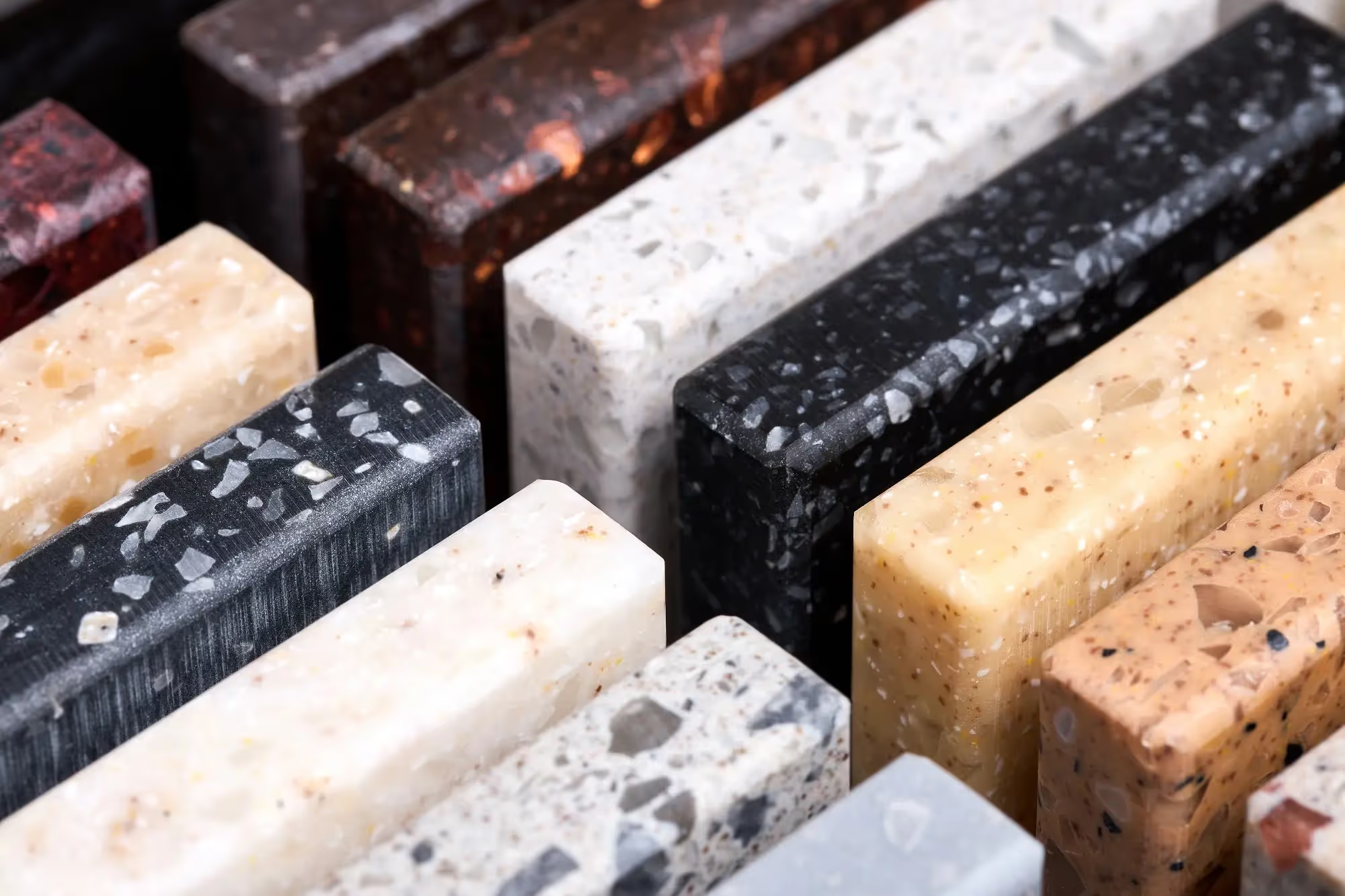
Choosing between porcelain and natural stone for your project can be a tough decision. Natural stone has symbolized luxury and elegance for centuries with its unmatched character and authenticity, while porcelain tile is revolutionizing modern design with its impressive durability, low maintenance, and ability to mimic rich stone textures.
Our guide will break down key factors such as durability, cost, maintenance, and more, so you can make the right choice, whether you're a homeowner, contractor, or designer. Our Stone Center team is here to help educate you and guide you toward the ideal decision for your upcoming project.
The Structure of Natural Stone and Porcelain Tile

Let's start with the basics. Is porcelain a natural stone? No — porcelain is a manufactured product made from kaolin clay and minerals fired at extremely high temperatures. This process creates a dense, non-porous, and highly durable material with a uniform structure. The water-resistant surface is smooth, often glazed, and highly resistant to moisture, stains, and wear. Its consistent composition and easy maintenance make it ideal for high-traffic areas.
On the other hand, natural stone tiles are cut from quarried stone such as marble, granite, limestone, slate, travertine, or sandstone. Each stone tile has its own unique variations in color, veining, and texture due to the natural geological processes that formed it. Natural stone tiles tend to have a more organic and irregular surface compared to porcelain tiles, a look that appeals to many homeowners.
Comparing Porcelain Tiles and Natural Stone
Understanding the differences between porcelain tile and natural stone helps you make an informed decision based on your needs and design preferences.
#1. Appearance
Porcelain tiles offer a sleek, uniform look and can mimic natural stone, wood, or concrete with advanced printing technology. Stone-look porcelain tiles and stone-effect tiles have become incredibly realistic, offering modern design flexibility with consistent patterns. They come in a wide range of colors, patterns, and finishes, allowing for greater design flexibility. However, they lack the unique, organic variations found in natural stone.
Natural stone delivers an unmatched, authentic aesthetic with unique veining, color variations, and textures shaped by nature. Each tile is one-of-a-kind, adding depth and character to any space.
Popular types include:
- Marble: Elegant veining, luxurious appearance.
- Granite: Durable with speckled patterns.
- Limestone: Warm, earthy tones.
- Slate: Rustic texture, layered appearance.
- Travertine: Porous with natural pits.
- Sandstone: Soft, natural beauty.
While it exudes luxury and timeless beauty, its irregular patterns may require careful selection and layout to achieve a cohesive design. Real stone’s natural beauty creates an organic elegance that porcelain tile that looks like natural stone can approximate but never fully replicate.
More attractive: Natural stone
#2. Durability
Porcelain tile is generally considered to be more durable than stone tile; it's a dense and hard material and highly durable that's highly resistant to scratches, stains, and water damage. Many homeowners love the extremely tough conditions that porcelain can withstand. Most porcelain tiles excel in high-traffic areas and outdoor use, even withstanding freeze-thaw cycles.
How durable natural stone is depends on the type. For example, granite is highly resistant to scratches and impact, making it ideal for high-traffic areas. Marble and limestone, on the other hand, are softer and prone to etching, while travertine and slate withstand outdoor conditions but need sealing.
More durable: Porcelain
#3. Moisture & Stain Resistance
Unlike natural stone, most porcelain tiles have a non-porous and water-resistant surface, making them ideal for kitchens, bathrooms, laundry rooms, and other wet areas. The dense material offers exceptional stain resistance, as stains are easy to clean with a damp cloth and rarely need sealing. This makes porcelain paving and porcelain pavers excellent choices for outdoor space applications where moisture is constant.
Stone tile, on the contrary, can be more porous, which means it can absorb moisture and water over time. This can lead to staining, discoloration, and even structural damage to stone floor tiles if the moisture isn't addressed properly.
More moisture and stain resistant: Porcelain
#4. Maintenance
When it comes to maintenance, porcelain tile is generally considered to be low-maintenance, while natural stone tile requires more attention to preserve its appearance and durability. Porcelain tile is easy to clean and maintain with regular sweeping and mopping, making it a cost-effective choice for busy households.
In contrast, natural stone tile requires periodic sealing and polishing to prevent staining, etching, and cracking. Additionally, different types of natural stones require different levels of maintenance, so it's important to research and understand the specific cleaning needs of each type of stone before you make your decision.
Easier to care for: Porcelain
#5. Installation Process
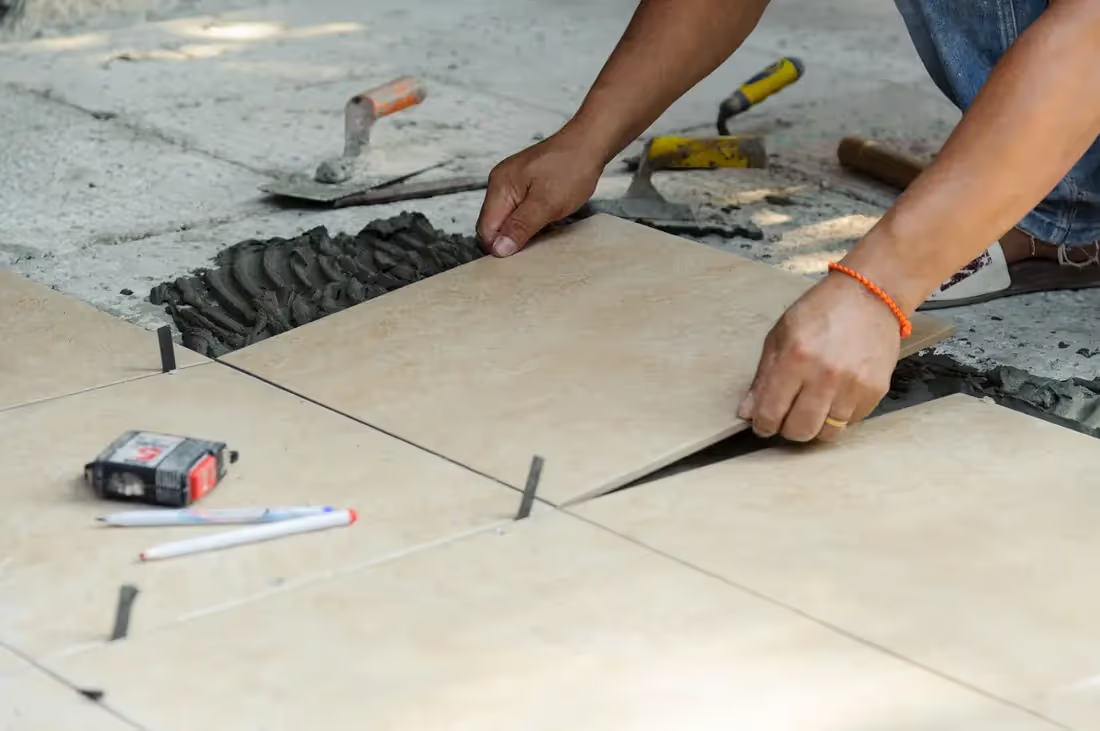
In terms of installation, porcelain tiles are easier to install when compared with natural stone, especially for DIY projects. Porcelain tiles are uniform in size and shape, which makes them easier to cut and fit together along uniform grout lines.
Natural stone tiles, on the other hand, require more care and expertise during installation, as they vary in size and shape and can be more challenging to cut and install. If you're looking for a cost-effective and straightforward installation option, porcelain tiles may be the best choice for your project.
Easier to install: Porcelain
#6. Cost
When it comes to comparing porcelain vs. natural stone, cost is an important factor to consider. Natural stone is generally more expensive than porcelain tile, with total costs (material + labor) for stone often ranging from $9–$30+ per square foot, while porcelain typically falls between $8–$15 per square foot. Porcelain tiles typically range from $6 to $12 per square foot, making them a more affordable option. On the other hand, natural stone tiles can range from $10 to $25 per square foot, depending on the type of stone chosen.
Stone requires more expensive, skilled labor for installation and ongoing maintenance (stone sealing). Porcelain offers a more budget-friendly, durable, and low-maintenance alternative that often mimics the look of stone. Understanding the cost differences can help you make the best decision when selecting between porcelain and natural stone for your project.
More affordable: Porcelain
#7. Value
There's no doubt that both porcelain tiles and natural stone tiles can increase the value of your home, but natural stone typically offers a higher return on investment. According to the National Association of Home Builders, installing natural stone tiles can yield a return of up to 90% of the installation cost, while porcelain tile can yield a return of up to 70% of the installation cost. This is due to the perceived luxury and high-end look of natural stone that can attract potential buyers and increase your property value.
However, the return on investment ultimately depends on various factors, such as the quality of the installation and the overall design of the space.
More valuable: Natural stone
Natural Stone vs. Porcelain: Applications for Your Home
As you evaluate stone vs. porcelain tiles and natural stone vs. porcelain for your next project, both materials work beautifully for outdoor use and can transform your outdoor space.
Flooring

For many homeowners, natural stone tile flooring creates timeless elegance. However, porcelain tile floors provide stone's beauty with superior durability and stain resistance. Porcelain tiles that look like stone offer an authentic appearance without high maintenance.
Patios
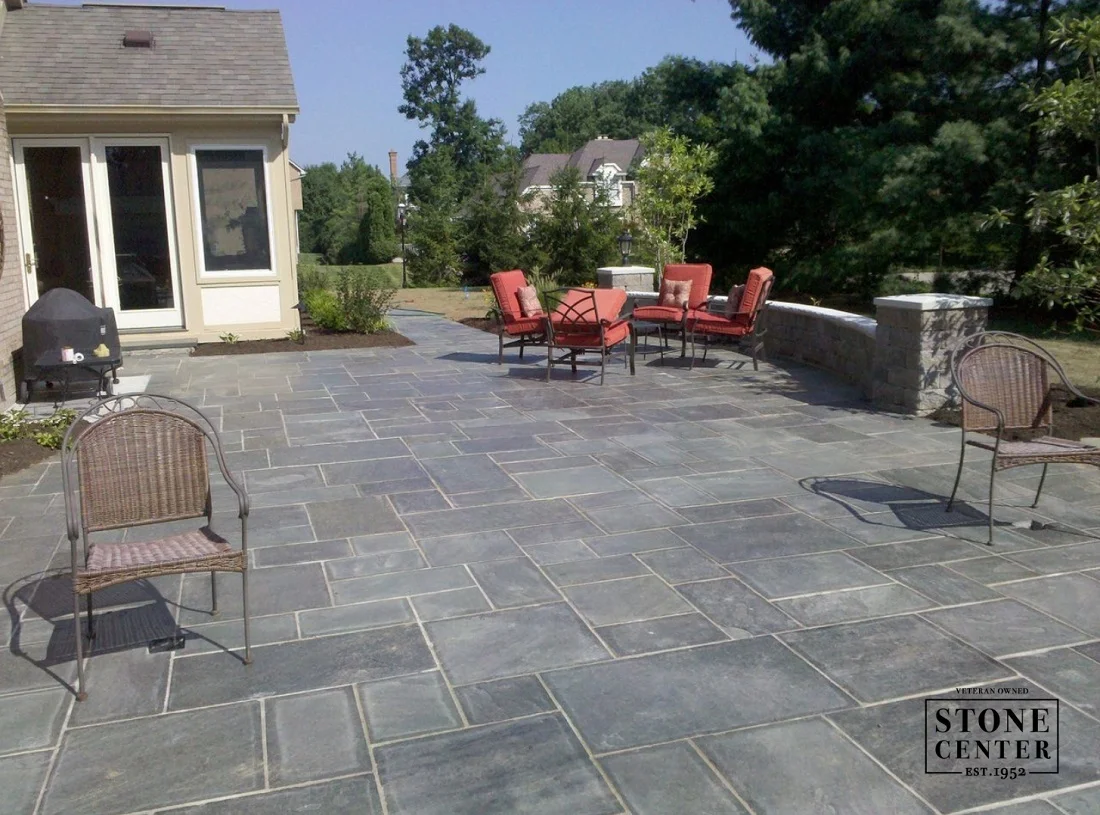
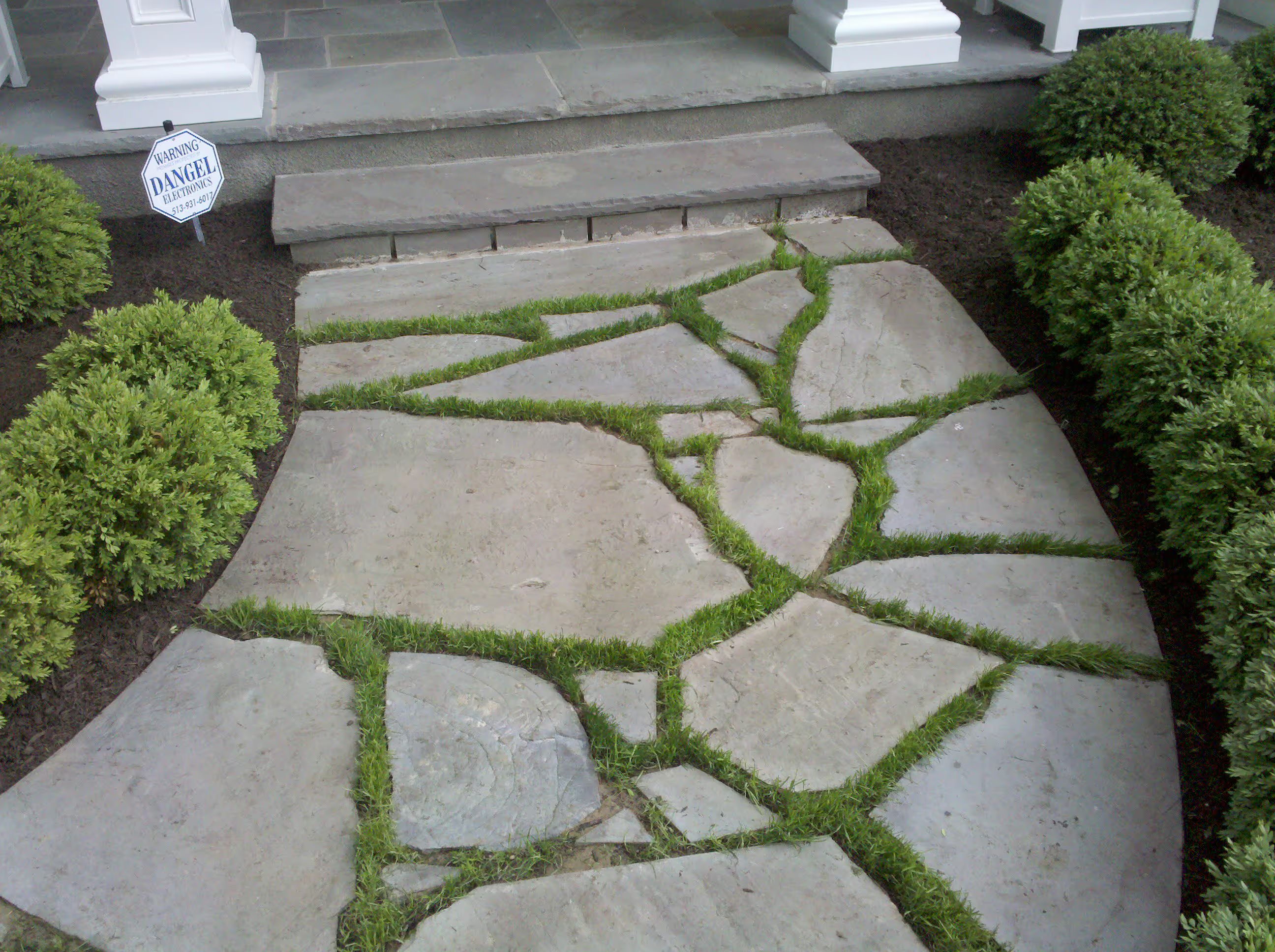
Natural stone tiles and porcelain offer unique style ideas for your home exterior, particularly the patio. Natural stone tiles, with their organic textures and earthy tones, create a rustic and natural ambiance. On the other hand, porcelain tiles provide a sleek and modern look with a wide range of colors and patterns. Both excel in outdoor use and create stunning patios.
Walls

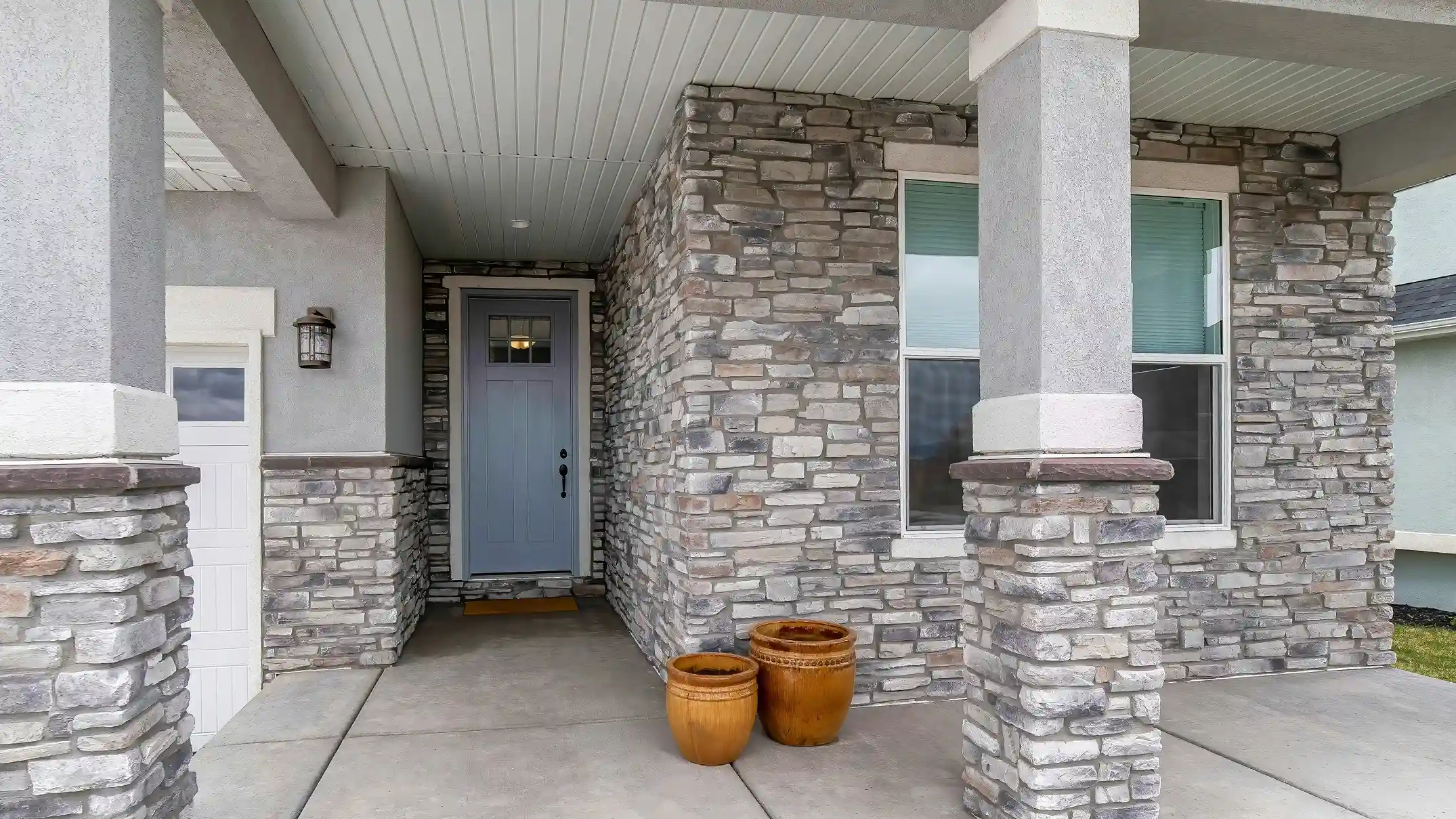
Regarding your outdoor spaces, stonewall cladding can add a chic and rustic touch to any design. The style options are virtually endless, with many sizes and colors of natural stone from which you can choose. For versatile, low-maintenance options, stone wall materials work beautifully.
Copings

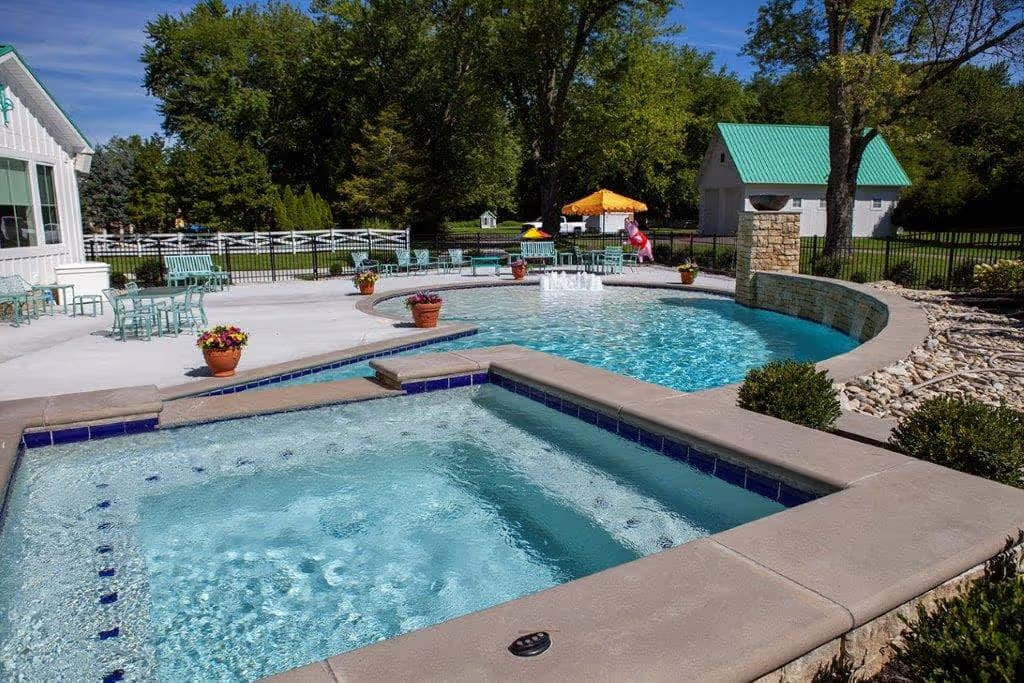
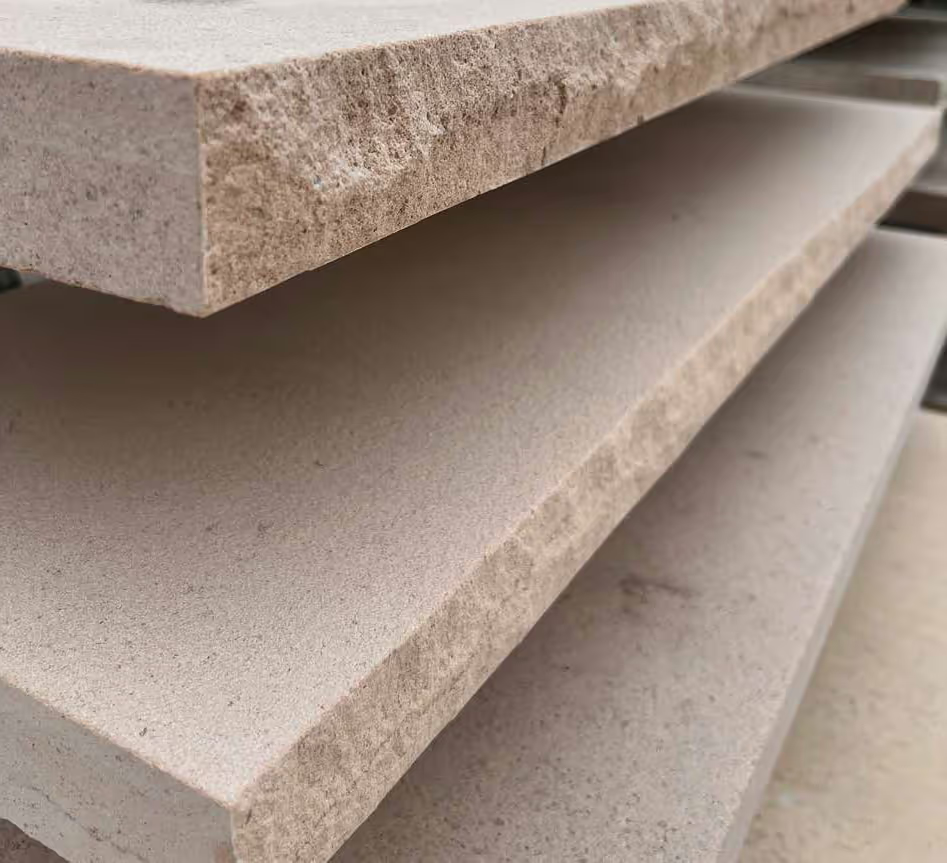
When designing your home's exterior, consider using porcelain or natural stone for coping along the pools or walls. Both offer durability to withstand weathering. Porcelain resists fading, while natural stone develops a patina.
How to Choose Between Natural Stone and Porcelain Tile: Decision Guide
Choosing between porcelain and natural stone depends on several key factors:
Porcelain is ideal if:
- You need superior moisture resistance for bathrooms, kitchens, or laundry rooms.
- Budget is a primary concern, and you want cost-effective materials.
- Low maintenance is essential, and you prefer not to seal or polish regularly.
- You need freeze-thaw resistance for outdoor use in harsh climates.
- Consistent appearance and patterns are important for your design.
- DIY installation is preferred for easier handling.
- You want stone-look porcelain tiles for an authentic appearance without high maintenance.
Choose natural stone if:
- Authentic, one-of-a-kind beauty is your priority.
- You want maximum property value and a higher ROI (up to 90%).
- Unique veining, color variations, and timeless beauty appeal to you.
- You're willing to invest in periodic sealing and maintenance.
- Creating a luxurious, high-end aesthetic is important.
- You value materials that develop character and patina over time.
Ultimately, both porcelain and natural stone offer lasting quality. Porcelain excels in practicality and budget-friendliness, while natural stone delivers unmatched luxury and character. Consider your lifestyle, maintenance preferences, and design vision to make the best choice for your project.
The Final Verdict: The Choice Is Yours
Both porcelain and natural stone offer beauty and durability, but porcelain provides greater consistency and lower maintenance. As you evaluate porcelain vs. natural stone for your next project, consider your priorities in terms of appearance, maintenance, and budget.
Regardless of your choice, our team at Stone Center is here to help. With an extensive selection of premium porcelain and natural stone and decades of industry experience, we can help you select the best materials for your unique vision. If you have an upcoming project, we’d love to hear about it! Contact us today for the highest quality porcelain tiles and natural stone from a reputable supplier.
FAQ


.avif)
Jon, the owner of Stone Center, is a knowledgeable expert in natural stone products, specializing in various types of stone for landscaping and architectural projects. Passionate about promoting the beauty and versatility of natural stone, Jon aims to use these blogs to inspire readers with creative ideas to upgrade their homes.

Check Out Our Products You May Like
French Chateau
%20(1).avif)
Indiana Limestone Pavers

Gotham

Nature
.avif)
Walnut Travertine
$9-$12 (square feet)
.avif)
Buff Sandstone Rockface
$200 - $270 (each)

New England

Roma
How much does it cost to get a stone restored?
How much you end up spending to restore stone varies on the type of stone, the technique, and the stone’s current condition. Stone in good condition will cost less to restore, whereas stone that has a lot of wear and tear may require a longer restoration.