- Stone Center
- Blog
Bluestone vs. Limestone: Which Stone Is Right for Patios, Steps, and More
21/5/2026
5/21/2026
Bluestone vs. Limestone: Which Stone Is Right for Patios, Steps, and More
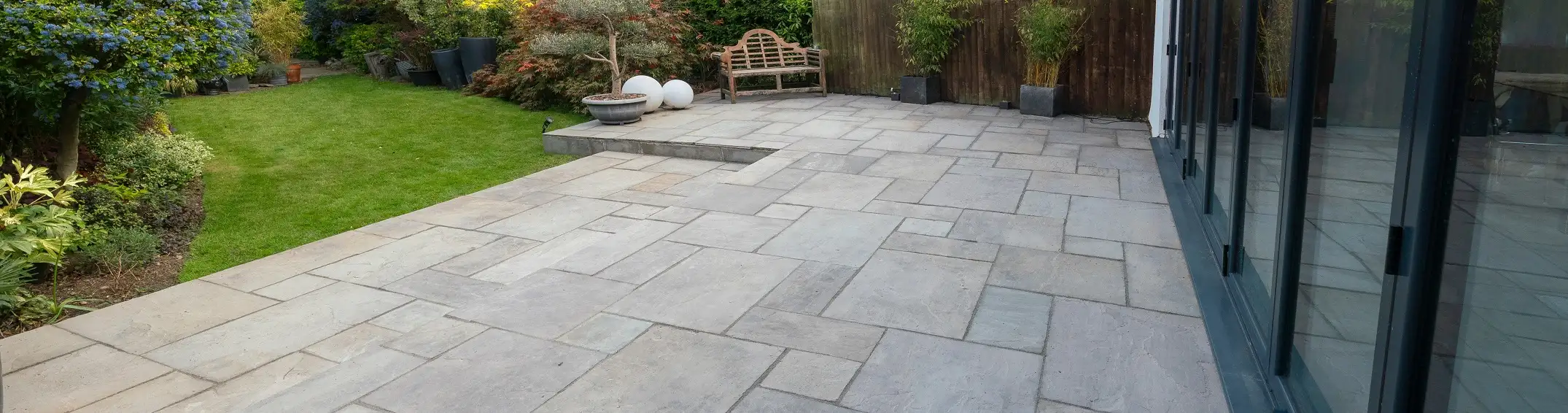
Picking the wrong stone for a patio or a set of steps can result in expensive repairs, a surface that gets dangerously hot in summer, or a material that deteriorates after the first Ohio winter. Both bluestone and limestone show up on nearly every contractor's shortlist, yet their performance hinges on application.
At Stone Center, we carry a full range of limestone products and bluestone options for commercial and residential projects across Columbus and Cincinnati. In this guide, we break down the key differences so you can choose with confidence.
Defining Each Stone
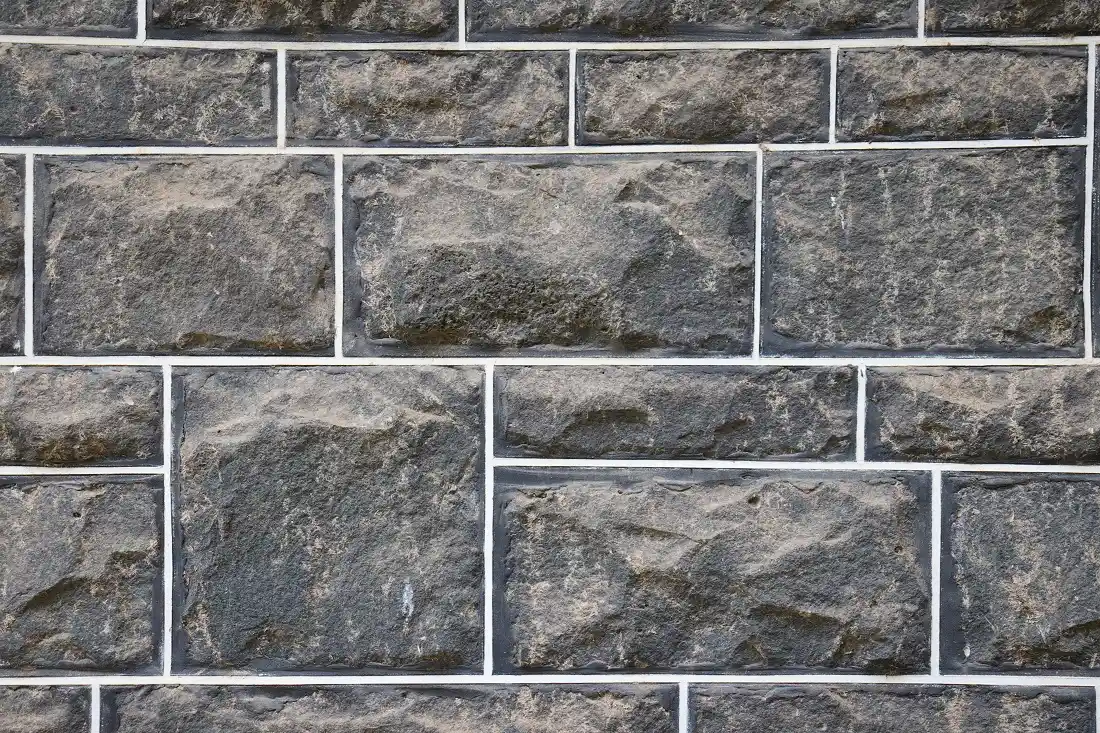
Before comparing performance, it helps to know what you’re working with. The two materials come from different geological origins, which impacts everything from hardness to how they handle water.
Bluestone: Dense Sandstone with a Signature Look
Bluestone is a dense sandstone or siltstone, quarried primarily in Pennsylvania and New York, with a characteristic blue-gray to charcoal tone. It comes in two main surface finishes: natural cleft and thermal, and holds up well in patio and landscaping applications without needing constant upkeep.
Limestone: Sedimentary Stone Built for Versatility
Stone Center specializes in Indiana limestone, which is a calcium carbonate sedimentary rock prized for its consistent density and clean aesthetic. Available in soft creams and warm tans to light grays, this stone cuts to tight tolerances, making it well-suited for architectural work and custom fabrication.
Bluestone vs. Limestone: A Side-by-Side Comparison
Here’s a comparison of the two materials across the most important criteria for outdoor projects.
Appearance and Design Fit
Bluestone's palette, blue-gray to charcoal with subtle hints of rust and green, is ideal for traditional, rustic, and colonial-revival designs and pairs naturally with dark wood, architectural grasses, and monochromatic planting. Limestone offers a warm, refined appearance, with creams, tans, and soft grays that complement Mediterranean, French Country, and modern minimalist styles.
Surface finish shapes the look just as much as color. Natural cleft bluestone has a layered, textured character, while honed or sawn limestone sits flat and smooth. This distinction tends to be decisive for close-range applications, such as steps, sills, and entryways.
Durability and Performance in Cold Climates
Bluestone's low porosity (1–5%) gives it a significant advantage in Ohio's freeze-thaw climate, as its dense structure resists water infiltration. The one caveat is that lower-grade stone with visible sedimentary layering can flake if water freezes between the planes, so quality sourcing and proper drainage matter.
Limestone performs well in cold climates when a low-porosity grade is selected, and the stone stays sealed. Indiana limestone with absorption rates at or below 3% performs reliably in freeze-thaw conditions, while higher-porosity grades are where problems arise, usually when sealing lapses over time.
Maintenance: What to Expect Long-Term
Both stones need sealing and routine care, but there’s a noticeable difference between the frequency and consequences of the two.
Bluestone needs resealing every 3–5 years and handles cleaning well with a standard pH-neutral stone cleaner, tolerating a wider range of products than limestone. Its low porosity helps prevent most surface stains from penetrating, making cleanup easier. In new installations, the main concern is typically efflorescence, which is a white mineral deposit that is cosmetic and typically resolves on its own after the first season.
Limestone requires resealing more often, typically every 1–3 years depending on exposure and grade, and cleaning must stay strictly pH-neutral since acidic products etch calcium carbonate — vinegar, citrus cleaners, and muriatic acid all cause damage. More porous grades stain faster, so cleaning oil, rust, and organic debris quickly is more important than with bluestone, and any debris left sitting on the surface for extended periods risks leaving a permanent mark.
Is Bluestone More Expensive Than Limestone?
Limestone is more affordable upfront; material runs $3–$16 per square foot, with installed costs in the $12–$28 range. Bluestone material starts at $8–$18 per square foot, with installed costs of $15–$31 depending on finish and complexity.
Over a full project lifecycle, the gap narrows. Limestone needs sealing more often and is more susceptible to surface damage that needs professional restoration, while bluestone typically delivers 40–60+ years of service with lower annual maintenance costs. For high-traffic commercial projects, the lifecycle math often favors bluestone despite the higher bluestone vs. limestone price at purchase.
Patio Applications: Bluestone vs. Limestone
For patios, the choice often comes down to heat exposure, design style, and expected traffic.
When to Choose Bluestone for a Patio

Bluestone is optimal for shaded or partially shaded patios, traditional and rustic design schemes, and high-traffic areas that need to handle heavy use without showing wear. Its natural cleft surface provides excellent slip resistance, which matters when water is a factor in the outdoor living space. In full sun, bluestone absorbs and retains heat — pool decks and south-facing patios exposed to direct afternoon sun may become too hot during peak summer months.
When to Choose Limestone for a Patio
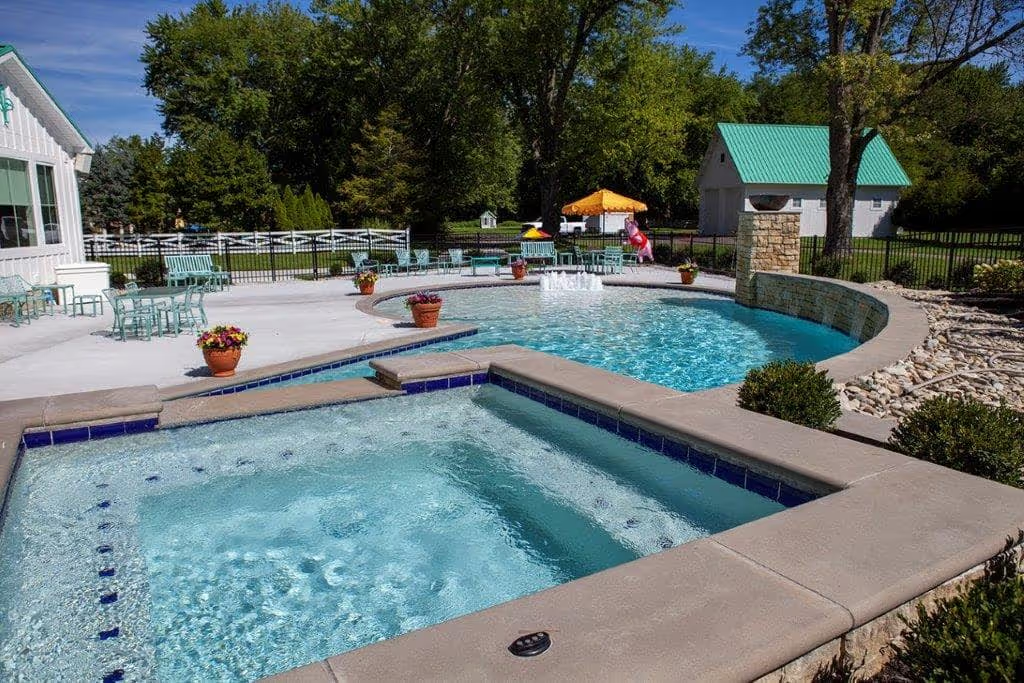
Limestone stays noticeably cooler underfoot in direct sunlight, which makes it ideal for sun-exposed patios and pool surrounds. Its consistent color palette also suits modern, minimalist, and transitional design styles that benefit from a more uniform surface, though it requires a disciplined sealing routine and should be kept clear of acidic materials.
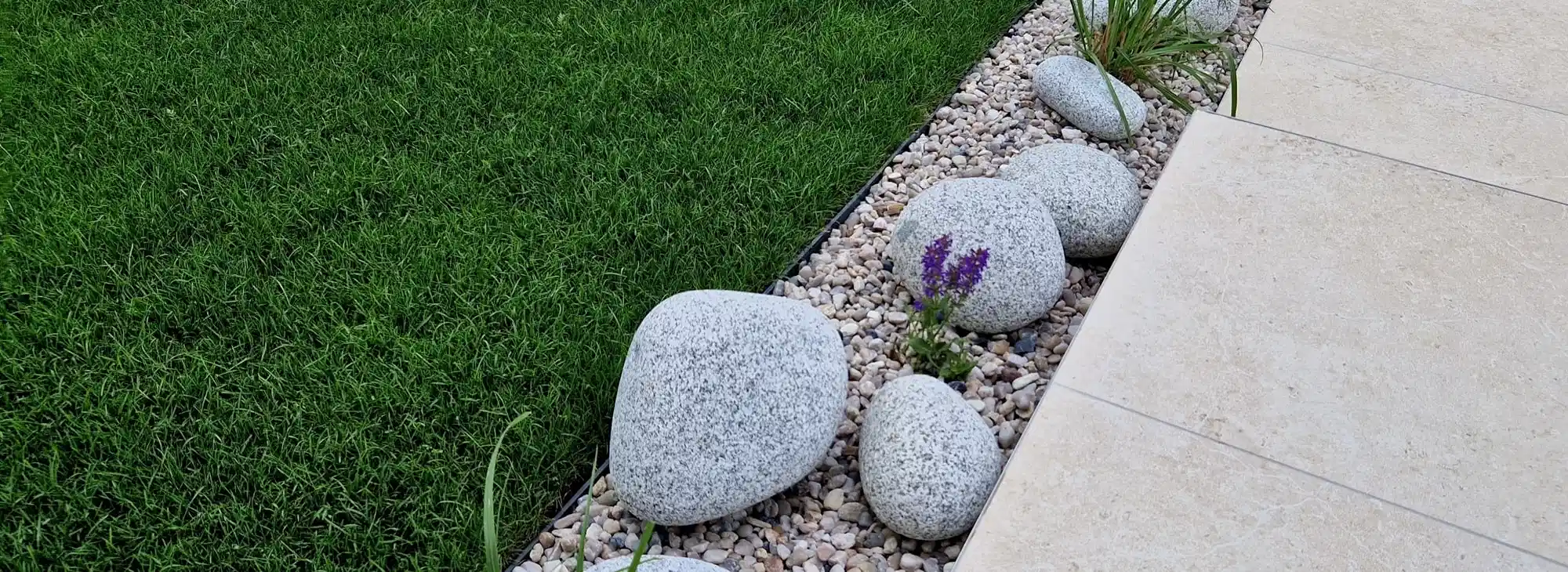
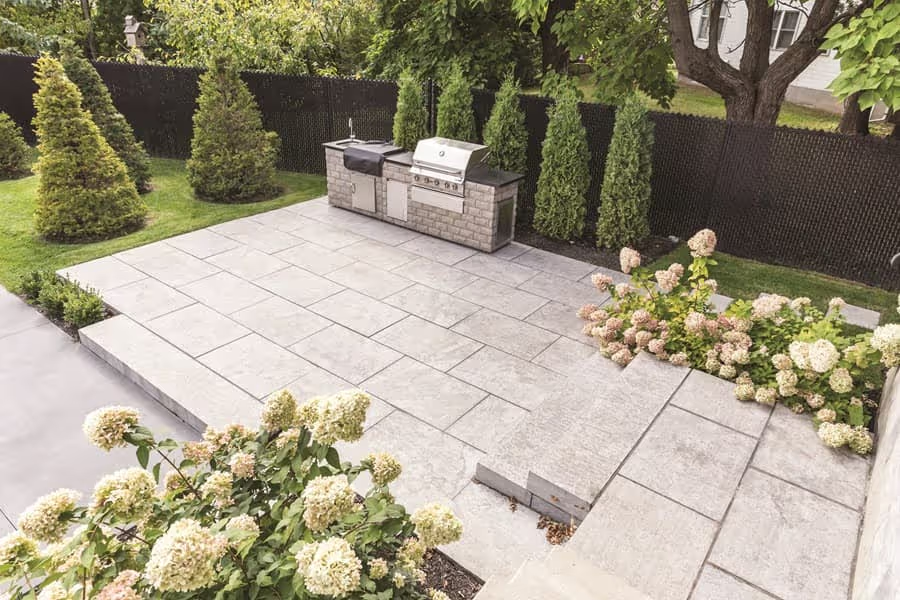
You don’t need to choose just one, as both stones can work together on the same project. A limestone patio field with bluestone used for borders or stair treads is a common pairing that plays to each material’s strengths.
Steps and Treads: Limestone vs. Bluestone
Steps see concentrated foot traffic, edge chipping, and surface wear more than flat paving does, and the two stones handle those demands differently.
Bluestone Steps and Treads
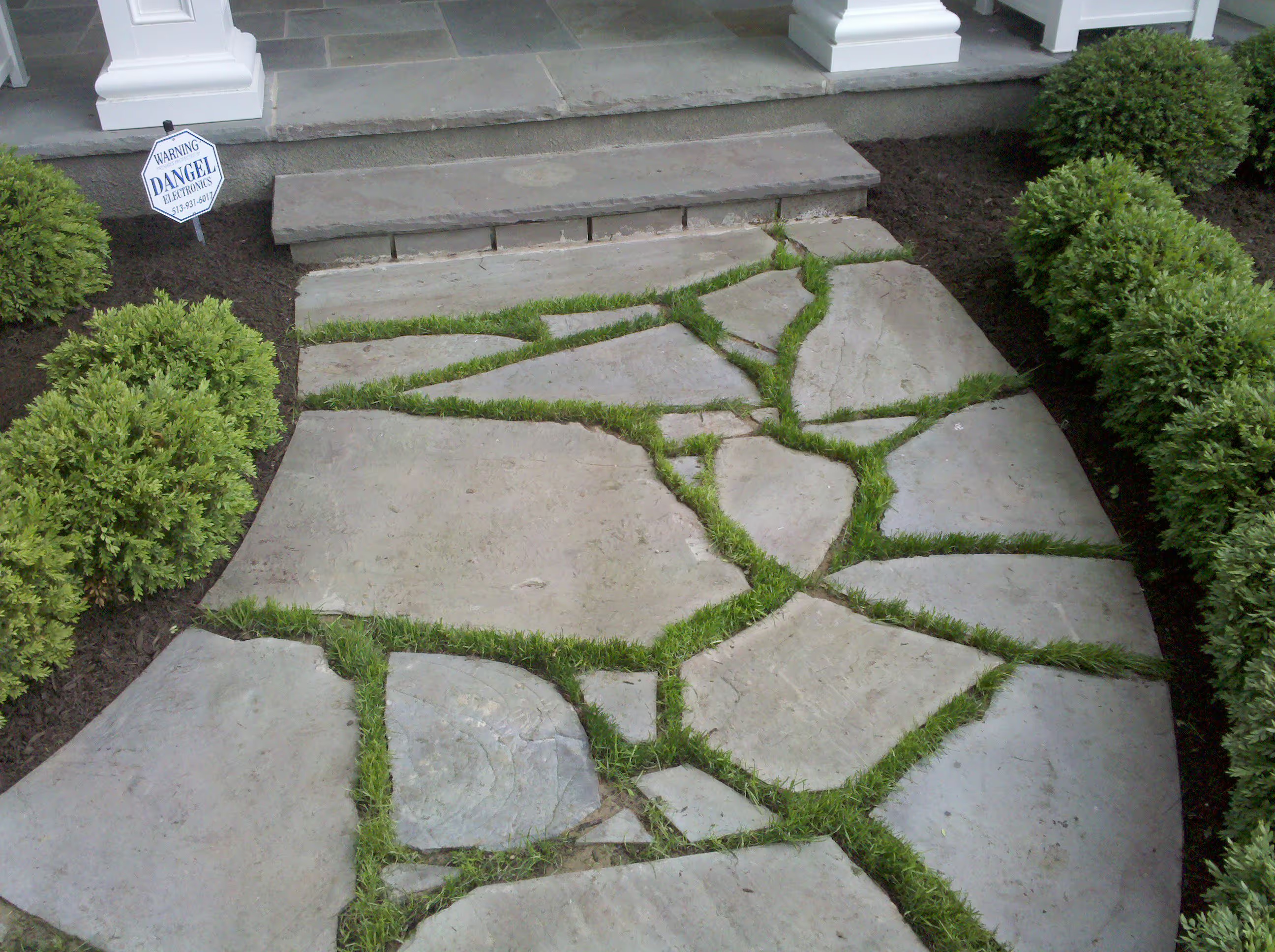
Bluestone is the harder material of the two, giving it better edge retention and longer wear life. Its natural cleft or thermal finish provides a strong grip on both dry and wet surfaces, making it a clear choice for high-traffic stairs or any design that needs a darker, anchoring tone.
- Natural cleft finish: The most slip-resistant option; ideal for exterior stairs exposed to weather year-round.
- Thermal finish: A smoother but still grippy surface; suitable for formal stair designs where a cleaner look is needed.
Limestone Steps and Treads

Limestone treads offer a softer, more refined appearance for exterior stairs and suit traditional architecture, brick facades, and residential entryways particularly well. Indiana limestone cuts easily to custom dimensions, making it the preferred option when non-standard tread lengths or radial cuts are part of the scope. It’s often the more budget-friendly choice for limestone vs. bluestone treads in residential work.
Pavers: Bluestone vs. Limestone
For walkways, driveways, pool decks, and plaza hardscaping, both stones are available in dimensioned, sawn formats with different performance profiles.
Bluestone Pavers
Bluestone pavers perform well in formal geometric layouts and commercial applications where abrasion resistance is especially important. Their density makes them slightly more labor-intensive to handle, but the result is a surface that holds up to wheeled loads and heavy foot traffic with minimal maintenance over a long service life.
Limestone Pavers
Limestone pavers are more flexible for custom patterns and large-format layouts, with workability that lowers fabrication costs on complex jobs. They also stay cooler underfoot on sun-exposed pool decks than bluestone does, which many residential clients consider the deciding factor when choosing between the two.
Quick Decision Guide
Not sure which stone fits your project? Use these as a starting point.
Choose bluestone if:
- The surface is shaded or partially shaded
- The project is high-traffic — steps, walkways, commercial plazas
- Freeze-thaw durability is the primary concern
- The design calls for a darker, more textured aesthetic
- You want a lower sealing frequency over time
Choose limestone if:
- The surface gets full sun and heat underfoot is a concern — pool decks, south-facing patios
- The project needs precise custom fabrication or tight-joint installation
- The design is modern, transitional, or calls for uniform light tones
- Budget is a factor on the material side, and maintenance will be consistent
- Architectural cut stone work is part of the scope
A limestone patio with bluestone treads or coping is a common pairing that balances cost, heat performance, and durability across different zones of the same installation.
The Right Stone Makes the Difference
Bluestone is typically the better choice for high-traffic areas, steps, and cold-climate durability, where limestone is well-suited for sun-exposed patios, pool surrounds, and architectural work where a cooler surface and cleaner fabrication matter more than raw hardness.
As one of the leading Ohio natural stone suppliers, Stone Center has served contractors, landscapers, and pool builders across Columbus and Cincinnati since the early 1950s. Contact us, and we’ll be happy to help you find the right material for your project.
FAQ
Frequently Asked Questions
Can bluestone or limestone be used indoors?
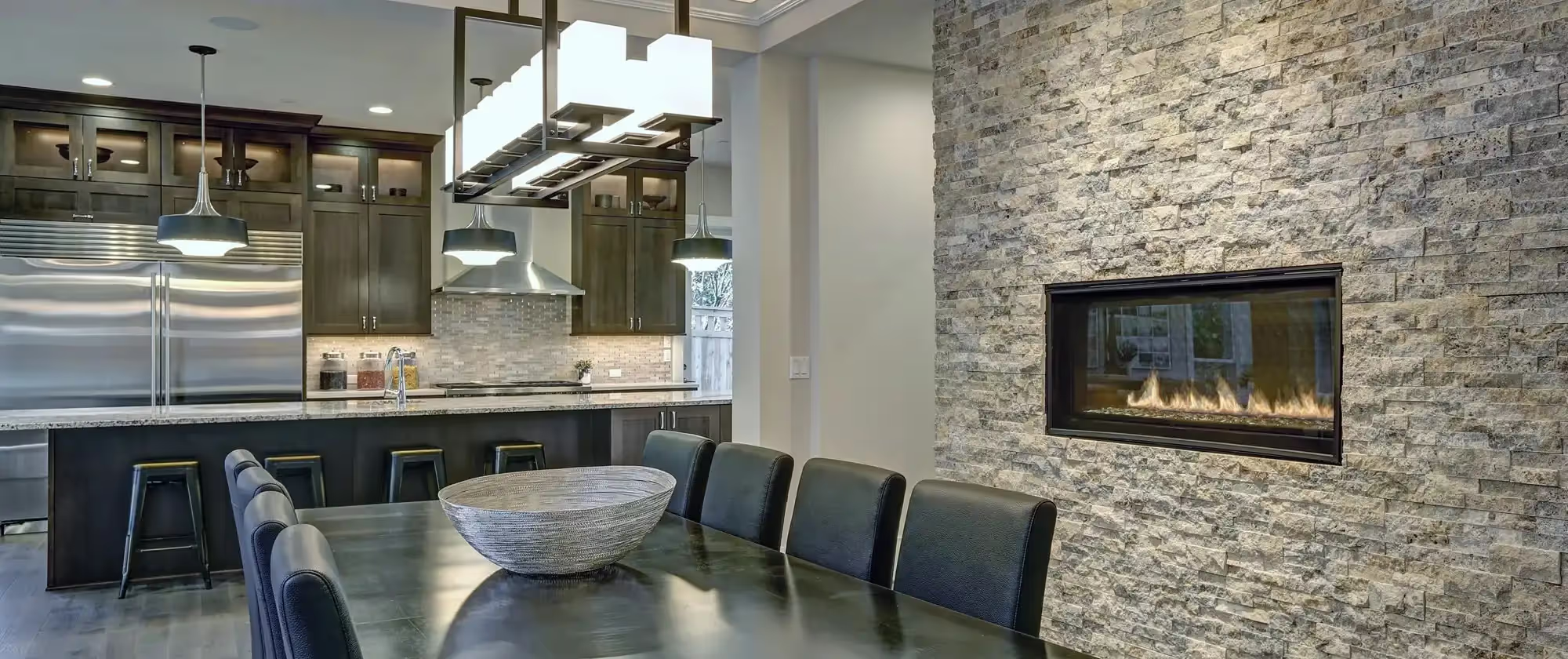
Yes, both materials work indoors. Limestone is more commonly used for interior flooring, fireplace surrounds, and wall cladding because of its refined look and ease of fabrication. Bluestone is less commonly used indoors, but it works especially well in entryways, mudrooms, and hearths where its density and slip-resistant texture offer practical benefits.
Do both stones need to be sealed before first use?
Yes. Both bluestone and limestone should receive a penetrating sealer before the installation sees any foot traffic, moisture, or chemical exposure, which significantly reduces the risk of early staining and sets a better baseline for long-term maintenance.
Which stone is better for pool coping specifically?
Limestone is generally ideal for pool coping because it stays cooler underfoot in direct sun and offers a cleaner edge profile that suits formal pool designs. Thermal bluestone is also used for more traditional or rustic surrounds, but heat retention is a valid consideration for installations that will be used heavily in the summer.
Does the color change over time with either stone?
Both stones develop a patina with age — bluestone tends to lighten slightly outdoors, while limestone can take on a warm, honey tone that many designers consider a feature rather than a flaw. Regular sealing slows this process for both materials.


.avif)
Jon, the owner of Stone Center, is a knowledgeable expert in natural stone products, specializing in various types of stone for landscaping and architectural projects. Passionate about promoting the beauty and versatility of natural stone, Jon aims to use these blogs to inspire readers with creative ideas to upgrade their homes.
Explore Our Products You May Like
French Chateau
Silver Grey
%20(1).avif)
Limestone Copings
%20(1).avif)
Limestone Sills
.avif)
Bluestone Bullnose
$90 (each)
.avif)
Thermal Bluestone Tread
$140 - $250 (each)
How much does it cost to get a stone restored?
How much you end up spending to restore stone varies on the type of stone, the technique, and the stone’s current condition. Stone in good condition will cost less to restore, whereas stone that has a lot of wear and tear may require a longer restoration.