- Stone Center
- Blog
All Types of Gravel: A Complete Guide for Driveways, Walkways, and Landscaping Projects
27/2/2026
2/27/2026
All Types of Gravel: A Complete Guide for Driveways, Walkways, and Landscaping Projects

Choosing gravel for outdoor spaces can feel overwhelming, as there are countless options available. The right gravel makes all the difference between a driveway that shifts underfoot and one that stays solid for years.
In this guide, Stone Center covers the most common landscape gravel options and their applications. Whether you need material for a driveway base or decorative borders, the optimal choice depends on your requirements.
What Is Gravel and Why Does It Matter?
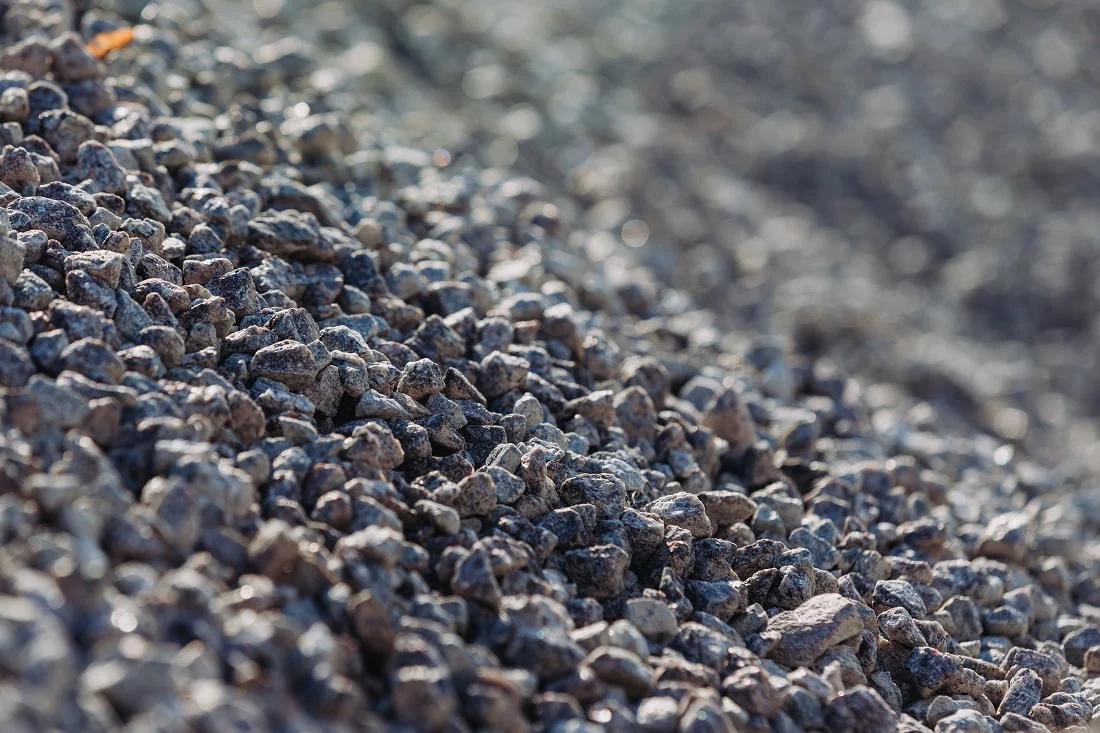
Let’s start with the basics. Gravel is loose rock aggregate formed naturally by weathering or produced by crushing stone in quarries. It comes from riverbeds, gravel pits, or quarries and ranges from fine 2 mm particles for decorative use to coarse 60 mm stones for structural support. Different sizes fulfill different construction and landscaping needs, so choosing the right type is important for achieving project success.
Gravel Sizing: What You Need to Know
The construction industry categorizes gravel by particle diameter, since size plays a key role in how the material performs. Choosing the correct gravel size directly affects both drainage and stability, depending on the application. When you understand these size classifications, it’s easier to select materials that will perform reliably for your specific project.
Gravel Size Categories
Different sizes serve different purposes in construction and landscaping projects:
- Fine (1/4"-1/2"): Used for walkways and areas requiring smooth surfaces.
- Medium (1/2"-3/4"): Common for driveway surfaces and general landscaping.
- Coarse (3/4"-1 1/2"): Applied as base layers and drainage applications.
- Large (1 1/2"-3"): Reserved for major drainage projects and erosion control.
Type 1 and Type 2 Gravel
Type 1 gravel is clean crushed stone without fines or dust particles. When smaller particles aren’t present, it creates gaps that allow water to flow freely, making it essential for drainage systems where water movement is the main concern. This clean stone provides excellent drainage but doesn't compact as tightly as gravel containing fines.
Type 2 gravel contains stone sizes including dust and finer particles. When properly compacted, these smaller particles fill gaps between larger stones, creating a dense, stable base material that supports structures, vehicles, and heavy loads. This type of gravel is ideal when a solid foundation is more important than maximum drainage.
The Most Popular Gravel Types and Where They Shine
Different types of gravel serve specific purposes in construction or landscaping projects. Some excel at providing excellent drainage, while others create visual appeal.
Pea Gravel
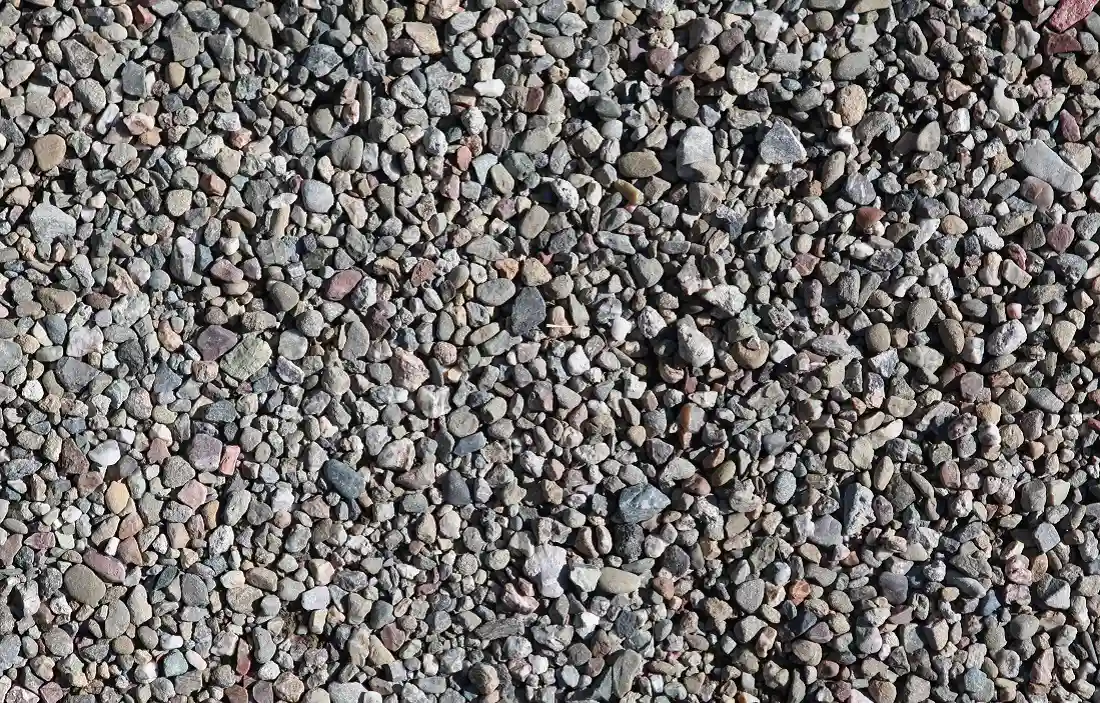
Pea gravel features small, rounded stones measuring 1/8 to 3/8 inches in diameter. It’s a smooth gravel offering a comfortable walking surface ideal for garden paths and decorative landscaping where aesthetics and function are equally important. matter as much as function.
The smooth texture works well in garden beds, around water features, and as fill between pavers. The rounded edges mean this fine gravel shifts under foot traffic, so proper edging keeps material in place and maintains clean borders. Because of this, it’s less ideal for high-traffic areas but perfect for decorative applications.
Note: Pea gravel provides excellent drainage but requires stabilization for heavy loads or vehicle access.
Common applications:
Flower beds: Creates borders while improving drainage and preventing soil erosion.
Play areas: Provides cushioned surfaces gentle on children.
Decorative borders: Adds visual interest around outdoor spaces.
Crushed Stone
Crushed stone comes from mechanically breaking larger rocks into angular pieces. These rock fragments interlock to form a stable surface that resists shifting under pressure, making it superior for load-bearing applications.
The angular shape makes it superior for gravel driveways and construction projects that need solid foundations. Most gravel used in driveway construction includes crushed stone for the base layer because the edges lock together when compacted.
Best uses:
- Driveway construction: Angular stones compact tightly to handle heavy loads and create attractive, durable surfaces.
- Base material: Works as a foundation under pavers and concrete where a stable surface is critical.
- Road construction: Provides structural integrity for parking lots and access roads that support regular traffic.
River Rock
.webp)
Nature’s polished stones add an organic, natural character to landscape designs. River rock is made up of rounded stones that have been naturally smoothed over time by water erosion, giving them a soft, refined appearance. These stones typically range in size from about 3/8 inch to several inches, making them ideal for both subtle accents and bold landscape features.
River rock is perfect for decorative applications because of its smooth appearance and varied colors. The rounded edges don't lock together like crushed stone.
Ideal for:
- Water features: Creates authentic ponds or fountains.
- Drainage solutions: Allows water flow while preventing erosion.
- Landscaping accents: Adds texture and color variation.
Crusher Run (Quarry Process)
This blended material combines multiple stone sizes to achieve superior compaction. Crusher run is made from crushed stone mixed with stone dust and finer particles, allowing the material to lock together as it settles. Once compacted, it forms a solid, stable surface that offers both structural support and effective drainage.
The mixture creates a base material that locks together when compacted. Crusher run forms a solid foundation for driveways and walkways.
Applications:
- Driveway base: Creates stable surfaces under decorative gravel.
- Path foundations: Establishes firm ground for garden paths.
- Erosion control: Prevents soil erosion on slopes and retaining walls.
Building a Driveway That Lasts: Gravel Selection Guide
When it comes to selecting gravel for driveways, you’ll need to balance aesthetics with functionality. The surface stays intact under vehicle weight when you choose the right materials.
A quality driveway uses multiple gravel layers with larger rocks forming the base, medium coarse gravel providing transition, and smaller gravel creating the finished surface. Here's how to structure each layer:
- Base layer: Use 3-4 inch crushed stone for a stable foundation.
- Middle layer: Apply 1-2 inch crushed gravel bridging base and surface.
- Top layer: Finish with 3/4 to 3/8 inch gravel.
Fine gravel, like pea gravel, looks attractive, but it doesn’t have the stability that driveways need. Rounded stones shift easily under tires, creating ruts. Natural gravel from gravel pits may contain varying sizes that don't compact consistently.
Creating Comfortable Walkways with the Right Gravel
The best type of gravel for garden paths and walkways provides comfortable walking surfaces. The right choice balances drainage, stability, and visual design.
Fine-textured gravel between 1/4 and 3/8 inches works best. Pea gravel creates a smooth surface while small crushed stone offers more stability. Decorative stone aggregates enhance functionality and design.
Consider these factors when choosing walkway gravel:
- Comfort: Rounded edges like pea gravel feel better on bare feet.
- Stability: Angular finer particles provide better traction.
- Drainage: Proper gravel prevents water pooling.
All walkway gravel benefits from proper edging, and installing borders keeps paths defined and reduces maintenance.
Our online gravel calculator helps estimate quantities based on your area and depth. Enter measurements for accurate material requirements.
Smart Ways to Use Gravel Beyond Driveways and Paths
Beyond traditional driveways, gravel serves countless purposes in landscaping and construction. From improving drainage to creating stunning landscaping features, gravel is adaptable to many outdoor needs while providing functional and aesthetic benefits.
Garden Beds and Planting Areas
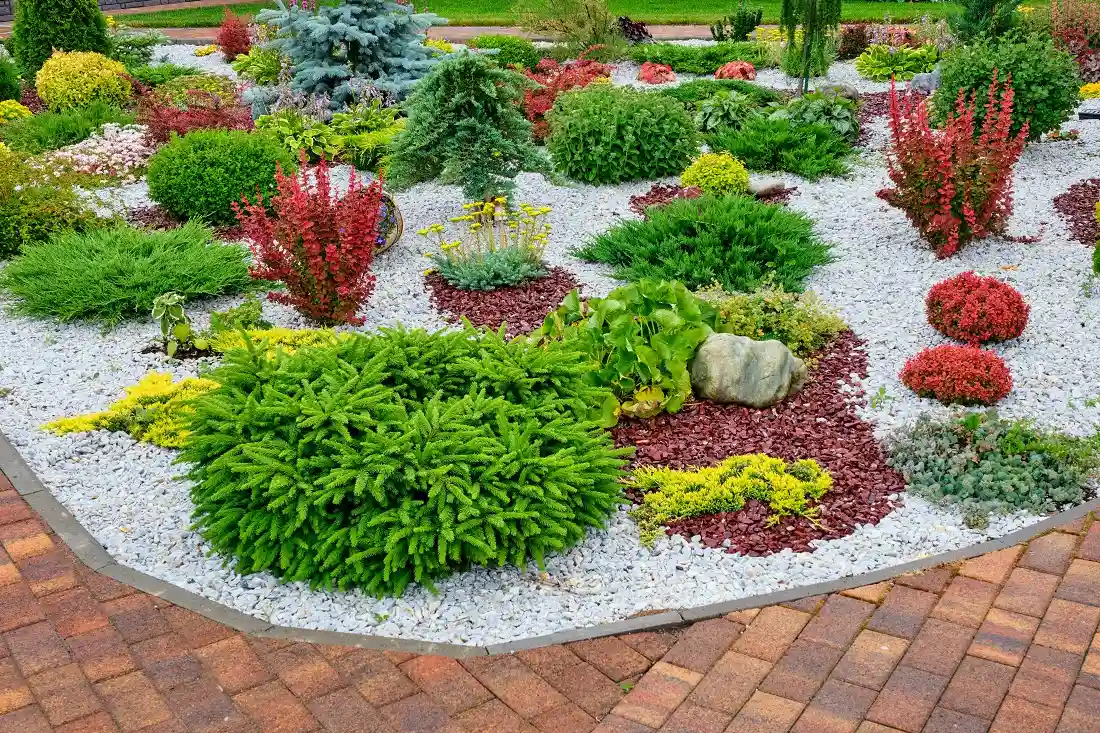
Decorative gravel transforms flower beds into low-maintenance features that reduce yard work. Pea gravel reduces weed growth, supports moisture retention in dry weather, and promotes proper drainage, all while enhancing your garden’s look.
Patio and Fire Pit Areas
Coarse gravel works perfectly as base material under patios and around fire pits where heat resistance matters. The angular stones compact tightly to create stable foundations that prevent settling. Medium gravel serves as an attractive fill between patio pavers, allowing water drainage while preventing weed growth.
Drainage Systems
Clean crushed stone excels in drainage solutions where water management is critical. Larger stones create channels for water movement away from foundations and basements. French drains typically use 3/4 to 1-inch clean gravel that provides drainage and erosion control without clogging.
Decorative Borders
River rock and marble chips create eye-catching borders around garden features and landscape elements. These smooth stones add texture and visual interest. Plus, they require minimal maintenance throughout the seasons.
Match Gravel to Your Project Goals

Construction and landscaping projects vary widely in their requirements, so choosing the right type of gravel depends on how the material will be used. Consider factors like drainage performance, load-bearing capacity, and visual appeal, as they all play an important role in selecting the best option.
For Maximum Drainage
When efficient water movement is the priority, clean stone is one of the most reliable choices. Projects such as drainage systems, walkways in wet areas, or foundation surrounds benefit from clean crushed stone because the angular pieces create open gaps that allow water to flow freely. Larger stone sizes are especially effective for applications like French drains, where it’s critical to prevent water buildup.
For Structural Support
Applications that must support significant weight need materials that compact tightly and remain stable over time. Driveways, parking areas, and surfaces exposed to heavy equipment typically rely on crusher run or similar blends. These materials contain finer particles that bind the stone together, forming a dense, durable surface that can handle repeated loads without shifting.
For Decorative Purposes
In landscaping projects where appearance is the main concern, visual impact often outweighs structural or drainage needs. Decorative options such as marble chips or specialty gravels can be used to highlight pathways, garden beds, or focal areas. Comparing crushed stone vs. gravel helps clarify whether aesthetics, functionality, or a balance of both should guide the final choice.
Perfecting Your Gravel Installation
Proper installation extends gravel life and ensures your project performs as intended. The preparation work before you lay gravel will determine its long-term success.
Key installation considerations:
- Site preparation: Remove vegetation, roots, and debris, then grade the area to direct water safely away from buildings and foundations.
- Soil compaction: Compact the soil base thoroughly using proper equipment to prevent future settling, shifting, or uneven surfaces.
- Weed barrier: Install landscape fabric beneath decorative gravel to suppress weeds while still allowing proper drainage.
- Layer compaction: Compact each gravel layer separately to ensure even distribution, strength, and long-term surface stability.
- Proper edging: Install sturdy borders or edging materials to contain gravel and maintain clean, defined edges over time.
- Adequate depth: Apply 2-4 inches for most applications, and 6-8 inches for base layers requiring additional structural support.
Plan for initial settling. Add more gravel after the first season, then rake regularly and replenish as needed.
Make Your Outdoor Project a Success with Quality Gravel from Stone Center
The gravel you choose plays a key role in creating outdoor spaces that are both functional and visually appealing. In our experience, the best results come from balancing structural requirements, such as durability and drainage, with your overall design goals.
Stone Center proudly serves Columbus and Cincinnati with premium natural stone products, including gravel for driveways, walkways, and landscaping. As experienced Ohio natural stone suppliers, we’re known for providing expert guidance, and there’s nothing more important to us than your satisfaction. Our veteran-owned company brings over 70 years of expertise.
Reach out to us to discuss your gravel needs.
FAQ


.avif)
Jon, the owner of Stone Center, is a knowledgeable expert in natural stone products, specializing in various types of stone for landscaping and architectural projects. Passionate about promoting the beauty and versatility of natural stone, Jon aims to use these blogs to inspire readers with creative ideas to upgrade their homes.
Check Out Our Products You May Like

#57 Limestone Gravel
$64 – $88
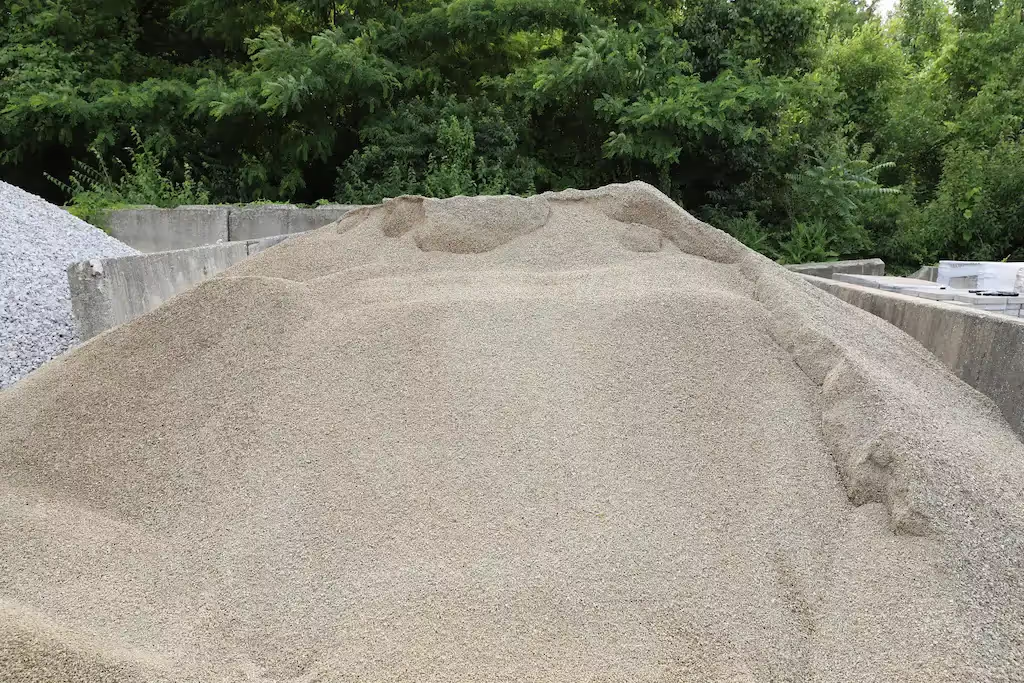
#9 Limestone Gravel
$48 - $72
.avif)
Alabama Sunset Stone Chips
$170 - $275
.avif)
Twilights Mist
$180 - $250
.avif)
Ohio River Wash
$95 - $115
How much does it cost to get a stone restored?
How much you end up spending to restore stone varies on the type of stone, the technique, and the stone’s current condition. Stone in good condition will cost less to restore, whereas stone that has a lot of wear and tear may require a longer restoration.