- Stone Center
- Blog
Natural Stone Exterior for Houses: 11 Stone Types Compared
6/5/2026
5/6/2026
Natural Stone Exterior for Houses: 11 Stone Types Compared
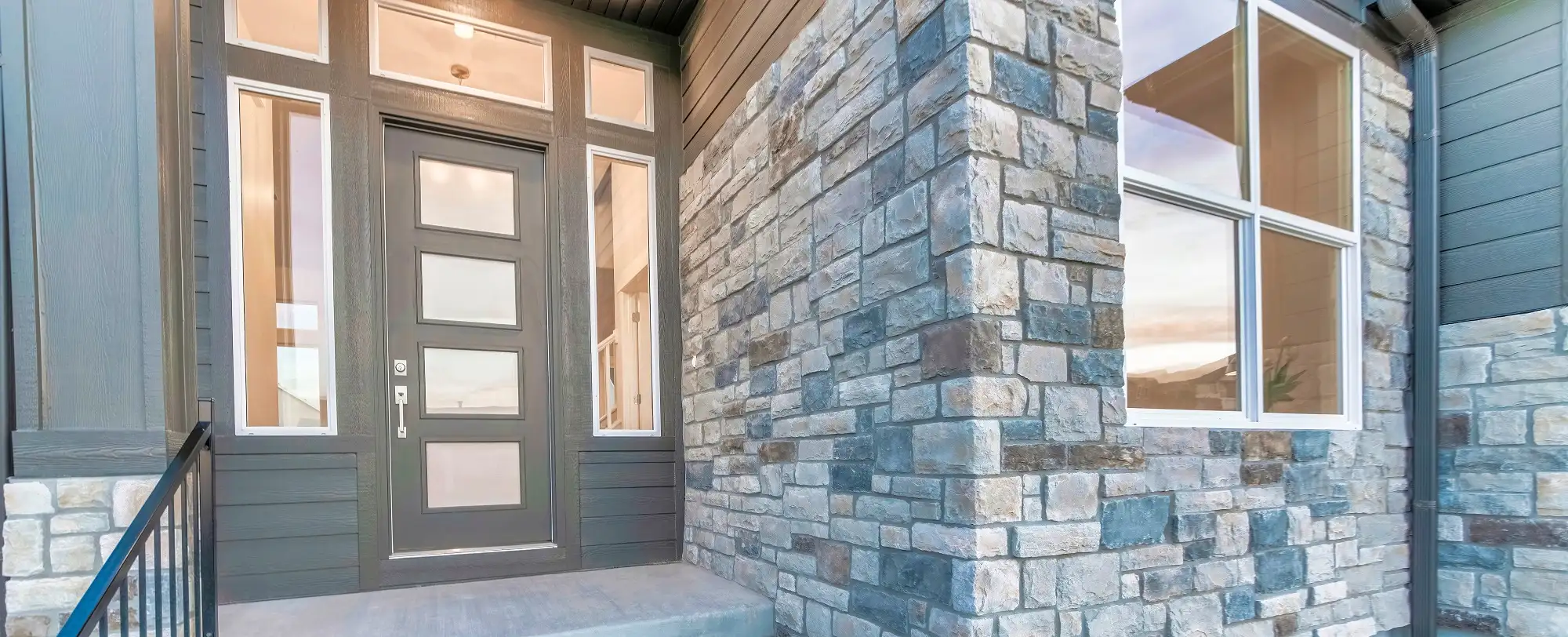
Natural stone continues to be the gold standard for house exteriors, and for good reason. From elegant limestone facades to rustic fieldstone walls, the right types of building stones can transform a home's curb appeal while delivering decades of durability.
At Stone Center, we serve Cincinnati and Columbus homeowners, contractors, and architects with one of the broadest selections of natural building stone in Ohio. In this guide, we walk you through every major option.
Why Choose Natural Stone for Your House Exterior?
Natural stone has been used on building exteriors for thousands of years. This hasn’t happened by accident, but because it genuinely outperforms most alternatives in durability, appearance, and long-term value. Here's why homeowners and architects use it time and time again:
- Authenticity and long-term value: Color and texture run all the way through; no fading, no peeling. Many stone exteriors last 50 to 100+ years with minimal upkeep.
- Design versatility: From smooth-cut limestone on a colonial facade to rough fieldstone on a farmhouse, stone suits virtually every architectural style.
- Climate performance: The right stone handles freeze-thaw cycles, heavy rain, and humid summers without deteriorating. The wrong one doesn't.
- Fire resistance: Natural stone is non-combustible — it won't catch fire or contribute fuel, making it one of the safest exterior cladding choices available.
- Property value: Stone exteriors consistently enhance curb appeal and resale value, offering one of the strongest returns on exterior renovation investments.
For a home that looks better with age rather than despite it, natural stone remains the benchmark.
The Main Types of Natural Stone Siding
When selecting natural stone siding for house exteriors, homeowners can choose from several distinct installation systems. Understanding the difference helps set realistic expectations for cost, weight, and installation complexity.
- Natural Stone Cladding: Large cut stone pieces fixed to exterior walls. Exceptional aesthetics and durability for long-lasting facade designs.
- Solid Stone Siding: Solid stones split into flat surfaces. Low maintenance, suitable for both interior and exterior use, with a natural rustic appeal.
- Natural Stone Veneer Panel Siding: Real stone cut thin — typically ¾" to 1½" thick. Same authenticity as full-bed stone, but lighter, easier, and less expensive to install.
- Engineered Stone Siding: Also known as manufactured stone veneer. Lightweight concrete cast to replicate natural stone at a lower cost.
- Polyurethane Foam Panel Stone Siding: A synthetic, non-stone product combining insulation foam with a stone-look surface. In this budget alternative, insulation is a priority.
Common Types of Natural Stone for House Exteriors
If you're considering adding stone to the house exterior, the stone you choose shapes everything, including the look, the maintenance schedule, the installation method, and how well it holds up through Ohio winters. Below is a quick comparison of the most popular options, followed by a detailed breakdown of each.
#1. Limestone
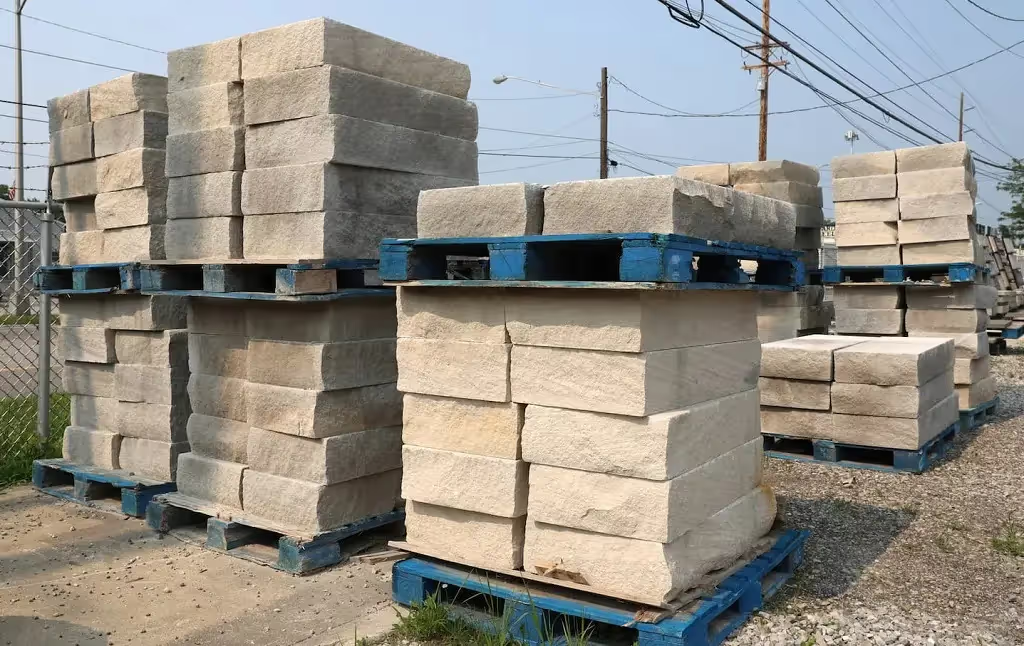
Avg. cost: $25 – $70 per square foot, installed
Limestone is a sedimentary rock that can be used in the exterior siding of homes. Its texture and color variations provide an attractive appearance and durability, making it a popular choice for exterior natural stone for houses. The presence of calcite makes limestone highly resistant to weather conditions, ensuring it's a long-lasting material that requires minimal maintenance over time.
Pros:
- Wide range of colors and textures
- Excellent durability and weather resistance
- Relatively affordable compared to some other stones
Cons:
- Can be susceptible to acid rain in some environments
- May need periodic sealing to maintain appearance
#2. Travertine
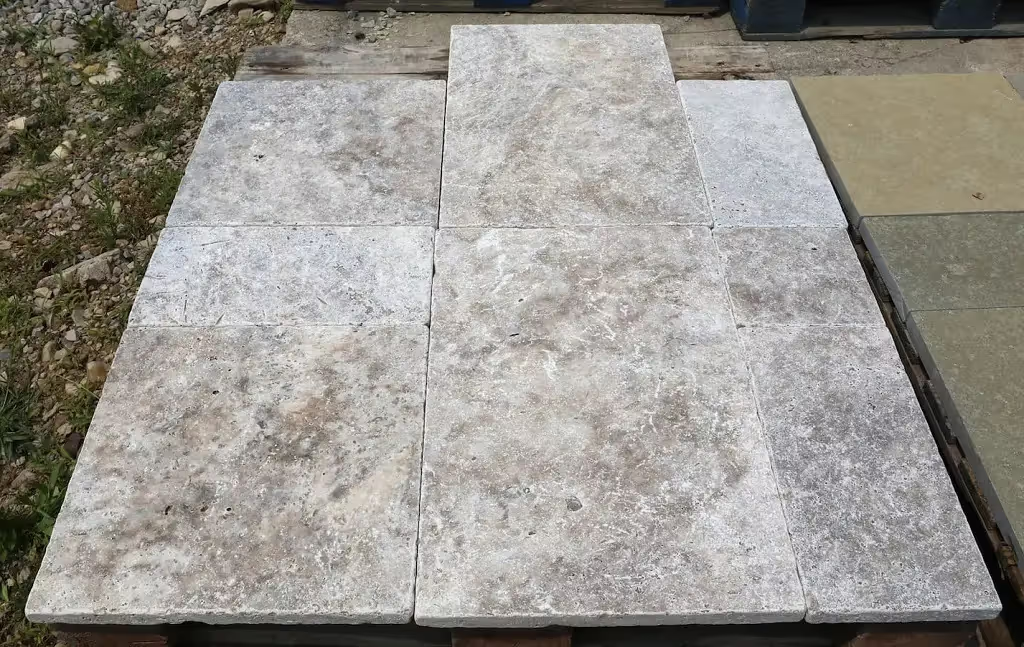
Avg. cost: $17 – $50 per square foot, installed
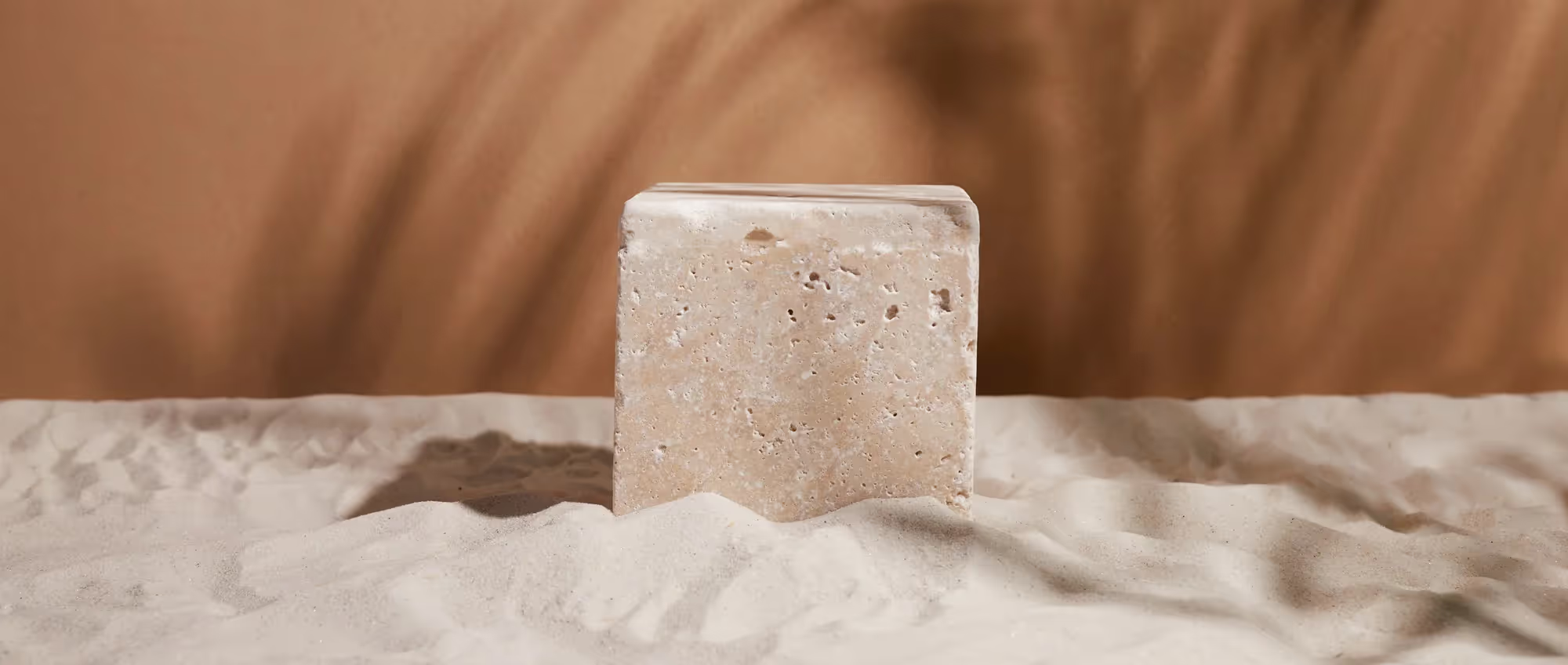
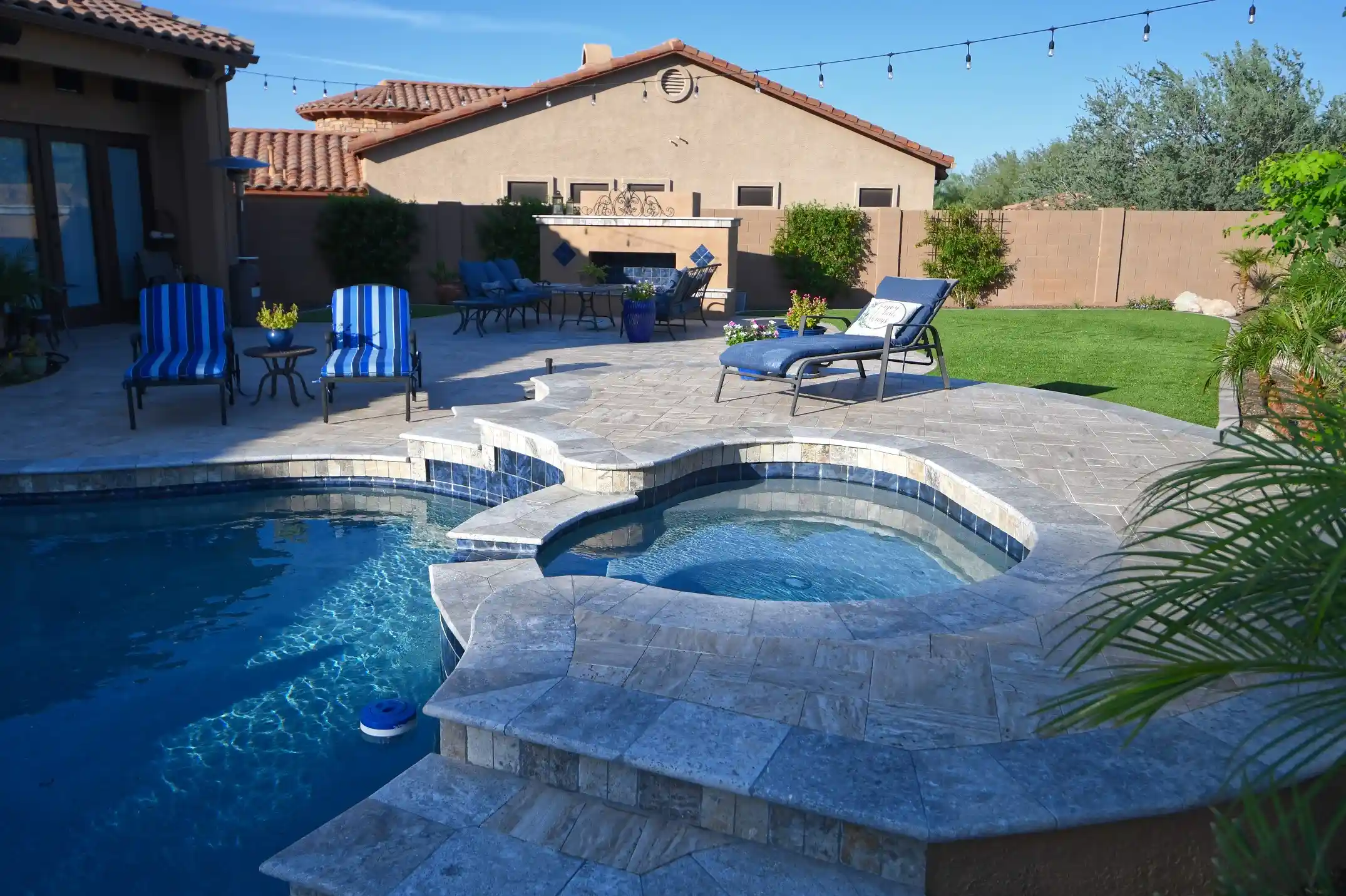
Travertine is a type of sedimentary rock with versatile uses within construction projects. It has excellent technical characteristics such as extremely low water absorption and high resistance to abrasion which make it an ideal option for rock exterior siding. Furthermore, its unique color variations allow homeowners to create stunning visual effects on their home exteriors when using natural stone home exterior panels or tiles.
Pros:
- Unique, natural pitted appearance
- Good heat and cold resistance
- Available in various earthy tones
Cons:
- Porous nature may require more frequent sealing
- Can be more expensive than some other options
#3. Sandstone
Avg. cost: $15 – $35 per square foot, installed
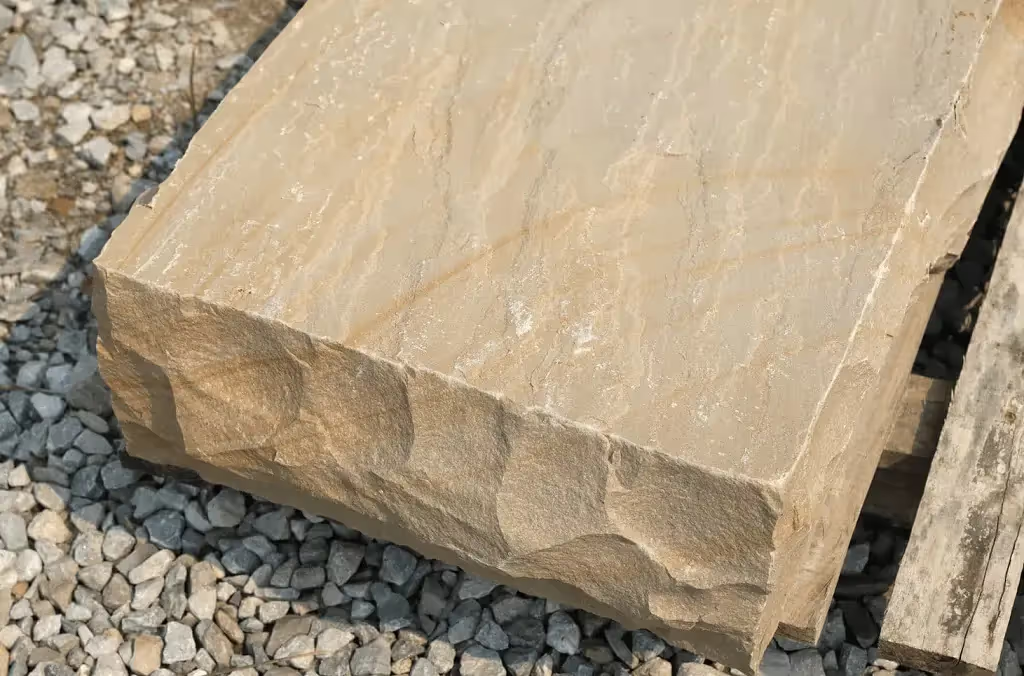
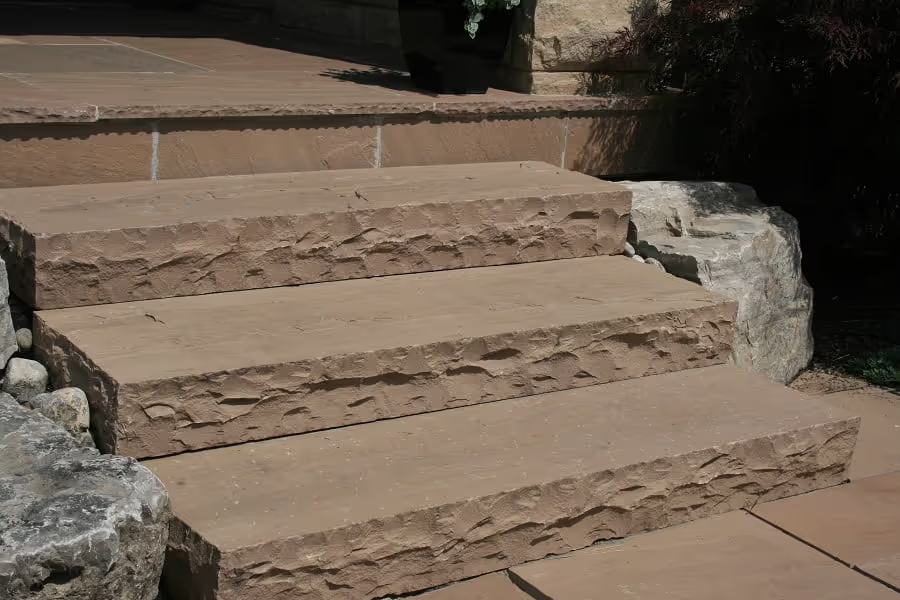
Sandstone is formed from cemented sand grains that come together naturally over time. Its warm tones, including yellows, reds, and honey browns, give homes an organic, inviting quality that suits cottages, ranch-style houses, and transitional builds. Because of its higher porosity, sandstone performs best when properly sealed, particularly during Ohio's wetter seasons.
Pros:
- Wide range of colors and patterns
- Natural, rustic appearance
- Generally affordable
Cons:
- More porous, may absorb water easily
- Can be prone to erosion in harsh weather conditions
#4. Granite

Avg. cost: $65 – $100 per square foot, installed
Granite is one of the most popular types of stone for house exteriors — hard, dense, and virtually immune to freeze-thaw damage, salt air, and prolonged moisture. It works well for full facades and a variety of architectural styles. Honed finishes create a clean, contemporary look, while split-face textures add depth for craftsman-style exteriors.
Pros:
- Extremely durable and long-lasting
- Resistant to scratches and stains
- Low maintenance requirements
Cons:
- Can be one of the more expensive options
- Darker colors may absorb more heat in direct sunlight
#5. Quartzite

Avg. cost: $65 – $140 per square foot, installed
Quartzite is one of the hardest stones used on house exteriors. It’s harder than granite, with a low absorption rate ideal for high-exposure walls. Quartzite stands up well to harsh weather and carries a light, airy quality in creams, silvers, and whites that suits modern and bright exterior designs.
Pros:
- Highly durable and resistant to weathering
- Available in a variety of colors
- Low maintenance requirements
Cons:
- Can be more expensive than some other options
- May be challenging to cut and shape
#6. Marble
Avg. cost: $40 – $190 per square foot, installed
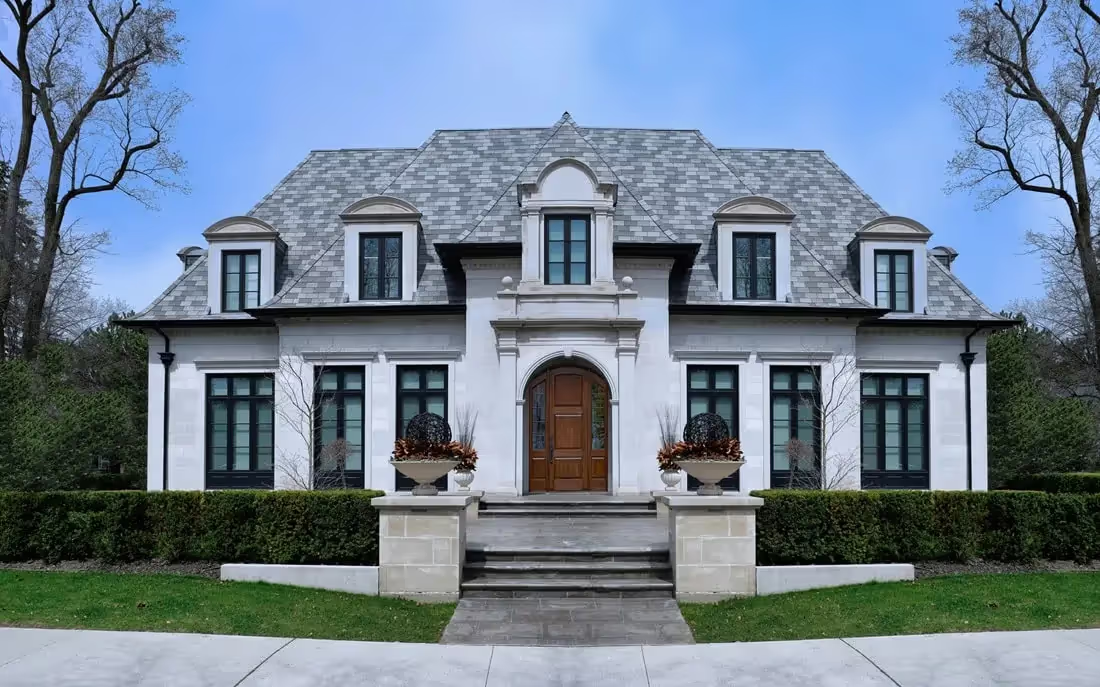
Marble is ideal to use as a premium accent on house exteriors, such as entry surrounds, balcony features, or chimney sections, rather than full-facade cladding. Its distinctive veining and polished or honed finish bring a level of elegance and design prestige that few other stones can match.
Pros:
- Elegant and luxurious appearance
- Wide range of colors and patterns
- Can increase property value
Cons:
- More susceptible to staining and etching
- Requires regular maintenance and sealing
- One of the more expensive options
#7. Slate
Avg. cost: $50 – $100 per square foot, installed
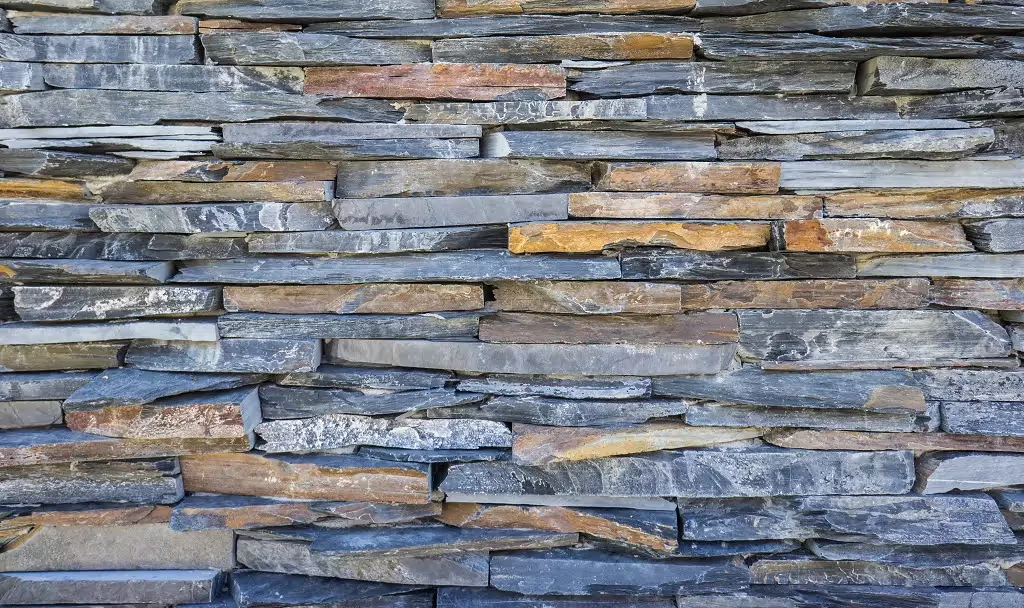
Slate naturally splits into thin layers and features rich tones, such as charcoal, dark green, and near-black, that complement modern, rustic, and mountain-style exteriors. Its low water absorption makes it durable and reliable in wet climates. A strong choice for full facades, accent stone walls, and chimney cladding.
Pros:
- Natural, rustic appearance
- Excellent durability and weather resistance
- Low water absorption rate
Cons:
- Limited color options
- Can be brittle and prone to chipping
#8. Basalt

Avg. cost: $30 – $85 per square foot, installed
Basalt is a dark volcanic rock with a consistent graphite-to-charcoal color palette and fine, even texture. It's one of the go-to choices for minimalist and contemporary home exteriors, pairing naturally with steel window frames, black metal accents, and cedar cladding. Unlike some darker stones, basalt maintains its color consistently over time without the variation or veining that can make other dark stones more difficult to match.
Pros:
- Sleek, consistent modern aesthetic
- Strong durability and weather resistance
- Works well in large-format and panelized systems
Cons:
- Dark surfaces can run hotter in direct sunlight
- Requires careful detailing in freeze-thaw climates to avoid thermal stress
#9. Fieldstone

Avg. cost: $20 – $80 per square foot, installed
Fieldstone refers to stones collected from fields, riverbeds, or natural outcroppings — irregular in shape, rounded at the edges, and varied in color from gray to brown to deep green. No two fieldstone facades look the same, which is part of the allure. It suits farmhouse, country, and craftsman-style homes where organic character is the goal. Mortar color has a significant effect on the finished look: dark mortar sharpens the contrast between stones, while buff mortar creates a softer, earthier result.
Pros:
- Highly distinctive, storybook character
- Naturally hides dirt and weathering
- Excellent curb appeal for rustic and traditional homes
Cons:
- Irregular shapes require more layout time and skilled installation
- Less uniform than cut or split stone products
#10. Cobblestone
.webp)
Avg. cost: $20 – $45 per square foot, installed
Cobblestone has been used on building exteriors for centuries, and its durability is a big reason why. Rounded or gently squared, cobblestones work exceptionally well for base courses, porch piers, wainscoting, and lower facade wraps — areas that take the most physical wear and exposure to ground moisture. The look is substantial and heritage-inspired, conveying a sense of performance that few other materials can match.
Pros:
- Extremely durable — handles ground-level impact and moisture well
- Strong heritage and traditional curb appeal
- Hides scuffs and surface wear effectively
Cons:
- Heavier visual weight — can feel busy on large uninterrupted wall spans
- Requires skilled masonry for best results
#11. Schist

Avg. cost: $35 – $75 per square foot, installed
Schist is a metamorphic rock with a layered, crystalline structure that catches light in a way most exterior stones don't. The mica content creates a subtle sparkle across silver, gray, and graphite tones, giving facades a refined, upscale quality. It contrasts well with smooth plasters and dark metals, making it a popular choice for architects looking for something beyond the standard stone palette.
Pros:
- Unique light play and upscale character
- Strong curb appeal for refined, modern-traditional exteriors
- Layered texture adds depth and visual interest
Cons:
- Layered composition requires quality control and experienced fabrication
- Can carry a premium price
Key Factors to Consider When Choosing Exterior Stone
Picking the right stone for your house exterior comes down to four practical considerations. When you get these right, the rest of the decision falls into place.
- Cost: Natural stone is more expensive up front than wood or vinyl, but its lifespan makes it a stronger long-term investment. Stone Center's broad selection covers a wide price range.
- Durability: Dense stones like granite and quartzite are virtually maintenance-free. Softer options like sandstone and travertine perform well but need periodic sealing.
- Ohio's climate: Columbus and Cincinnati see significant freeze-thaw cycling every winter. Low-porosity stones like granite, slate, and cobblestone handle it best without intervention.
- Architectural style: Fieldstone is ideal for farmhouses; basalt suits modern builds; limestone works across traditional and contemporary styles alike. Match the stone character to the home.
Getting these four factors right before selecting a specific stone can mean the difference between an exterior that performs beautifully for decades and one that requires constant attention.
Find the Right Stone for Your Exterior at Stone Center
Stone Center in Cincinnati and Columbus offers a wide selection of beautifully quarried stone from around the world, perfect for any project, from classic stone cladding to modern designs.
Our expert team can help you choose the right stone and ensure your project looks its best. Contact us to learn more about how we can bring your vision to life.
FAQ


.avif)
Jon, the owner of Stone Center, is a knowledgeable expert in natural stone products, specializing in various types of stone for landscaping and architectural projects. Passionate about promoting the beauty and versatility of natural stone, Jon aims to use these blogs to inspire readers with creative ideas to upgrade their homes.
Check Out Our Products You May Like
Brown
.avif)
Buff Sandstone Rockface
$200 - $270 (each)
.avif)
Buff Split Veneer
$400 - $600
.avif)
Indiana Splitface
$450 - $600 (per ton)
.avif)
SC Gray Veneer
$300 - $500
%20(1)%20(1).avif)
Classic Travertine
$10-$13 (square feet)
.avif)
Walnut Travertine
$9-$12 (square feet)
How much does it cost to get a stone restored?
How much you end up spending to restore stone varies on the type of stone, the technique, and the stone’s current condition. Stone in good condition will cost less to restore, whereas stone that has a lot of wear and tear may require a longer restoration.