- Stone Center
- Blog
Winter Landscaping Ideas: 15 Ways to Keep Your Yard Stunning
11/12/2025
12/11/2025
Winter Landscaping Ideas: 15 Ways to Keep Your Yard Stunning
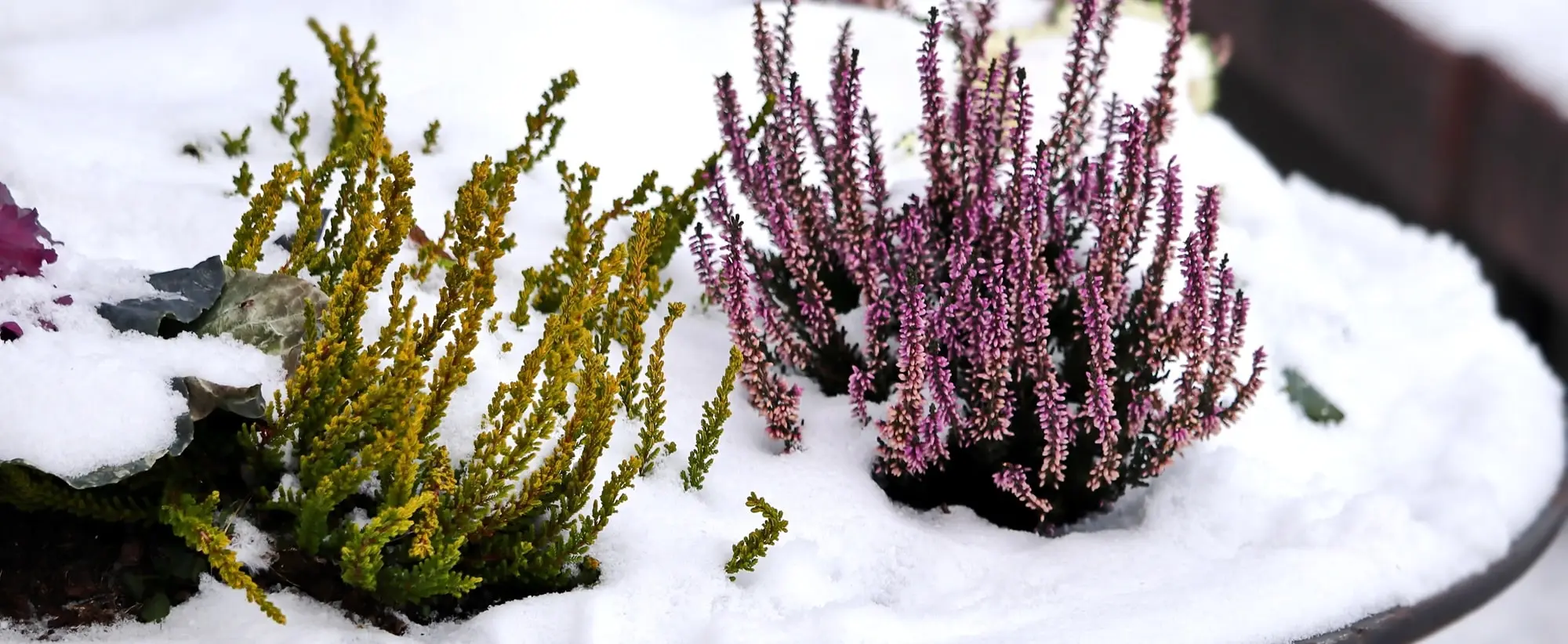
Winter doesn't mean your landscape has to fade into dull browns and grays. Colder months offer unique opportunities to showcase your yard's structure and create visual interest when most plants go dormant.
With the right natural landscaping stones and strategic plant choices, you can design a winter landscape that stands out throughout the season, transforming your outdoor space into a dynamic focal point that transforms even when harsh weather arrives and freezing temperatures set in.
Winter Landscaping Ideas to Transform Your Yard
Cold weather is a chance to reimagine your outdoor space with elements that shine when other gardens fade. We’ve provided these winter landscaping ideas that blend evergreens, ornamental grasses, lighting, and permanent hardscapes to create year-round beauty that stands up to temperature drops and harsh weather.
1. Plant Evergreens as Your Winter Garden Foundation
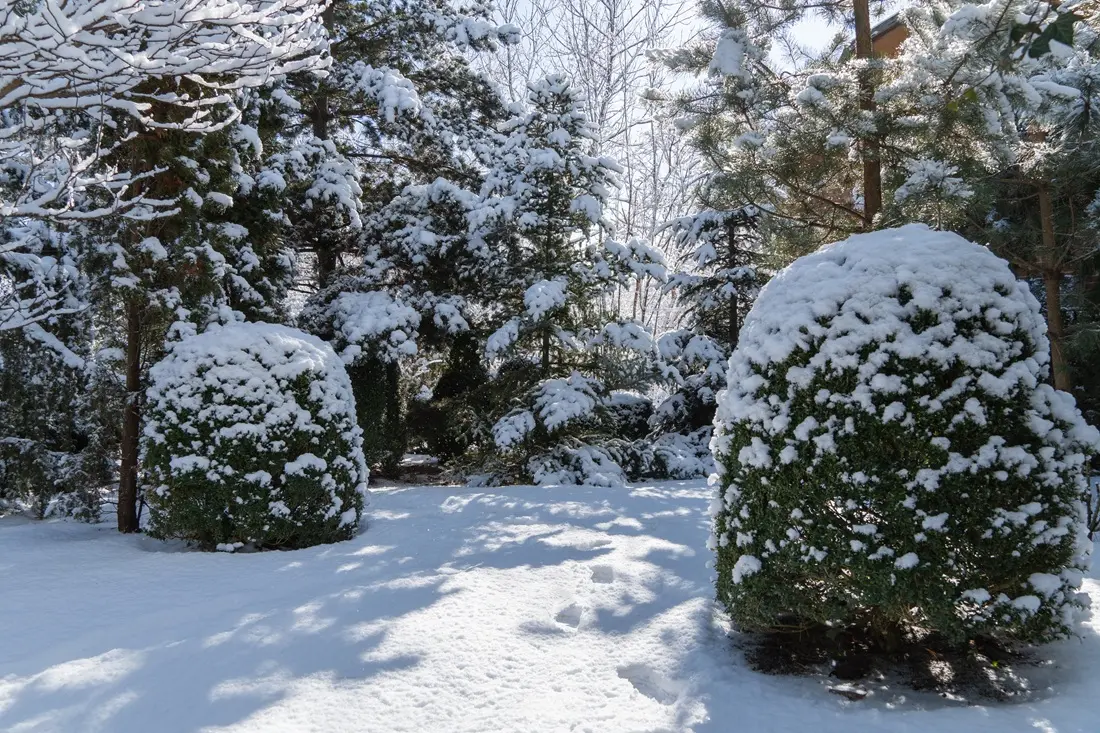
Evergreens form the backbone of winter landscaping, keeping their foliage when deciduous plants drop their leaves. Spruce, pine, and creeping juniper add varied textures and heights, while boxwoods and yews offer clean, structured shapes that stand out against snow.
Pro tip: Include one or two evergreens in every garden bed to maintain year-round structure, and build borders around them for seamless seasonal transitions.
2. Add Trees and Shrubs with Colorful Bark

Red twig dogwood stands out dramatically against white snow with its brilliant crimson stems that deepen in color as the temperature drops, creating bold visual contrast across the winter landscape. Paperbark maple offers cinnamon-colored bark that peels in thin sheets, while river birch displays salmon-pink bark that is eye-catching even on the grayest winter days.
3. Design with Berry-Producing Plants

Winterberry holly produces stunning red berries on bare branches that persist through the winter, creating striking focal points that attract birds and add natural color to your yard. Plant berry producers like beautyberry with its purple fruit clusters, cotoneaster with bright red berries, or holly varieties near windows where you can watch wildlife activity from the comfort of your home.
Important: Choose berry plants appropriate for your hardiness zone to ensure they survive harsh weather and continue producing fruit year after year.
4. Create a Natural Stone Fire Pit for Winter Gatherings

A natural stone fire pit becomes a gathering spot for cold evenings, where families can enjoy s'mores and hot cocoa while the stone retains heat and provides a rustic aesthetic appeal that complements winter settings. Surround your fire pit with limestone seating walls or arrange comfortable outdoor furniture nearby to create functional outdoor spaces that extend your living area even during the colder months.
5. Install Strategic Outdoor Lighting
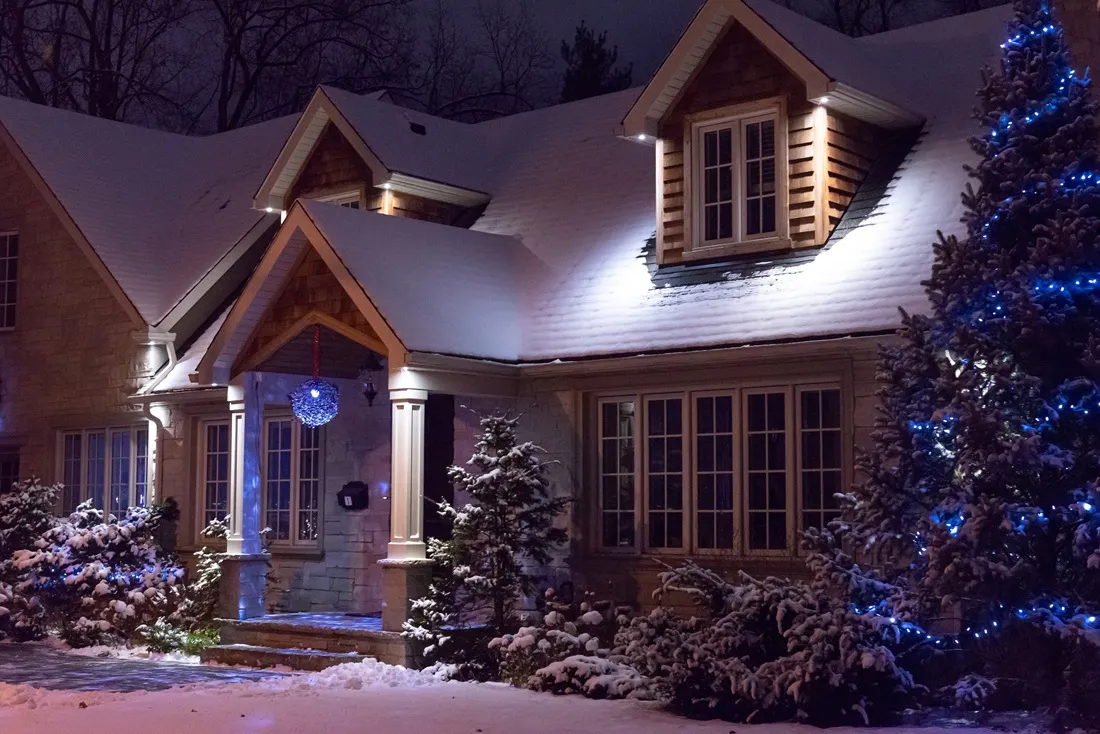
Outdoor lighting extends your winter landscape’s visual appeal beyond daylight hours, with string lights wrapped around tree branches creating warm glows that transform evening atmospheres, while LED lights offer energy-efficient options that withstand freezing temperatures.
Uplighting evergreens highlights their structure and casts dramatic shadows, while path lights along stone walkways provide both safety and ambiance that make your yard welcoming after dark.
6. Build Permanent Hardscape Features

If you’re looking for a no-maintenance solution you can enjoy year-round, this is it. Stone benches, garden sculptures, and architectural elements like arbors remain beautiful throughout winter while requiring no maintenance, their structural lines showing clearly against winter skies and snow-covered grounds. Popular hardscape elements for winter interest include:
- Natural stone patios and outdoor living areas
- Flagstone or bluestone walkways and stepping stone paths
- Retaining walls that define spaces and create terraced beds
- Stone benches and seating areas for year-round functionality
- Garden arbors and pergolas that frame views
- Decorative stone columns or pillars as architectural accents
Pro Tip: Install hardscaping features in the fall before the ground freezes so you’ll be able to enjoy them throughout your first winter. This gives the installation time to settle before spring growth begins.
7. Build Stone Steps for Winter Accessibility
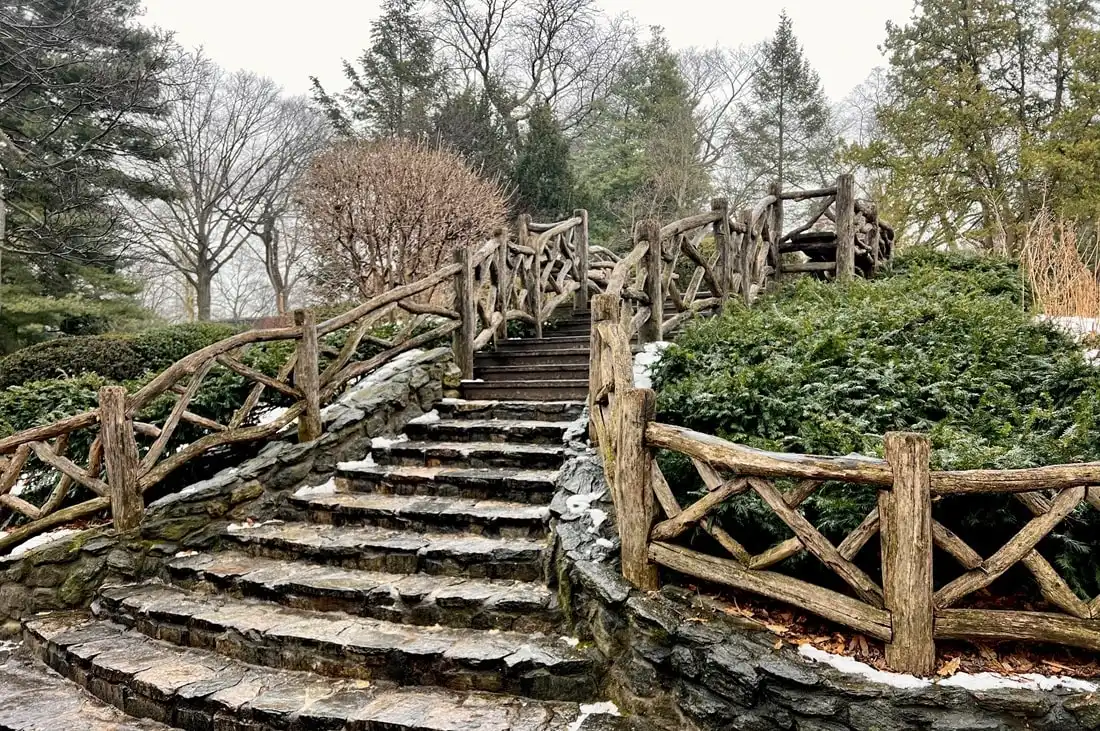
Stone steps make it easy to safely navigate through your winter landscape, while adding architectural interest that stands out when snow highlights their edges and surfaces. Natural stone steps with thermal or textured finishes offer excellent traction in icy conditions, making them both practical and visually appealing choices for front yard entrances, terraced gardens, or hillside pathways that see regular foot traffic during winter months.
8. Add Water Features for Year-Round Interest
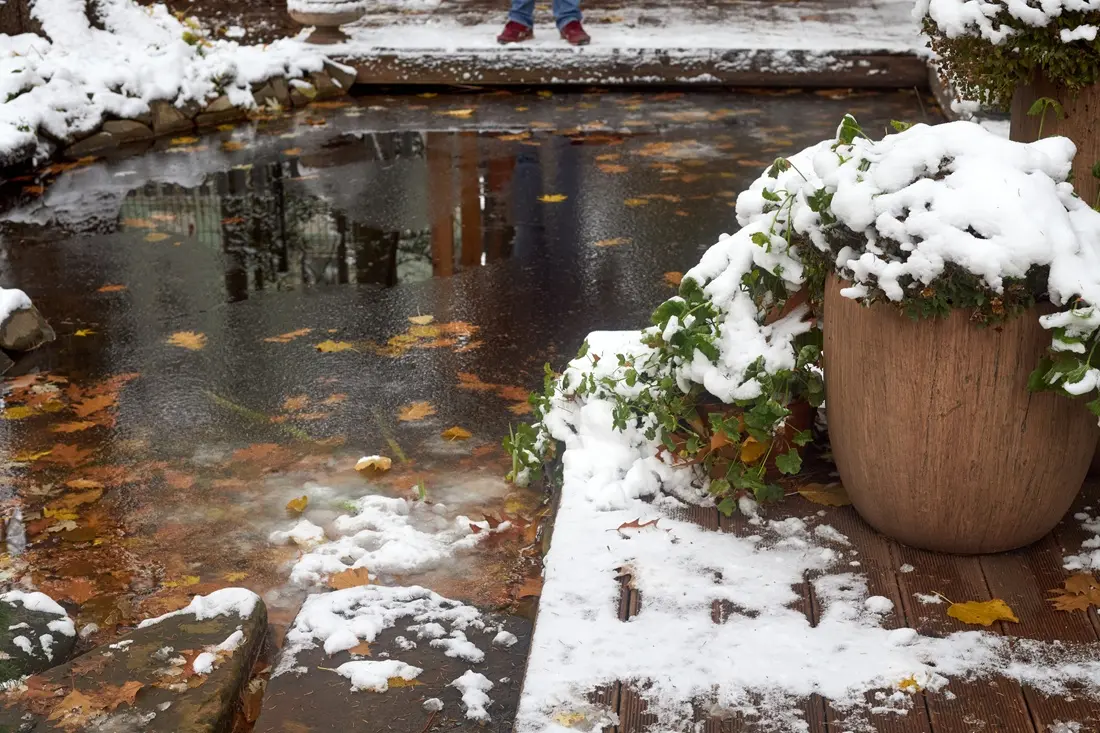
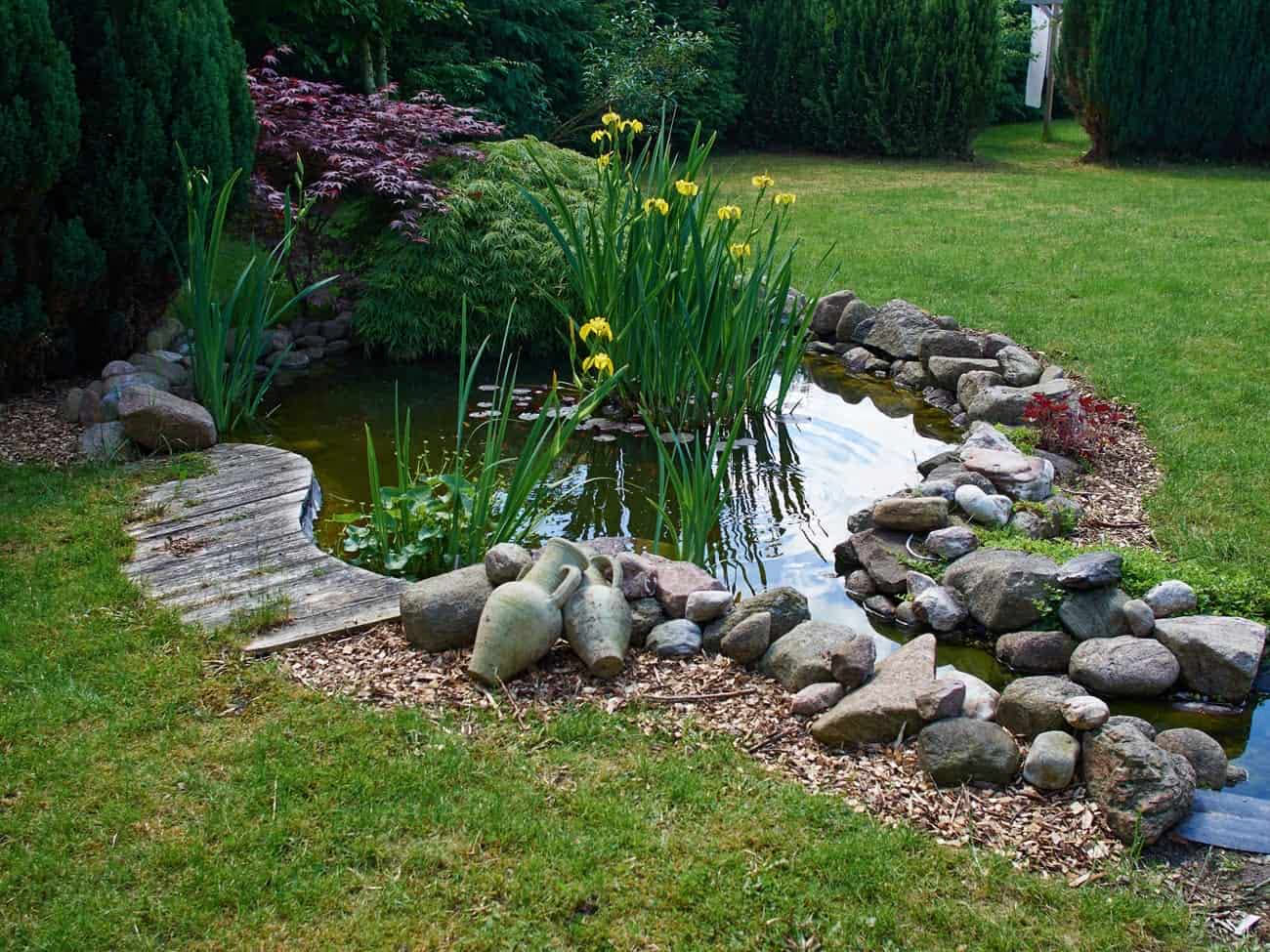
Water features contribute visual and auditory elements to winter gardens, with some homeowners keeping small fountains running to create ice formations that become temporary sculptures, while others winterize features and fill basins with evergreen boughs and pine cones. Garden ponds reflect winter skies and surrounding evergreens beautifully, and even when dormant, their stone construction and strategic placement add permanent structure that enhances your yard.
9. Create Stone Pathways Through Winter Gardens
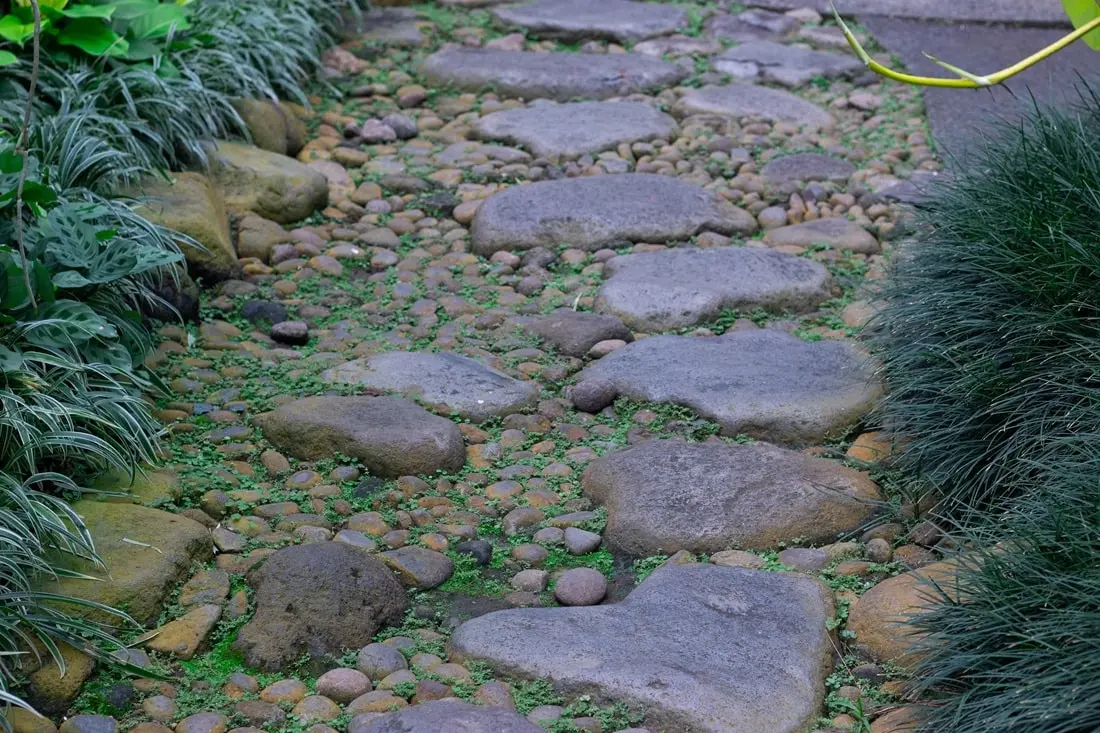
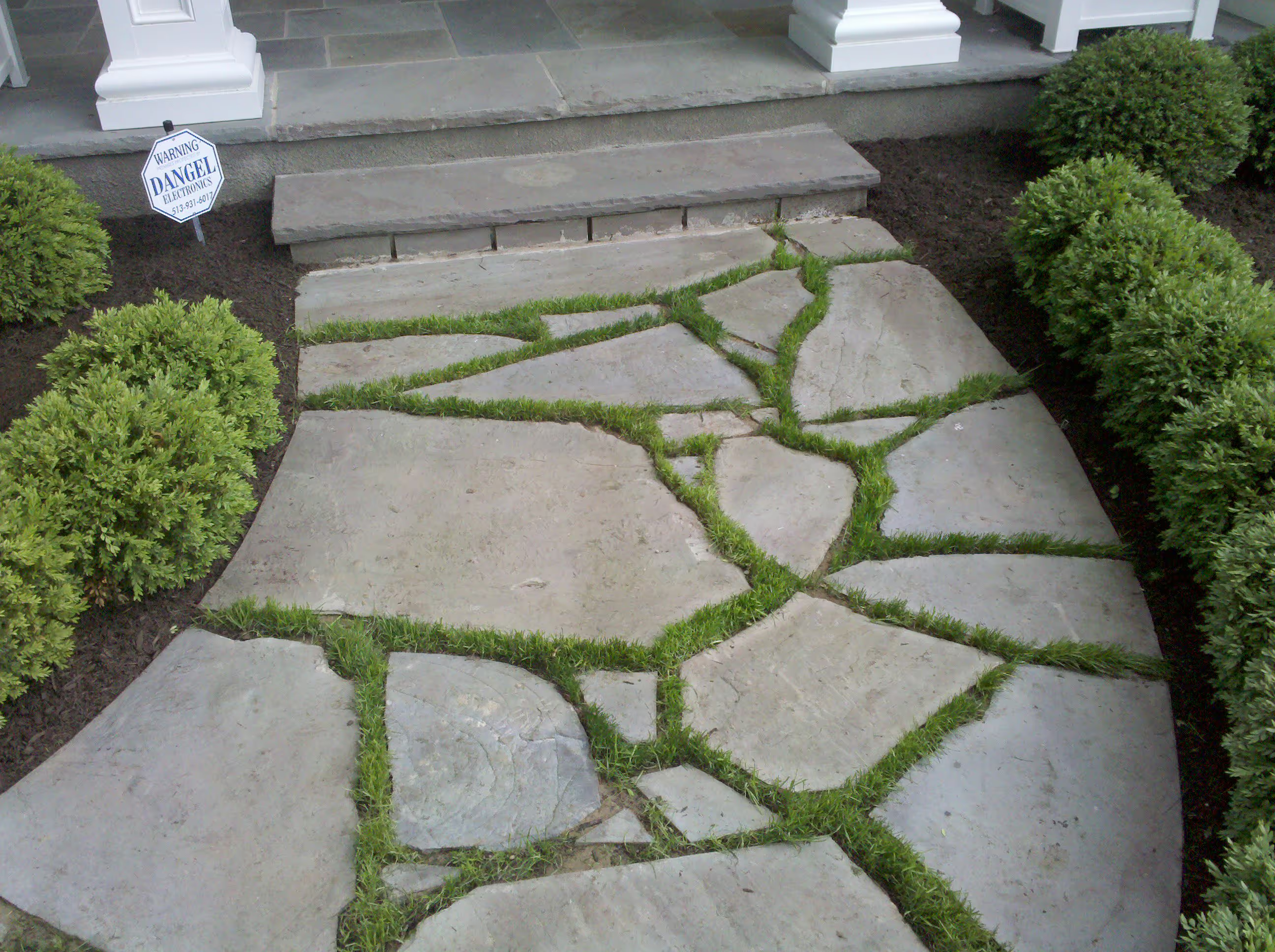
Stone paving creates defined routes through your winter landscape that remain accessible even under light snow coverage, while adding visual structure that guides the eye through garden spaces. Limestone or bluestone pathways offer slip-resistant surfaces that perform safely in freezing temperatures, their neutral tones complementing white snow and evergreen plantings. Plus, their thermal mass helps melt light ice accumulation faster than other paving materials.
10. Apply Fresh Mulch for Color and Root Protection
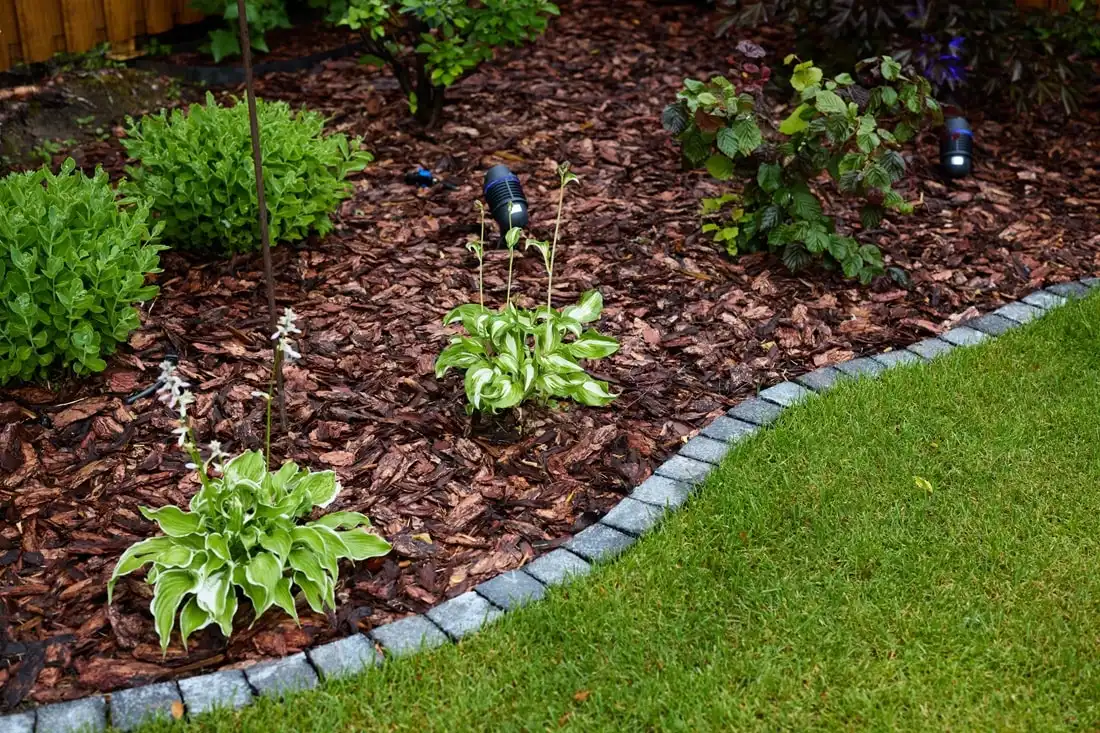
Applying fresh mulch protects your plant’s roots while adding visual warmth to winter beds, with natural wood mulch developing rich brown tones that contrast nicely with snow and shredded bark mulch providing texture that catches light. A proper mulch layer of 2-3 inches insulates soil against temperature fluctuations and retains moisture during dry winter spells, helping plants survive freezing temperatures while preventing frost heaving that can damage root systems.
11. Install Stone Borders and Edging
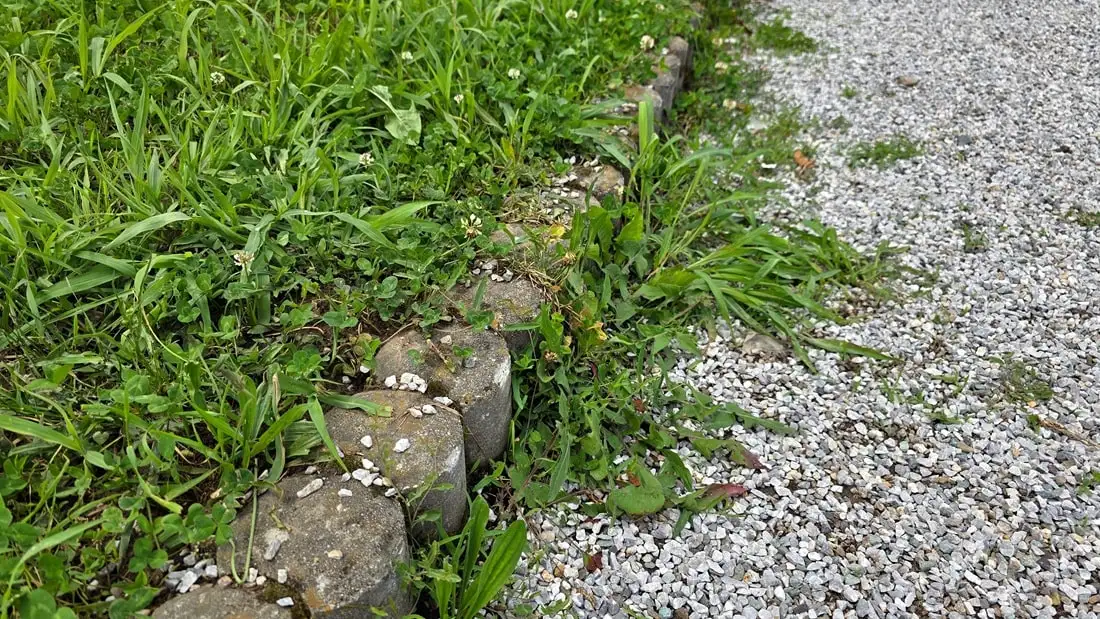
Stone garden borders define bed edges that are still visible under snow, while separating lawn areas from planting beds and adding permanent structure to your design that enhances your landscape. These borders help with moisture retention and prevent mulch from washing into grass areas, while the stone's thermal mass moderates soil temperature fluctuations, protecting plant roots during freeze-thaw cycles that can damage gardens.
12. Create Focal Points with Landscape Boulders
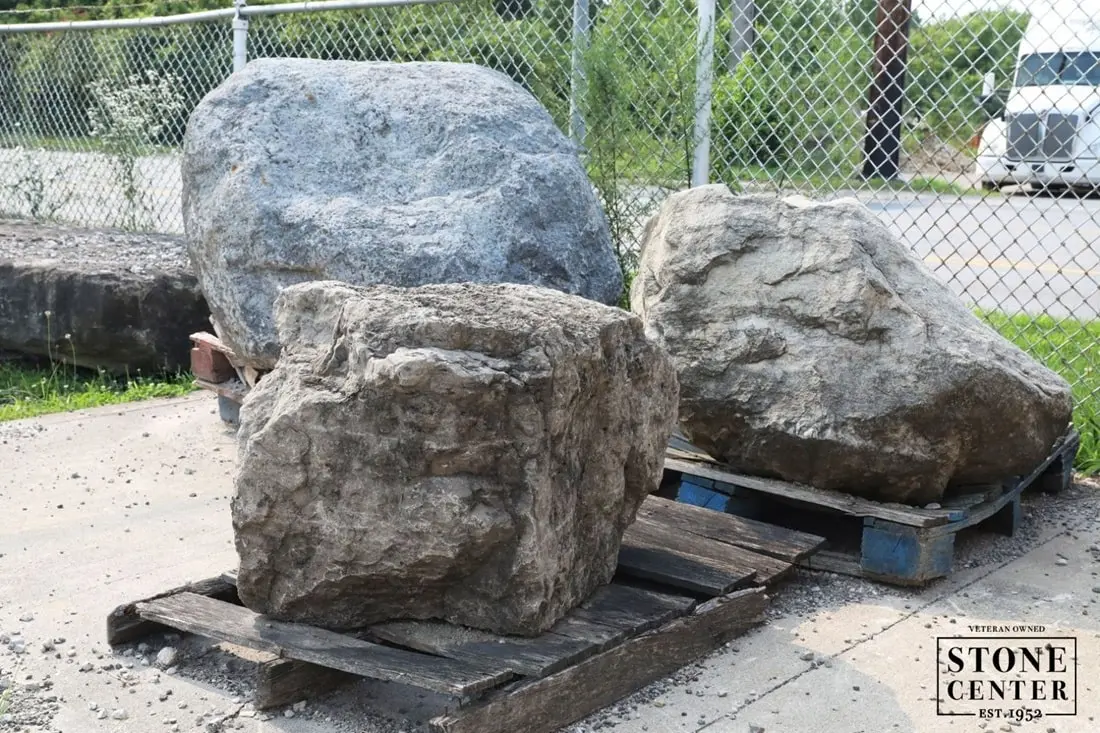
When you place landscape boulders strategically throughout your yard, you create natural focal points and provide permanent structure visible in any season. Their size and texture add visual weight that anchors planting beds. Group boulders in odd numbers for a more natural look, and position them where they’ll be easy to appreciate from indoor areas during the winter months.
Important: Choose boulder sizes and colors that complement your home's architecture and existing hardscaping to create a cohesive look that ties your entire landscape together across seasons.
13. Enhance Foundation Plantings with Evergreen Variety
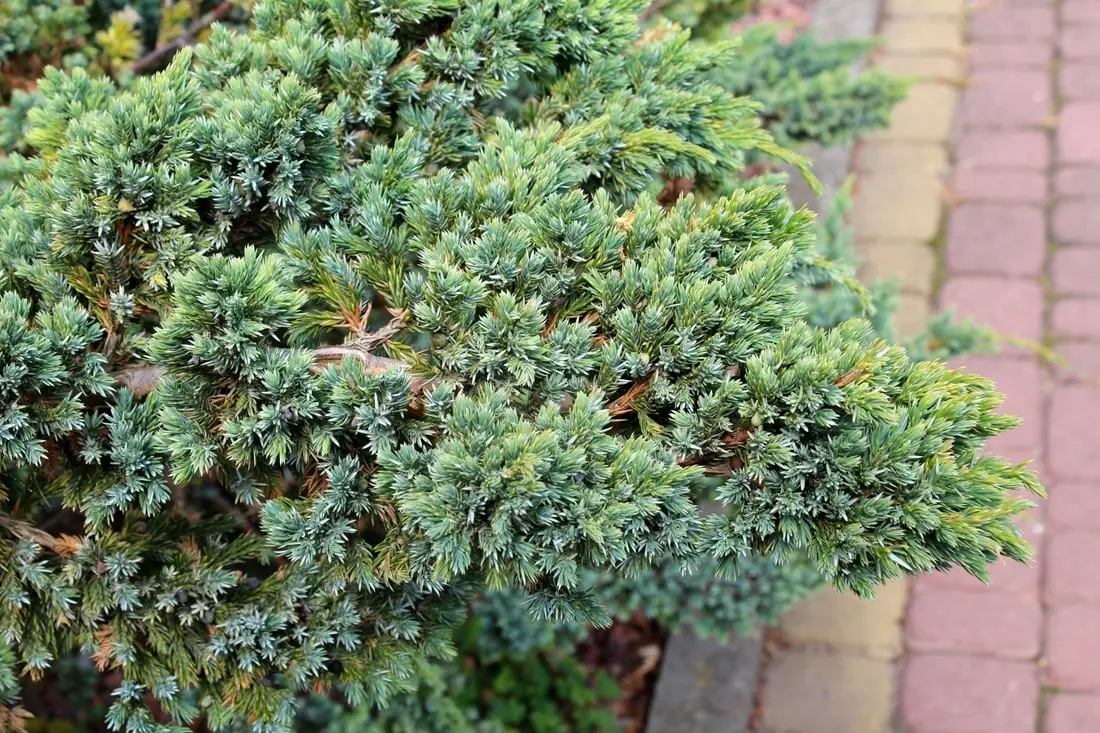
Foundation plantings frame your home year-round with evergreens like boxwood, holly, and juniper that hold their shape and color through winter. Mixing heights and textures adds interest and complements stone or brick facades. Pair rounded boxwoods with upright junipers and spreading cotoneaster to soften the transition from house to yard and provide a consistent green base for seasonal plantings.
14. Incorporate Ornamental Grasses for Texture and Movement
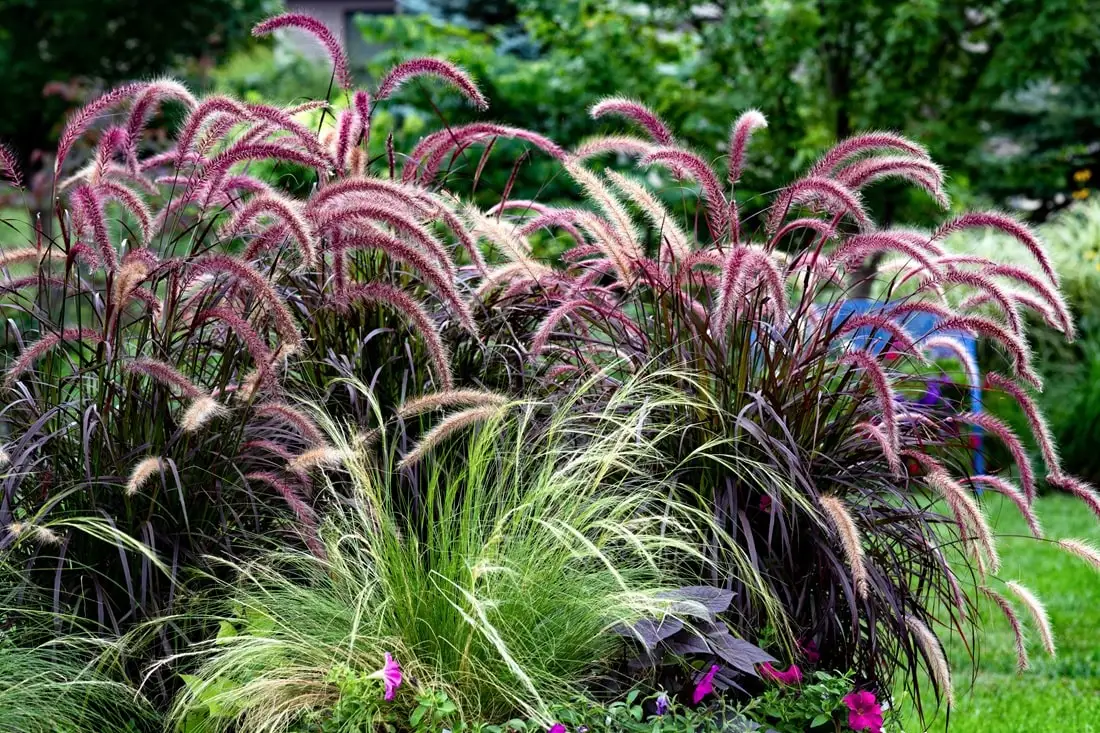
Leave seed heads on grasses like fountain grass, switchgrass, and Chinese silver grass instead of cutting them back in the fall. Their dried plumes sway in winter breezes, develop warm bronze tones, and catch the light beautifully throughout the day. As a bonus, these grasses also support wildlife, and their frost-covered seed heads become sculptural focal points that add movement to otherwise still winter gardens.
15. Design Winter Container Arrangements
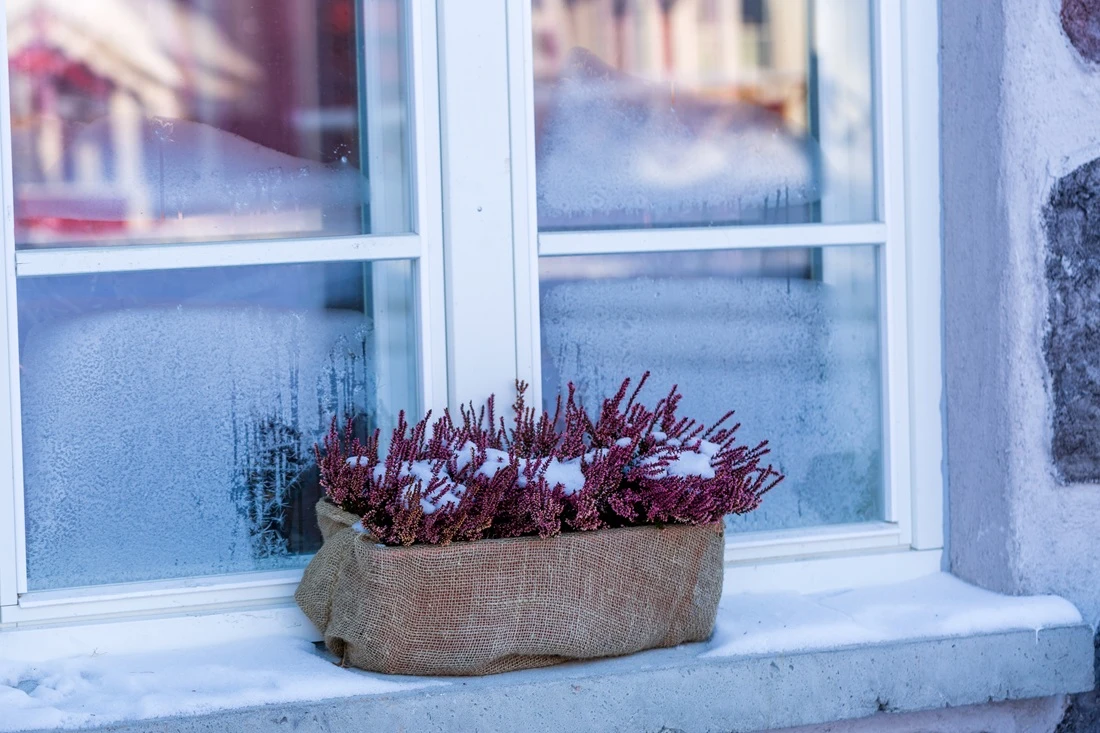
Window boxes and patio containers add winter color when they’re filled with evergreen boughs, dried flowers, pine cones, and berry sprigs. Cold-hardy plants like ornamental kale, winter pansies, and dwarf evergreens can last through much of the season, especially when pots are made from frost-proof materials or moved under roof overhangs during extreme cold.
Practical Tips for Winter Landscaping Success
The winter demands landscapes that remain attractive and durable through cold, snow, and dormancy. With smart design, light upkeep, and thoughtful plant choices, you can maintain a yard that looks clean and intentional all season long.
Understanding Key Design Principles for Winter Gardens
The rule of three suggests grouping plants or features in odd numbers creates more natural, appealing arrangements that the human eye processes more easily, making your winter garden more visually cohesive. You can apply this principle in various ways; plant three ornamental grasses together or position three boulders as a focal point, using three different evergreen textures like spiky juniper, rounded boxwood, and pyramidal arborvitae to create visual variety.
Many landscape designers follow the 70/30 rule for plant selection, dedicating 70% of gardens to structural evergreen plants while using the remaining 30% for accent plants with colorful bark, berries, or winter blooms. This ratio ensures your winter landscape maintains solid structure while incorporating seasonal interest, with the majority of evergreen coverage providing consistency and the accent plantings delivering focal points that are visually appealing but not overwhelming.
Our Best Winter Landscape Maintenance Tips Throughout the Season
Even dormant gardens need attention during winter months to protect your investment and ensure plants emerge healthy when spring returns:
- Remove heavy snow from evergreen branches to prevent breakage and gently brush away ice accumulation when safe.
- Continue watering evergreens during dry periods when the ground isn't frozen, since these plants lose moisture even in cold weather.
- Watch for salt damage along driveways where de-icing chemicals harm plants and create barriers with stone edging to direct runoff.
- Inspect hardscaping like retaining walls and patios for frost heave or settling.
- Check outdoor lighting systems function properly and replace burned-out bulbs for safety and visual appeal.
Planning for Seamless Seasonal Transitions
Your winter landscape should connect effortlessly with other seasons through careful plant selection that offers multi-season interest, with many spring-blooming shrubs developing attractive branch structure in winter that justifies their space even when not in flower.
New plants often establish better when they’re planted in the fall before winter arrives, as it gives their roots a chance to develop during dormancy and positions them for strong spring growth. You’ll still be able to envision how additions appear against snow and winter skies.
Create Year-Round Beauty with Expert Natural Stone Solutions
Winter landscaping transforms outdoor spaces into season-long showpieces through strategic combinations of evergreen plants, ornamental grasses, and permanent hardscaping features. While this process can be overwhelming, it doesn’t have to be, with the right team assisting you.
Stone Center has served Ohio homeowners and contractors for over 70 years from our Columbus and Cincinnati locations, providing quality limestone, bluestone, flagstone, and boulders for landscaping projects across all seasons. Ready to transform your winter landscape? Contact our team today to explore options that enhance your property's appeal year-round.
FAQ


.avif)
Jon, the owner of Stone Center, is a knowledgeable expert in natural stone products, specializing in various types of stone for landscaping and architectural projects. Passionate about promoting the beauty and versatility of natural stone, Jon aims to use these blogs to inspire readers with creative ideas to upgrade their homes.

Check Out Our Products You May Like
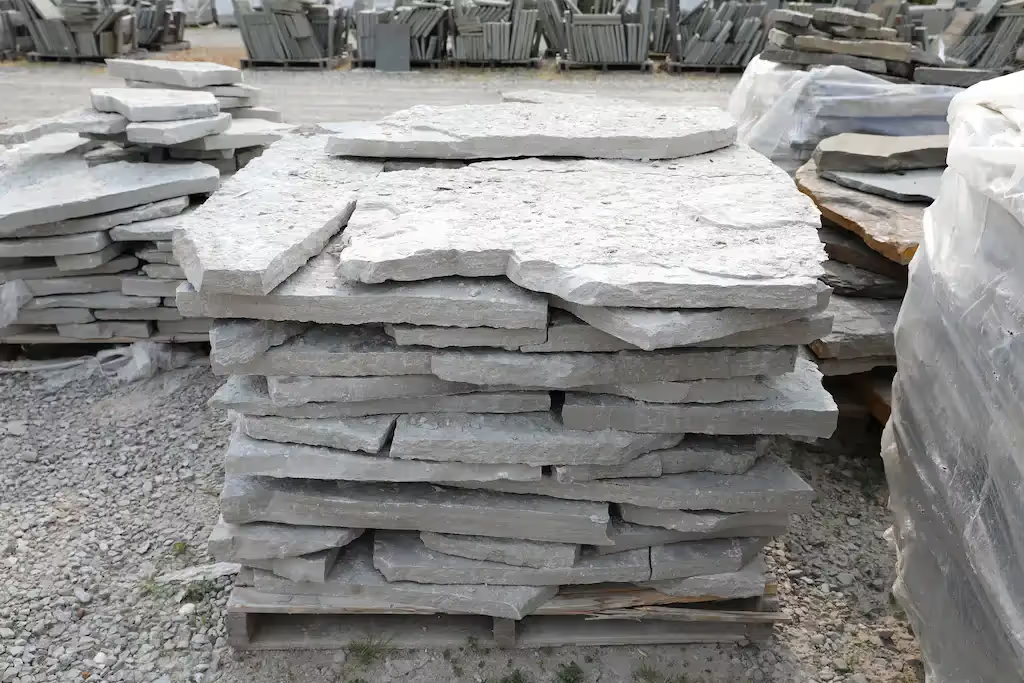
Fond Du Lac Steppers
.avif)
Granite Boulders
$215 - $300 each
.avif)
Indiana Splitface
$450 - $600 (per ton)
.avif)
Twilights Mist
$180 - $250
.avif)
Buff, Blue, Blue Vein 8"
$450 - $575
.avif)
Ocean Gray
$10 - $16 (square feet)
.avif)
Rustic Buff Beige Outcropping
How much does it cost to get a stone restored?
How much you end up spending to restore stone varies on the type of stone, the technique, and the stone’s current condition. Stone in good condition will cost less to restore, whereas stone that has a lot of wear and tear may require a longer restoration.